 Bitcoin News
The evolution of Bitcoin Beach and Salvadoran adoption

The Agua Fria origins
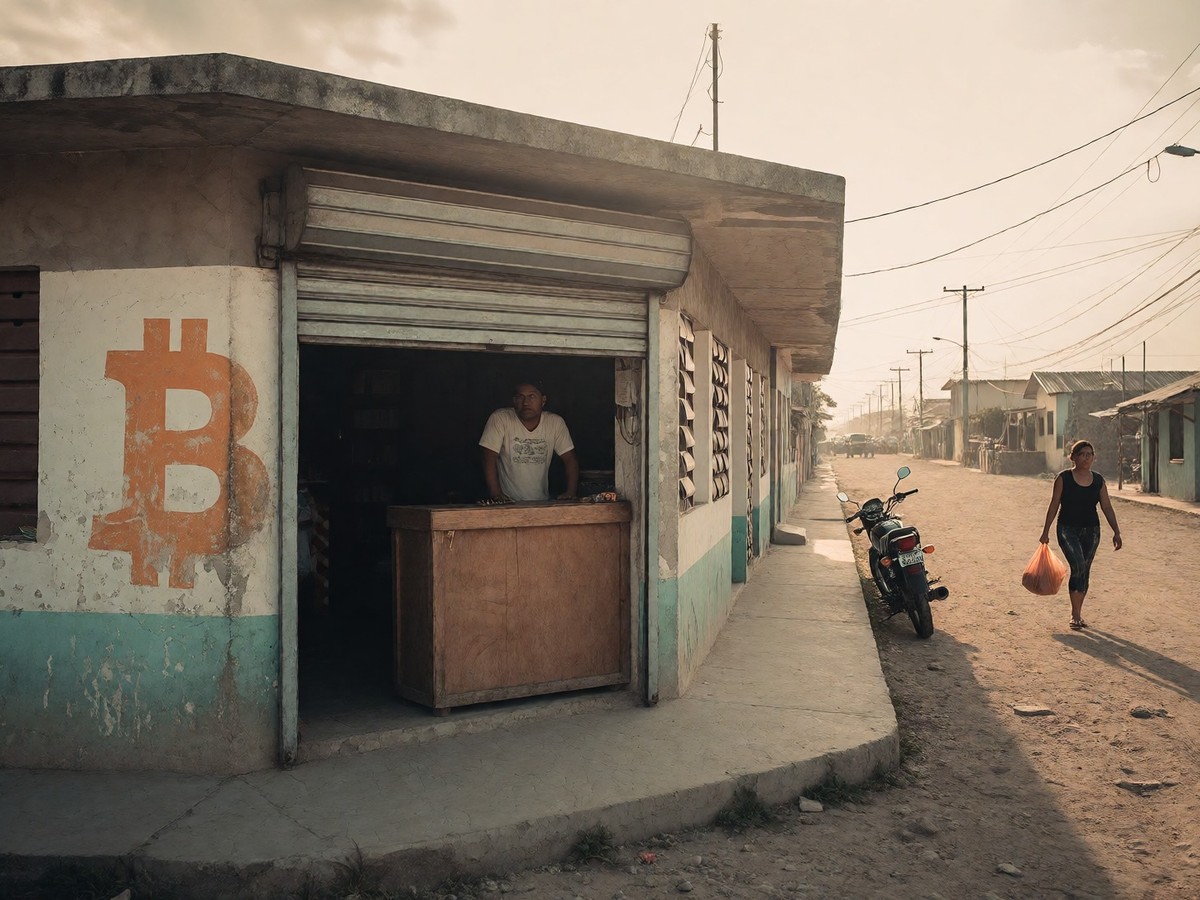
In 2019, an anonymous donor provided $100,000 in Bitcoin to the village of Agua Fria. Mike Peterson and local community leaders like Jorge Valenzuela used this capital to start a Bitcoin economy. The group targeted the unbanked population to bypass the high fees of traditional remittance services. Villagers earned Bitcoin for community tasks like cleaning rivers, repairing roads, or working as lifeguards. This project in El Zonte predated the national policy by several years. During the 2020 pandemic, the project provided $30 of Bitcoin per month to households to help with living costs. This helped local businesses because residents had a way to spend money when tourism slowed. The residents also used Bitcoin to pay for water and electricity bills. Mike Peterson moved to El Zonte in 2013 and saw the potential for Bitcoin to provide local business capital. The team worked with local business owners to teach them how to accept Bitcoin. They also distributed Bitcoin to families with children attending the local school to encourage education. The team worked with Roman "Chimbera" Martinez and Hirvin Palma to implement these community-based programs.
National adoption and the Chivo period
El Salvador became the first country to adopt Bitcoin as legal tender in September 2021. President Nayib Bukele announced the plan at the Bitcoin 2021 conference in Miami. The government launched the Chivo Wallet and installed 200 Bitcoin ATMs. To encourage adoption, the government gave users a $30 Bitcoin bonus. You already know that the Chivo Wallet faced technical issues and user confusion. A study by the Central American University public opinion institute found that only 8.1% of Salvadorans used Bitcoin for purchases in 2024. This was a drop from 25.7% in 2021, 21% in 2022, and 12% in 2023. Francisco Gavidia University found that 92% of respondents did not use Bitcoin for transactions in 2024. The 2024 UCA survey covered 1,266 respondents with a 95% confidence level and a margin of error of 2.75 percentage points. In El Zonte, a restaurant worker recently told Bitcoin Core developer Jon Atack that they had forgotten how to use the Bitcoin app. Most customers now pay by credit card instead.
| Feature | Detail |
|---|---|
| 2019 Donation | $100,000 in Bitcoin |
| Chivo User Bonus | $30 Bitcoin |
| IMF Loan Program | $1.4 billion for 40 months |
| 2024 Bitcoin Usage (UCA) | 8.1% of Salvadorans |
| 2024 Non-usage (F. Gavidia Univ) | 92% of respondents |
| Government BTC Holdings | 7,756 BTC (~$615 million) |
Policy shifts and IMF pressure
The International Monetary Fund (IMF) opposed the Bitcoin law during negotiations for a $1 billion bailout. El Salvador amended its Bitcoin Law in 2025 to secure a $1.4 billion financing program for 40 months. This amendment made Bitcoin acceptance voluntary for private businesses. All taxes must be paid in U.S. dollars. The government also began winding down the Chivo Wallet. As of August 25, wallets linked to El Salvador held 7,756 BTC, worth roughly $615 million. This figure showed an increase of 240 BTC so far this year. However, IMF documents indicate the public sector position did not actively increase after the financing program began. Some of the growth in government wallets reflects transfers between different government addresses. The government also planned to train 80,000 civil servants in Bitcoin. The plan to build a Bitcoin City near a volcano remains a topic of discussion. This city would be located between La Union and Conchagua. It would impose only a 10% capital gains tax and no income, property, or sales tax. The government also secured a $1.6 billion investment from Turkey’s Yilport Holding to upgrade ports.
The Lightning era
The Chivo Wallet collapse left 2.3 million Salvadorans looking for other ways to pay. These users now utilize private Lightning wallets like Blink or Strike. Blink provides a non-custodial account built on the Spark protocol where users hold their own keys with a 12-word recovery phrase. Because El Salvador is a dollarized economy, recipients convert Bitcoin directly to U.S. dollars through MoonPay or EvoMone without an exchange step. This eliminates the currency risk found in other corridors. Strike includes a feature that converts direct deposits into Bitcoin. Remittances represent 20% of the GDP, and users want to avoid the 6% to 10% fees of traditional wire transfers. EvoMone uses a 0.5% service fee for Lightning transfers. Will these private Lightning networks eventually replace the need for all state-led digital currency initiatives?