 Bitcoin News
Kazakhstan instability and Paraguay power surplus drive hashrate shifts

Kazakhstan’s 18% global hashrate share plummeted following recent internet shutdowns. The government web shutdowns during the period of unrest caused bitcoin’s global computing power to drop around 13% as data centers used to produce the cryptocurrency were knocked offline. I find the instability in Kazakhstan a primary driver for the hashrate exodus. Miners like Vincent Liu now evaluate shifts to North America or Russia. The country’s reliance on aging coal plants complicates the government’s decarbonization efforts. In August, Kazakhstan’s hashrate reached 18%, up from 8% in April. This growth followed the influx of Chinese miners, but political instability now threatens that progress. The Financial Monitoring Agency in Kazakhstan reported that 130 unlicensed crypto exchanges engaged in laundering criminal proceeds and faced termination this year. The agency seized $16.7 million in virtual assets. Shadow groups with a combined turnover of 24 billion KZT also operated in the country. In Kazakhstan, "white" miners consume 600 MWt of power, while "grey" miners consume up to 1.2 GWt. Din-mukhammed Matkenov, co-founder of BTC KZ, runs over 30,000 mining rigs in Ekibastuz, yet he notes that patchy power supply and unpredictable profits make the industry unstable. The government also plans to tax the industry, following a law that went into effect in early 2022.
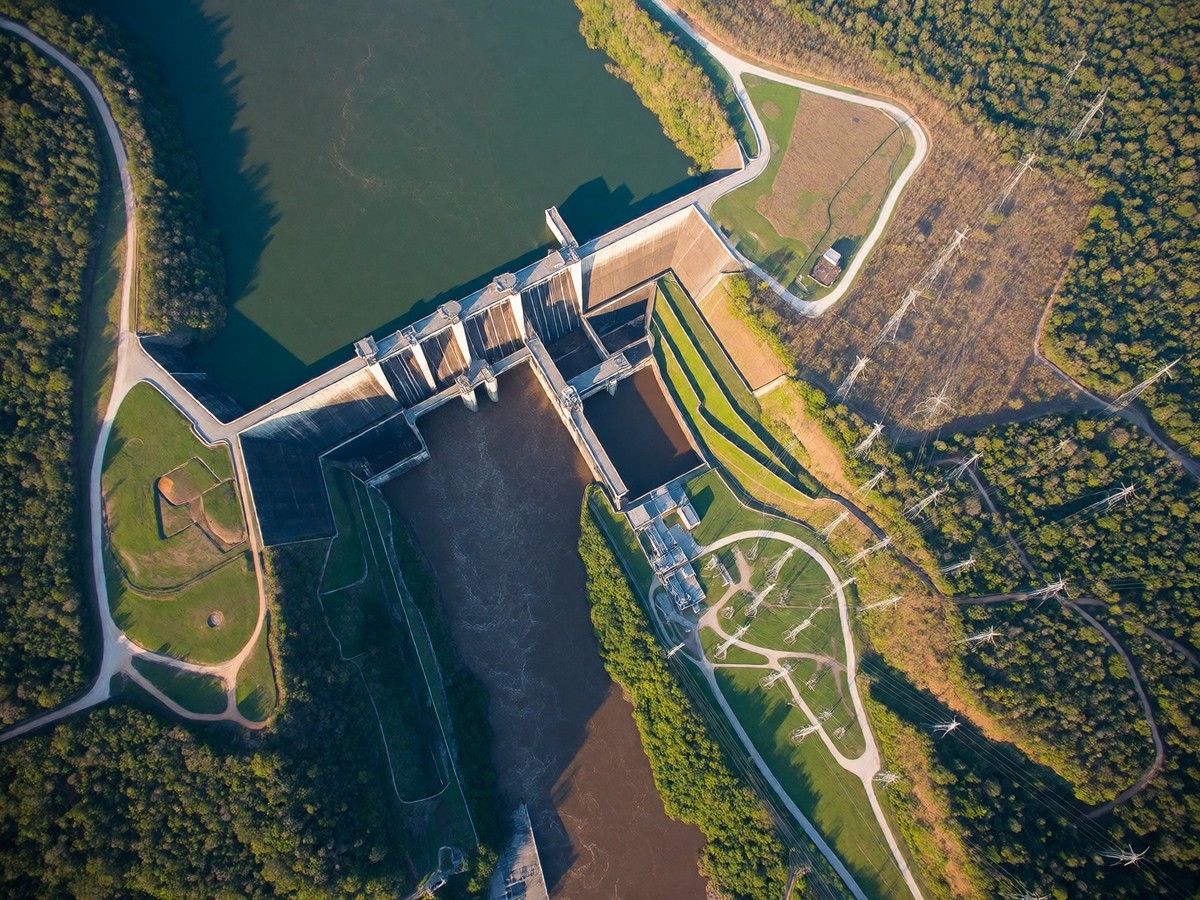
Paraguay attracts massive capital because of the Itaipu hydroelectric dam. This dam has 14 gigawatts of installed capacity. The cost of electricity in Paraguay stays at $0.032 per kWh, which beats the $0.20 per kWh rate in the United States. You know that energy costs dictate mining survival. HIVE commissioned a 200 MW data center in Iguazu to raise its hashrate to 11.4 Eh/s. Tether allocated $2 billion to create 15 mining facilities across Paraguay, Uruguay, and El Salvador. Bitfarms builds a 100 MW production facility in Yguazu to utilize these renewable resources. Bitfarms aims to achieve a corporate hashrate of 21 EH/s by year end 2024 if it uses additional Bitmain T21 miners. In March 2026, electricity demand in Paraguay grew 27% compared to the previous year, hitting 3,271,101 MWh. Itaipu Binacional supplied 2,671,573 MWh of that demand, while the Central Acaray plant provided 78,428 MWh and the Puerto Esperanza photovoltaic plant in the Chaco added over 9 MWh to the system. Paraguay’s population of about 7 million and its limited industrial base allow for the efficient use of excess energy for energy-intensive processes.
The regulatory environment in Paraguay shows a clear split between welcomed investment and strict enforcement. Lawmakers proposed a bill to pause all crypto-mining activities for 180 days or until the National Electricity Administration guarantees infrastructure. This bill targets illegal farms that siphon electricity. One bust at Radio Quindii facilities revealed 700 active ASICs. This illegal operation required as much electricity as the entire city where it operated. Government officials claim these illegal operations cost the state-owned utility ANDE over $60 million a year in lost revenue. The law would also prohibit the creation, preservation, or storage of virtual assets. Luis Benitez, a free software activist, argues that the law fails to distinguish between illegal and legitimate uses. He notes that the bill could move legitimate activity out of the country. To attract legal capital, the government introduced an Investor Pass on April 17, 2026, to provide immediate permanent residency. This program allows residency via real estate or securities investments of $200,000, or tourism projects from $150,000.
| Metric | Paraguay | USA | Kazakhstan |
|---|---|---|---|
| Electricity Cost (per kWh) | $0.032 | $0.20 | $0.03 – $0.04 |
| Key Infrastructure | Itaipu Dam (14 GW) | Diversified | 30,000 rigs (Ekibastuz) |
| Targeted Investment | Investor Pass | Large-scale farms | Strategic Digital Mining |
The global Bitcoin hashrate has surpassed the 100 EH/s zone. F2pool remains the most dominant mining operation among 32 current mining pools, including Antpool, Viabtc, and OKEx. The migration of machines from China to the US and Kazakhstan previously changed the market. Now, the shift moves toward nations with excess renewable capacity. Large-scale mining firms look to countries where they can deploy capital faster. The industry is moving toward a large-scale, intensive, and refined model. The hashrate in Canada grew from 1% in 2019 to 3% this year. Bitcoin has also seen significant hashrate fluctuations; for instance, the total network used 132 TWh in mid-May but only 59 TWh in early July. Will the Paraguayan government’s push for regulation eventually stifle the very investment it seeks to attract?