 Bitcoin News
History of Bitcoin’s genesis block and its monetary manifesto

The 2009 Genesis headline and its 2026 significance
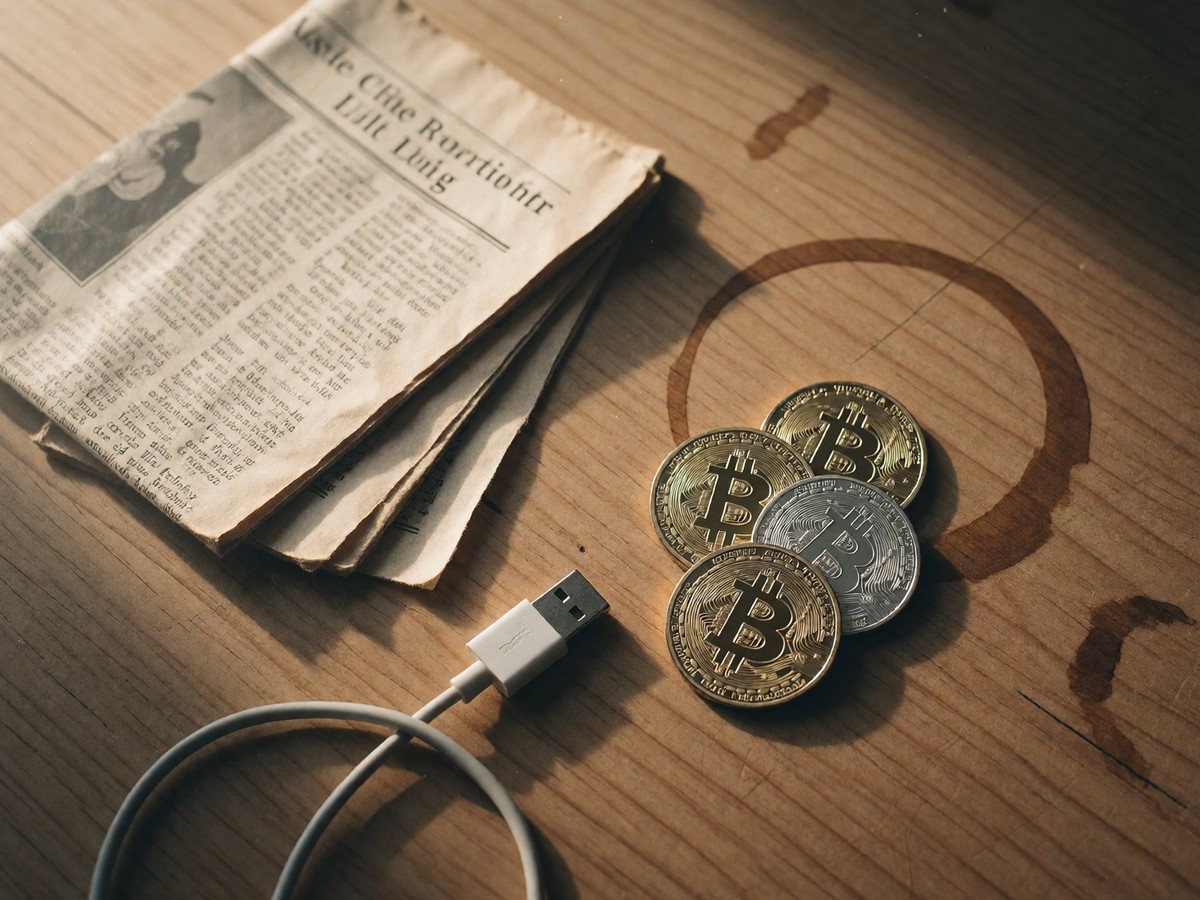
Satoshi Nakamoto embedded a New York Times headline into the base of the first Bitcoin block on January 3, 2009. This headline, "Chancellor on the brink of second bailout for banks," pointed to the British bank bailouts following the 2008 financial crisis. Nakamoto used this text to draw attention to a peer-to-peer currency that he believed would one day replace an inefficient economic model. This single line of text has grown into a $1.5 trillion November 2026 monetary manifesto. Because the network maintains countless copies of the blockchain, these messages exist for a very long time. This technology offers historians a one-of-a-kind cultural artefact for the future.
Bitcoin mining incentives decrease by half every four years according to predefined criteria in the code. These halving events act as watershed moments for enthusiasts. Many fans hold live countdown gatherings to mark the occasion. In May 2020, the miner F2Pool used block 629,999 to memorialize the financial crisis. They included a New York Times headline from April 9, 2020, which read, "With $2.3T Injection, Fed’s Plan Far Exceeds 2008 Rescue."
| Data Type | Description or Example |
|---|---|
| Newspaper Headlines | Jan 3, 2009, "Chancellor on the brink of second bailout for banks" |
| File Transfers | 2.5-megabyte "Cablegate" file from Wikileaks |
| Personal Records | Marriages, obituaries, and childbirth |
| Religious Text | Catholic prayers and biblical messages |
Digital graffiti and blockchain communications
Since 2009, miners and users have used steganography to hide text or visuals in ordinary files on the blockchain, creating a massive repository for everything from support for protocol improvements to newspaper headlines, obscenity, art, and music. This practice turns the ledger into a repository for various forms of digital graffiti. This includes records of marriages, obituaries, and childbirth. You likely know that the blockchain holds more than just transaction data. Projects like the Doomsday Blockchain and Messages from the Mines work to immortalize these hidden texts.
Wikileaks used the blockchain to respond to rumors on the 8chan message board regarding the death of Julian Assange. They used multiple Bitcoin addresses to post "we’re fine 8chan post fake" to clarify the situation. A Steemit user named Khan detailed these transactions. Ken Shiriff also noted that Wikileaks sent a 2.5-megabyte file concerning "Cablegate" in 2020. This file accompanied a message for Satoshi: "Free speech and free enterprise! Thank you, Satoshi!"
Developers Dan Kaminsky and Travis Goodspeed also used the network to leave messages. They left a tribute to cryptographer Len Sassaman in July 2011 after his passing. They wrote, "We dedicate this dumb hack to Len, who would have found it incredibly amusing." I think calling a cryptographer’s tribute a "dumb hack" is quite blunt.
Religious messages and unusual miners
The blockchain contains many weird messages. In January 2020, a user inscribed a biblical message in block 666,666. Because the number 666 is associated with the Antichrist or the Devil, the message could be interpreted as a need to live for the good of others, be honest with oneself, and defeat evil with good. This inscription supports the core ethos of a fair financial system for everyone.
The miner Eligius also used the blockchain for religious and non-religious purposes. Eligius included Catholic prayers that sparked controversy among certain users. Eligius also used the network to post insults and rickrolls. I find the inclusion of rickrolls in a financial ledger to be a waste of block space. Users can access this world through brokers via trading platforms like Bitcoin Profit.
A comparison of monetary visions
The January 3, 2009, headline connects the 2008 financial crisis to the $1.5 trillion November 2026 monetary manifesto. This historical line exists alongside the legacy of Hal Finney’s first transaction and the hashcash proof-of-work precursor from Adam Back. How does Nick Szabo’s bit gold smart contract vision compare to the current $1.5 trillion manifesto? The genesis block remains the primary connection between the early financial crisis and the modern era of cryptocurrency.