 Bitcoin News
Bitcoin post-halving miner capitulation risks

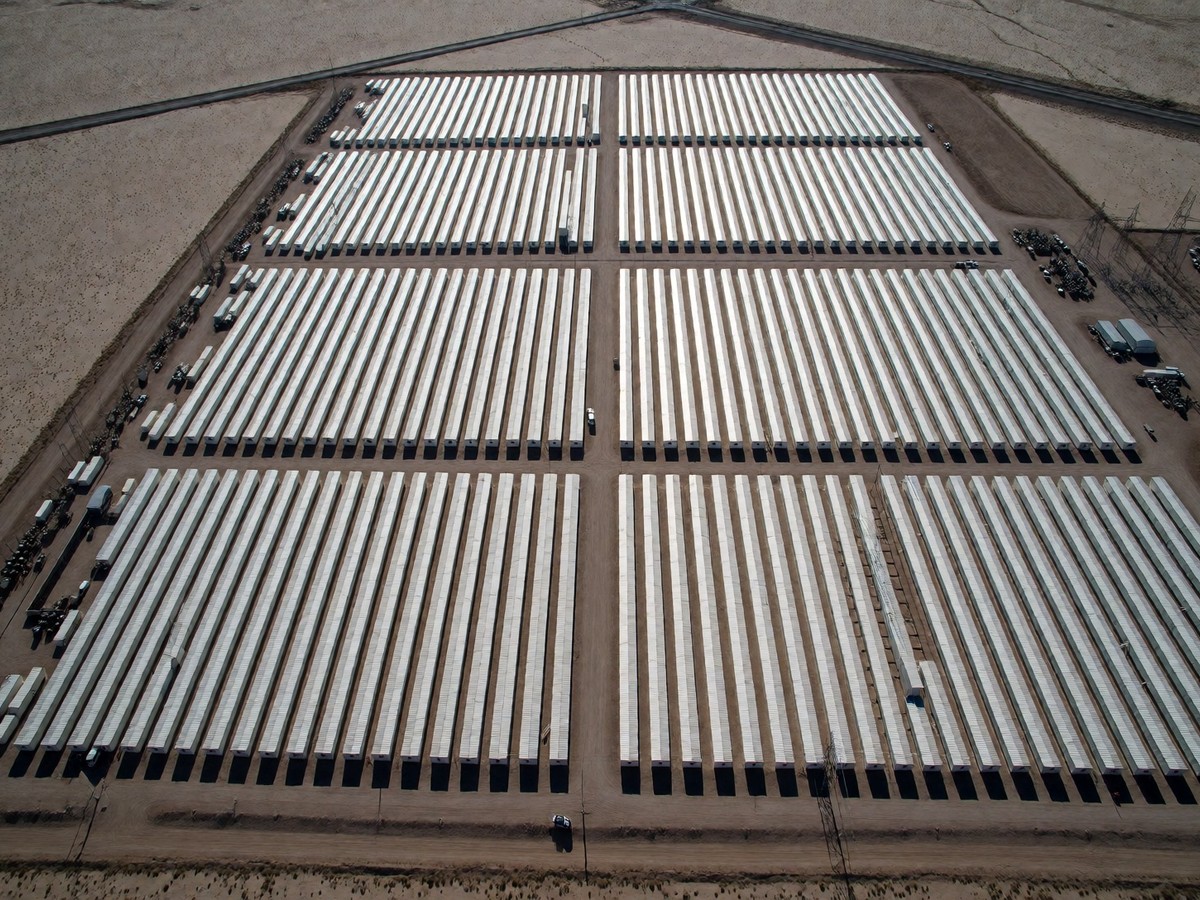
The 21.5% increase in Bitcoin mining difficulty, the largest positive adjustment in nearly seven years, has triggered a severe profitability crisis for operators. This spike forces miners to consume significantly more computing power to verify transactions, which directly erodes margins for those without access to ultra-low-cost electricity. When operating costs exceed revenue, miners shut down rigs or sell their holdings to cover debts, a process known as "miner capitulation." This dynamic creates a reflexive loop where falling prices depress revenues, prompting further selling that suppresses the price even lower. The industry is currently navigating this pressure with hash rates declining approximately 15% from recent peaks, signaling that the pain is structural rather than transient.
Structural financial fragility
The core risk lies in the extreme sensitivity of mining economics to energy costs and Bitcoin prices. In the second quarter of 2026, the weighted average ex-tax cash cost for publicly listed miners reached $75,500 per coin, while Bitcoin traded near $58,400. This gap left the sector below aggregate cash breakeven, forcing many operators into negative territory. Electricity accounts for 90-99% of total operational costs, meaning a single cent difference per kilowatt-hour translates into thousands of dollars in lost annual profit per unit. Miners paying industry-average rates of $0.075/kWh face a structural disadvantage compared to those securing power at $0.045/kWh, a gap of $1,360 annually per machine.
This cost disparity determines survival. Older hardware consuming 25-35 watts per terahash generates significantly less Bitcoin per dollar of electricity spent than modern units like the Antminer S23 Hydro, which operates at roughly 15.5 watts per terahash. As a result, inefficient equipment becomes uneconomical to run, leading to rapid exits. The network hashrate fell from about 1.1 zettahashes per second to roughly 977 exahashes per second, reflecting how quickly marginal capacity disappears when the math no longer works. I see this as a brutal filter: only operators with the lowest energy costs and most efficient hardware remain viable. The rest are forced to liquidate assets or file for bankruptcy, as seen with Poolin’s Chapter 11 filing in New Jersey.
The AI pivot and debt burden
A major strategic risk is the industry’s rapid transformation into artificial intelligence infrastructure providers. Publicly listed mining companies have signed over $70 billion in AI and high-performance computing contracts, with some expecting up to 70% of their revenue from these sources by the end of 2026. This shift requires massive capital expenditure, leading to significant debt accumulation. For example, WULF carries $5.7 billion in total debt, while IREN holds $3.7 billion in convertible notes. These liabilities create a precarious balance sheet structure that is highly sensitive to interest rate changes and asset valuations.
The transition also cannibalizes existing mining capacity. Companies like CORZ and CIFR are converting data centers for AI workloads, which reduces the available power for Bitcoin mining. This reallocation is driven by the fact that AI infrastructure offers higher and more stable returns than mining during periods of low hashprice. However, it introduces new operational risks, such as the failure of the CORZ-CoreWeave merger, which led to financial restatements due to improper capitalization of assets. If Bitcoin prices do not recover above $100,000, high-cost miners will accelerate their exit, leaving the industry dependent on whether AI revenues can sustain the heavy debt loads. This dependency creates a fragile ecosystem where a downturn in either crypto or tech sectors could trigger widespread insolvency.
Market volatility and supply dynamics
Miner selling pressure directly impacts Bitcoin’s price action, creating a volatile feedback mechanism. During capitulation phases, miners dump inventory to secure funding, which widens bid-ask spreads and compresses liquidity. This selling pressure can limit short-term upside, particularly if the price breaks below critical support levels like $92,000. The Hash Ribbon indicator, which compares 30-day and 60-day moving averages of hashrate, recently showed a dead cross, a signal historically associated with market bottoms but also indicative of intense stress.
While some view this capitulation as a contrarian buying opportunity, the immediate risk remains high. Transaction fees have not recovered sufficiently to offset the reduced block subsidy, with fees accounting for only about 0.63% of total block rewards. This leaves miners heavily exposed to spot price fluctuations. If macroeconomic factors like rising short-term rates or a stronger US dollar exacerbate the stress, the duration of the capitulation phase could extend further. The question of whether this recovery represents a lasting improvement or a temporary rebound remains unanswered as the network continues to rebalance its computational power.