 Bitcoin News
Getting Started with Riot Platforms’ Texas Immersion Cooling

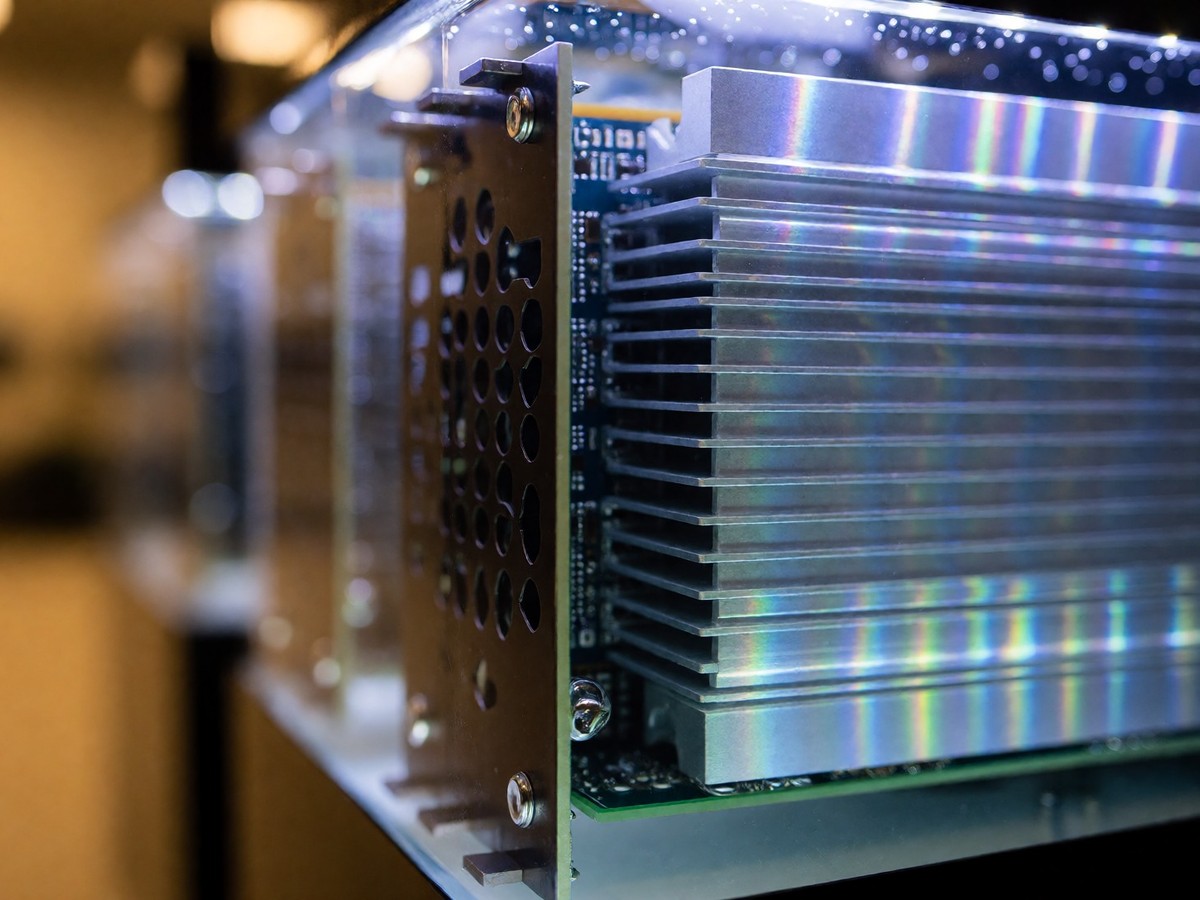
Riot Platforms operates one of the largest Bitcoin mining portfolios in the United States, controlling over 1,100 acres and 1.7 GW of approved power capacity across its Texas sites. The company’s Corsicana facility launched in February 2024 and now supports a deployed hashrate that reached 42.5 EH/s by the end of Q1 2026. This scale allows Riot to deploy immersion cooling at an industrial level, a technique that submerges ASIC miners in non-conductive dielectric fluid to manage heat more effectively than air. For operators looking to enter this space, understanding Riot’s infrastructure provides a clear blueprint for high-efficiency mining operations in hot climates.
Infrastructure and Hardware Selection
The foundation of any immersion deployment is the physical site and the hardware it houses. Riot’s Rockdale site in Milam County, Texas, includes 200 acres of land with 700 MW of connected capacity, its own water supply, and fiber optic infrastructure. The company acquired this land for $96 million, funding the purchase entirely through the sale of approximately 1,080 BTC from its balance sheet. Such dedicated infrastructure ensures stable power delivery, which is critical because immersion systems require consistent thermal management to maintain efficiency.
Hardware selection is equally important. Riot partners with MicroBT to manufacture the M56S+ and M56S++ ASICs specifically for immersion cooling systems. These machines are designed and produced in Pittsburgh, Pennsylvania, securing a domestic supply chain for U.S. miners. When fully deployed, these new models contribute an additional 7.6 EH/s to Riot’s self-mining capacity. The partnership also creates highly skilled jobs in the local area, addressing industry concerns about job creation. Operators should prioritize miners with sub-18 J/TH efficiency, as older models like the Antminer S19 no longer provide competitive economics even with immersion cooling.
Thermal Performance and Financial Metrics
Immersion cooling eliminates individual miner fans, which typically consume 5-7% of total power draw. By submerging hardware in dielectric fluid, the system maintains stable chip temperatures between 45-55°C regardless of external conditions. This stability prevents performance throttling common in air-cooled facilities during summer months, ensuring predictable hashrate output year-round. In Texas, where ambient temperatures can degrade air cooling efficiency, immersion systems realize faster payback periods due to consistent thermal performance.
| Metric | Air Cooling | Immersion Cooling |
|---|---|---|
| PUE Range | 1.18 – 1.38 | 1.04 – 1.09 |
| Monthly Savings (10 MW) | N/A | $6,899 |
| Hardware Lifespan | 30 – 36 months | 48 – 60 months |
Financial analysis shows that immersion cooling reduces total facility power draw by 18-24% compared to air cooling. At electricity rates of $0.055/kWh, a 10 MW installation saves approximately $82,788 annually in energy costs alone. The initial capital expenditure for immersion infrastructure ranges from $320,000 to $650,000 per megawatt, which is roughly double the cost of air cooling equipment. However, this premium is offset by hardware savings; a 10 MW facility using immersion requires fewer miners due to overclocking capabilities, reducing hardware investment by $2.7 million. Labor costs also decrease by 40-50% because immersion systems eliminate particulate contamination and frequent filter cleaning.
Operational Challenges and Strategic Context
Despite the efficiency gains, immersion cooling introduces technical complexities that require careful planning. Fluid selection is critical; mineral oil-based fluids cost $9-14 per gallon but require replacement every 15-20 months, while synthetic hydrocarbons cost $18-24 per gallon yet offer superior thermal stability and a service life of three to four years. Tank design must accommodate 40-60 miners per unit, with modular designs allowing incremental expansion without disrupting existing operations. Proper sizing ensures adequate fluid circulation, requiring a minimum of 3 gallons per kW of heat load.
Maintenance protocols differ significantly from air-cooled setups. Quarterly fluid analysis identifies contamination and thermal degradation, while semi-annual pump bearing inspections prevent circulation failures. Establishing comprehensive maintenance schedules prevents unexpected downtime and ensures optimal long-term performance. Riot’s strategic pivot also includes data center development, evidenced by its lease agreement with AMD for 25 MW of critical IT load at the Rockdale site. This contract, worth approximately $311 million over its initial 10-year term, demonstrates how mining infrastructure can support high-performance computing workloads. The company sold 3,778 BTC in Q1 2026 to raise $289.5 million, funding these expansions under its "Power First" strategy. While the financial benefits are clear, the question remains whether smaller operators can achieve similar efficiencies without Riot’s scale.