Peso devaluation drives crypto demand in Argentina

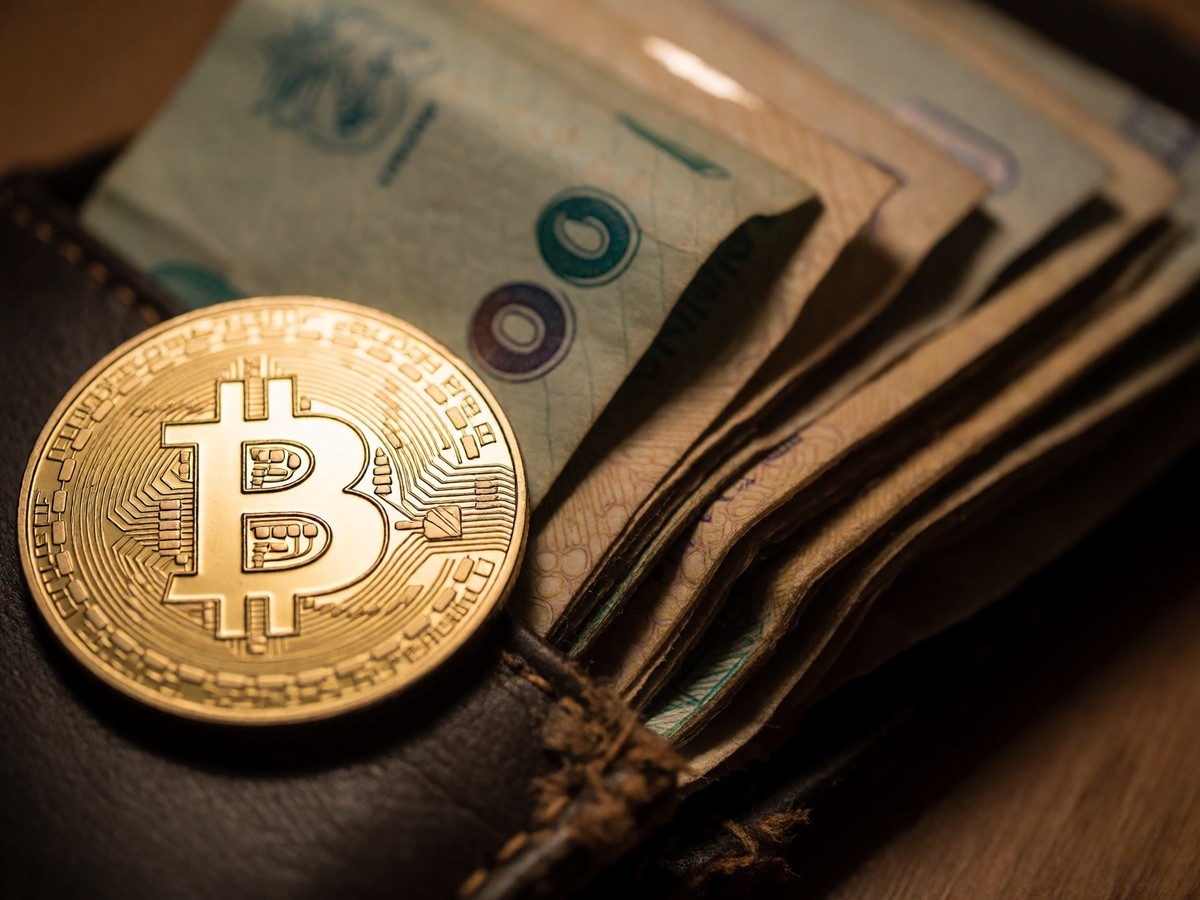
Inflation in the Argentine Republic reached 274% around the time Javier Milei took office in December 2023. This surge followed a 211% annual inflation rate recorded in 2024. Because the peso lost 95% of its value against the US dollar since 2018, citizens use digital assets to protect their wealth. History shows the country suffered from 300% average inflation between 1975 and 1990, alongside the 2001 Corralito which froze dollar-denominated bank accounts. Argentina’s crypto adoption functions as a practical response to economic volatility rather than a speculative trend.
Economic instability and the need to bypass capital controls pushed Bitcoin adoption higher. While the government enacted the Rodrigazo in 1975 to centralize economic decision-making, modern Argentinians face different hurdles. The 2012 implementation of capital controls led to a steady increase in the black market for dollars. Today, the number of user accounts for investing in crypto multiplied by ten in Argentina since 2020. This growth provides an avenue for citizens to preserve wealth in a deflationary technology that the government cannot easily censor or confiscate.
Stablecoins shield income
Argentinians use stablecoins to escape the peso’s devaluation. Because the local currency faces extreme volatility and the government frequently imposes strict capital controls, many Argentinians prioritize stablecoins like USDT to ensure their monthly wages do not disappear before they can spend them. Data shows 60% of transactions seek dollars while Bitcoin accounts for 13%. Stablecoin holdings among users grew 220% recently. You should note that Bitcoin transactions at Lemon Cash reached double the 2023 average in the first week of March 2024. Belo reported year-to-year increases closer to tenfold.
The preference for dollar-parity assets remains high. Most users convert pesos to stablecoins immediately after receiving salaries to avoid rapid value loss. This behavior contrasts with the US, where stablecoins make up only half of transaction volumes, compared to over 60% in Latin America. In Argentina, Bitcoin holdings top portfolios at 53%, while digital dollars like USDT and USDC account for 26%. Remittances using digital assets grew 180% annually, as families use these rails to avoid high cross-border fees.
Banking integration and user growth
The financial infrastructure now incorporates crypto into daily commerce. Over 15,000 merchants in Argentina accept crypto payments. In the town of San Martin de Los Andes, 40% of businesses accept Bitcoin. Banks like Banco Galicia and Brubank allow customers to buy Bitcoin, Ether, and USDC. Lemon Cash plans to issue three million Bitcoin rewards cards this year. These Visa cards convert cryptocurrency into pesos for daily payments and give holders 2% back in Bitcoin.
| Instrument | Last Price | 12-Month Change |
|---|---|---|
| BTC | 58,515 | -32.96% |
| ETH | 1,650 | -44.24% |
| SOL | 67.41 | -51.43% |
| XRP | 0.90 | -59.00% |
| BNB | 538.46 | -37.54% |
The market shows massive scale. The National Securities Commission of Argentina notes that the country holds over 10 million crypto asset accounts. This volume matches the number of accounts in traditional capital markets. Bitso reports that its Argentinian users grow 16% annually, exceeding 1.5 million people. Argentina also accounts for 40% of new crypto app users in Latin America. Smartphone penetration at 85% among the population facilitates this expansion.
Legislation and political divergence
The Argentine Senate passed a law in March to set standards for virtual asset service providers. This law requires providers to follow specific consumer protection and anti-fraud measures. During a recent tax amnesty, companies reported that clients externalized nearly US$20 million in digital assets. Most of these users were individuals, though companies also use digital assets for operations. President Alberto Fernandez suggested the country might consider Bitcoin, but Miguel Pesce, the central bank president, argued that Bitcoin does not generate any lasting profitability.
The regulatory environment remains complex. While the Senate moves to protect consumers, the country faces high inflation that continues to drive people toward crypto. In 2024, the inflation rate hit 211%, which further incentivized the use of digital dollars. Large operations like Binance maintain a 59.2% market share, while local exchanges like Lemon Cash and Bitso provide essential access for the 5 million people using digital currencies. Will regulatory pressure eventually force smaller startups out of the market?