 Bitcoin News
Bitcoin’s Stratum V2 Protocol Explained in Plain Terms

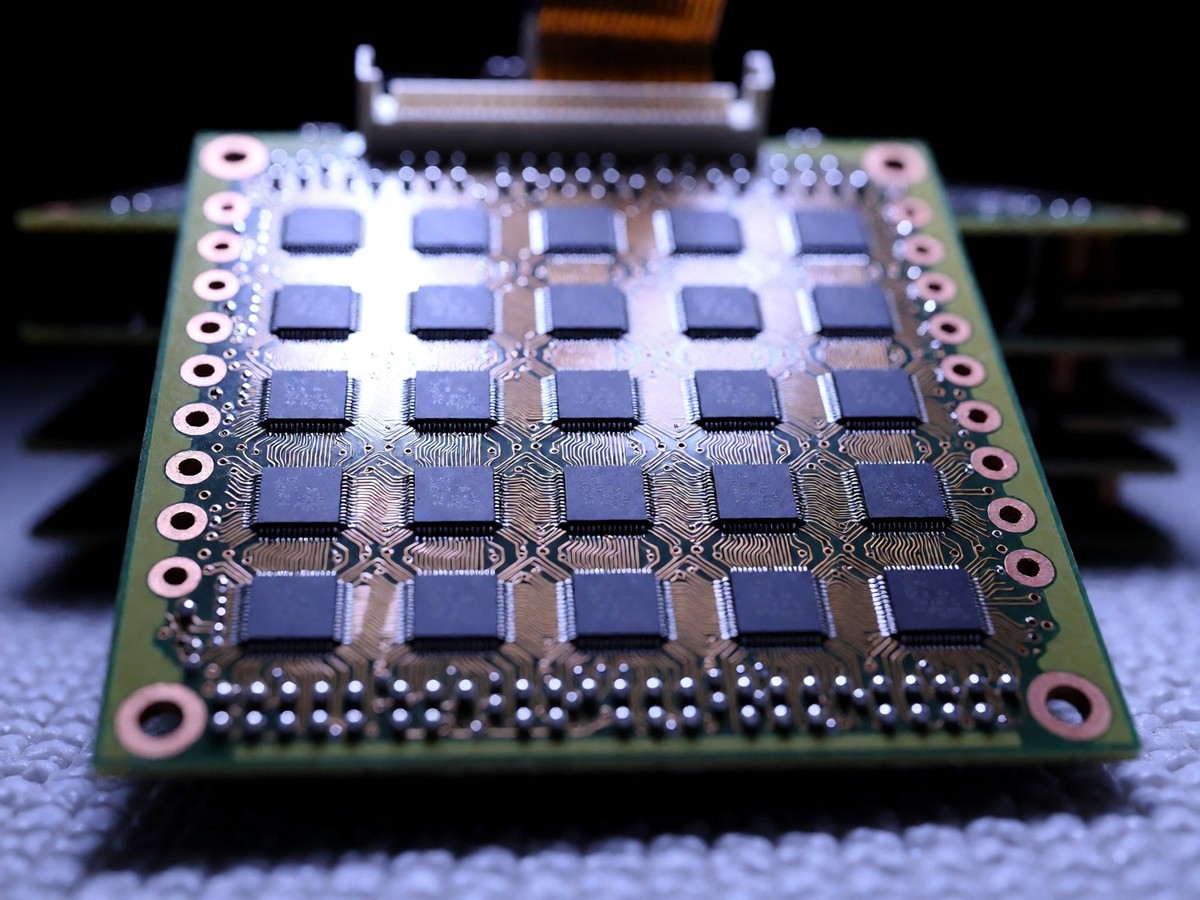
Stratum V2 replaces the monolithic job stream with a granular, modular data flow. This shift grants miners direct control over work submission and reduces network latency significantly. The protocol allows for dynamic difficulty adjustments that match the specific hardware capabilities of each ASIC. It also enables more precise tracking of individual hash rates within a pool. These changes address long-standing inefficiencies in how mining pools distribute computational power.
The Mechanics of Modular Work
The core innovation is the separation of work into distinct components. Instead of sending a single, large job, the pool sends small, reusable parts. Miners can then combine these parts locally to generate valid nonces. This process eliminates the need for constant communication with the server for every new block header. Braiins OS supports this by providing autotuning firmware with per-chip calibration. This ensures that hardware operates at its optimal power limit while maintaining stability. The software aggregates farm hashrate to cut network load through smart routing. Automatic failover features keep connections resilient even if one link drops. By managing these variables locally, miners reduce the bandwidth required to stay synchronized with the network.
| Feature | Traditional Stratum | Stratum V2 |
|---|---|---|
| Job Size | Large, infrequent | Small, frequent |
| Difficulty Control | Pool-set, static | Miner-adjustable, dynamic |
| Network Load | High, constant polling | Low, event-driven |
| Hardware Support | Generic | Per-chip calibration |
I find the local adjustment capability particularly useful for managing power constraints. If a site hits a power ceiling, the miner can lower its internal difficulty without waiting for the pool. This prevents wasted cycles and keeps the equipment running efficiently. The ability to configure pool allocation from a single dashboard simplifies operations for multi-site fleets. Operators can monitor real-time data and apply batch actions across hundreds of machines. This level of control was impossible under the old protocol, which treated all miners as identical units.
Adoption and Pool Dynamics
Braiins Pool has operated since 2010 and remains the longest-running bitcoin mining pool. It offers predictable FPPS payouts and charges 0% fees when used with Braiins OS. The pool has mined over 1.3 million bitcoin since its inception. Its infrastructure supports both on-chain and Lightning payouts, giving miners flexible withdrawal options. More than 2 GW of mining infrastructure currently runs Braiins OS, indicating significant adoption of the underlying technology. Braiins Manager controls over 550 MW of capacity across sites worldwide. This scale demonstrates that major operators are already integrating these tools into their daily workflows. The pool’s support team provides assistance in English, Russian, Spanish, Farsi, and Chinese, catering to a global user base.
The transition to Stratum V2 requires coordination between pool operators and miner firmware developers. Braiins OS supports all bitcoin mining pools, allowing users to switch providers without changing hardware. However, not all pools have fully implemented the new protocol yet. Miners must verify compatibility before deploying updates across a fleet. The ecosystem benefits from this standardization because it creates a common language for communication. When a pool adopts V2, it can offer better service levels to its users. The debate centers on whether the added complexity is worth the performance gains. For large-scale operations, the answer is clearly yes. The efficiency gains translate directly into higher profitability.
Economic Implications for Miners
Solo mining remains an option for those who want to avoid pool fees entirely. Braiins Solo allows users to try their luck at finding a block and keep the entire reward minus 0.5% fees. This approach supports a more decentralized mining ecosystem by reducing reliance on centralized entities. However, the probability of finding a block solo is extremely low for most individuals. Pooled mining offers steady income through FPPS rewards, which include transaction fees. The predictability of these payouts helps operators plan cash flow and manage debt. Hashrate can also be bought and sold on live order books, treating it as a commodity. This market allows investors to deploy capital without purchasing physical hardware. Fixed-term contracts provide guaranteed delivery and stable pricing for set periods.
I would recommend using Braiins OS for any operation larger than a few machines. The combination of firmware optimization and pool integration creates a synergy that standalone tools cannot match. The 0% fee structure is a significant advantage over competitors who charge 1% or more. While the initial setup may require technical knowledge, the documentation and API resources make it manageable. The question of whether smaller pools will adopt V2 quickly enough to remain competitive remains open. Until they do, large pools will continue to attract the majority of hashrate. Miners should focus on maximizing their existing hardware’s output rather than switching providers frequently. Consistency in operation yields better results than chasing marginal differences in fee structures.