 Ethereum News
Ethereum Fusaka Upgrade and New Validator Hardware Requirements

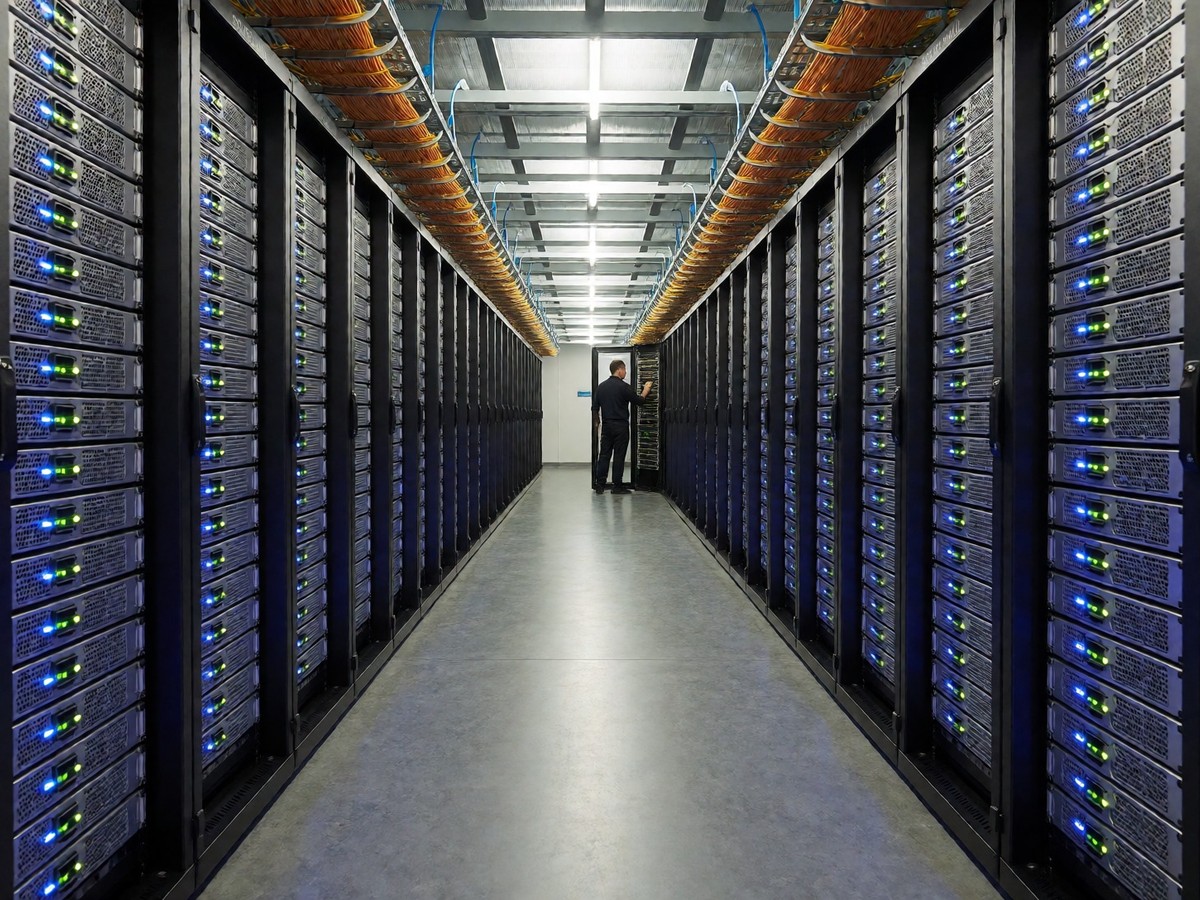
The Fusaka upgrade introduces PeerDAS, a mechanism that fundamentally alters how validators handle data availability. Previously, every full node on the network stored the entire block body, ensuring anyone could verify transactions independently. Under PeerDAS, this burden shifts. Validators no longer need to store all blob data locally; instead, they request specific data slices from other nodes in the peer-to-peer network. This change reduces local storage requirements but increases network bandwidth demands significantly. A validator must now fetch data on demand rather than relying on a static local copy. The shift moves the bottleneck from disk space to network throughput and latency.
This architectural pivot changes the hardware profile for running a validator. Disk capacity remains important for the chain state and transaction history, but it is no longer the primary constraint for data availability. Network speed becomes the critical factor. A validator with slow internet will struggle to fetch the necessary data slices within the slot deadline, risking penalties or missed attestations. The requirement for high-speed, low-latency connections is now non-negotiable for reliable operation. CPU performance also matters more, as processing incoming data requests and managing peer connections requires more computational overhead than before. RAM usage may increase slightly to buffer incoming data streams efficiently.
| Component | Pre-Fusaka Priority | Post-Fusaka Priority |
|---|---|---|
| Storage | High (Full Block Data) | Moderate (State + History) |
| Network Bandwidth | Moderate | High (Data Fetching) |
| Latency | Low Impact | Critical (Slot Deadlines) |
| CPU | Standard | Elevated (Peer Management) |
For individual operators, this means upgrading home broadband connections might be insufficient if packet loss or jitter is high. Data center-grade connectivity offers better reliability. You should check your current connection stability before assuming your existing setup is ready. If you run multiple validators on a single machine, the aggregate bandwidth requirement multiplies. A single validator might manage 10 Mbps of peak load, but four validators could spike to 40 Mbps simultaneously during busy slots. Sustained high throughput over short bursts is the new norm.
The Bandwidth Bottleneck and Peer Selection
PeerDAS relies on a distributed sampling method where validators query random peers for data chunks. This creates a complex web of dependencies. If a significant portion of the network has poor connectivity, the entire system slows down. Validators must maintain healthy peer lists to ensure they can reach responsive nodes quickly. Pruning unresponsive peers becomes an active maintenance task rather than a background process. Software updates will likely include smarter peer selection algorithms that prioritize nodes with proven low latency.
The impact on small-scale operators is uneven. Those with fiber optic connections and stable IP addresses face minimal disruption. However, users on cellular data or congested residential networks will experience higher failure rates. The penalty for missing a data fetch is severe; it results in a slashing event or reduced rewards depending on the specific fault. This economic pressure forces operators to invest in better infrastructure. It is clearly a barrier to entry for those who previously ran nodes on cheap hardware. The cost of electricity for cooling high-performance network cards and servers rises alongside the hardware investment.
Consider the scenario where a validator misses a data request due to a temporary network glitch. In the old model, the data was already on disk, so a network hiccup did not affect verification. Now, that same hiccup causes a missed attestation. The difference is stark. One dropped packet can mean lost revenue. Operators must monitor their network health continuously. Tools that track peer response times and data fetch success rates are essential. Ignoring these metrics leads to silent failures that accumulate into financial loss.
Operational Adjustments and Future Proofing
Running a validator under Fusaka requires a different operational mindset. Focus shifts from managing disk I/O to monitoring network quality. Log files will show more frequent entries related to peer timeouts and data retries. Interpreting these logs correctly is vital for diagnosing issues. Is the problem local or network-wide? Distinguishing between the two requires comparing your metrics against public network health dashboards. If your failure rate matches the global average, the issue is systemic. If it is higher, your local setup needs attention.
Hardware choices should prioritize network interfaces with low latency. Standard gigabit Ethernet ports are sufficient, but multi-gigabit connections provide headroom for future scaling. Solid-state drives remain standard for the chain state, but their size requirements drop compared to pre-Fusaka setups. You can potentially use smaller SSDs, saving on initial costs. However, do not sacrifice network quality for storage savings. The trade-off is unfavorable. A fast disk with a slow network is worse than a slower disk with a fast network.
What happens if the network grows beyond the capacity of current consumer hardware? Will institutional players dominate, leaving individuals behind? The answer depends on how quickly software optimizations reduce bandwidth overhead. For now, the path is clear: upgrade your network first, then consider adding more validators. Do not expand your cluster until your single-node performance is stable under peak load. Stability beats scale. If your current setup cannot handle the increased traffic reliably, fix that before buying more equipment. The economics of validation depend on consistent uptime, and consistency comes from robust networking, not just raw compute power.