 Bitcoin News
Foundry USA mining dominance and the concentration of power

Hashrate Concentration and Network Risks
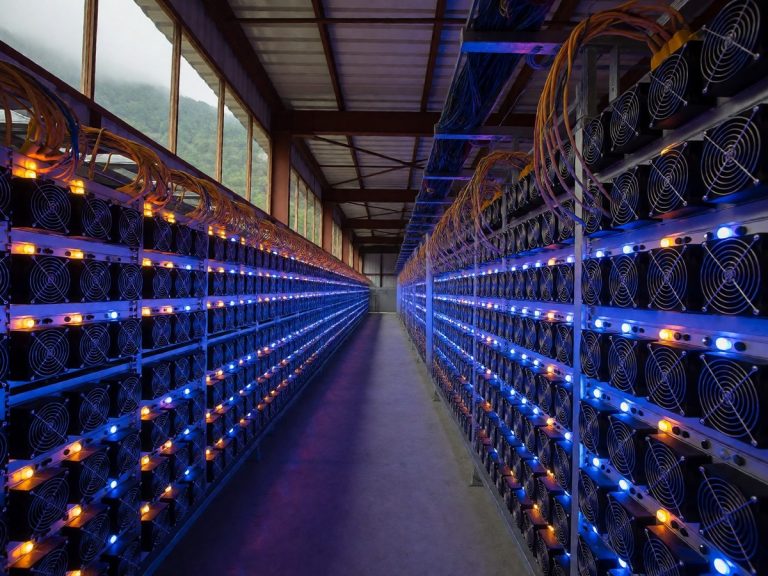
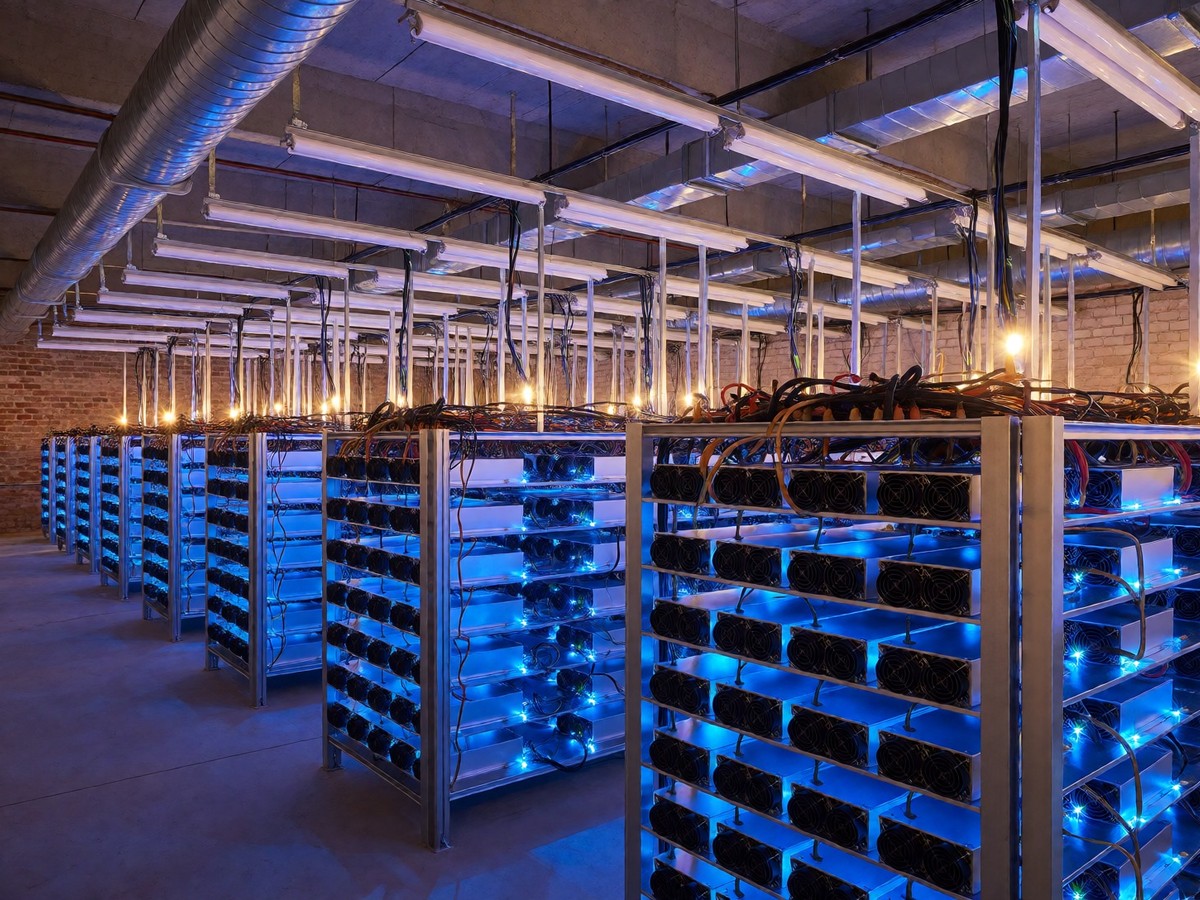
Foundry USA commands 30 percent of the network hashashrate as of May 2026. AntPool holds 18 percent. The Bitcoin network in 2026 operates at roughly 900 EH/s of total hashashrate. Together, these two organizations direct the block template construction for nearly half of every Bitcoin block. This concentration creates a significant chokepoint for Bitcoin security. In January 2025, a severe winter storm in the United States caused Foundry USA hashrate to drop 60 percent. This event caused block times to stretch and fees to spike across the network.
Foundry USA leads.
The pool has a reported hashrate of 242.1 EH/s. This is significantly higher than AntPool at 178.6 EH/s. Ten pools control over 95 percent of the total network hashashrate. The concentration of hashashrate in two organizations creates a risk of censorship because the pool operator decides which transactions go into each block using the legacy Stratum V1 mining protocol. If a pool excludes specific addresses, the miners using that pool help confirm those blocks. Prior to the 2024 halving, the United States held 37.84 percent of the global Bitcoin mining hashashrate as of January 2022.
Operational Mechanics and Mining Economics
| Feature | Specification |
|---|---|
| Payout Scheme | FPPS |
| Minimum Payout | 0.001 BTC |
| Parent Organization | Digital Currency Group |
| Primary Location | Rochester, NY |
Foundry USA remains the best choice for large-scale operations. The pool uses the Full-Pay-Per-Share model to ensure miners receive rewards regardless of pool success. This model helps maintain cash flow for facilities with high maintenance and staffing costs. Large miners prefer this because it avoids the lumpy revenue seen with PPLNS. Large operators often spread hashrate across several pools to reduce single operator risk, yet the concentration in top pools like Foundry and AntPool persists because they offer the most consistent block discovery.
The pool pays miners daily.
The 2024 halving reduced the block reward from 6.25 BTC to 3.125 BTC. Since that event, hash price has fallen about 60 percent. After the halving, the average cost of production per Bitcoin increased to $37,856. Direct cost of production rose to $27,900. Operating breakeven reached $37,800. The network boasted a weighted average efficiency of 34W/T in 2024.
Centralization remains a risk.
Regulatory Compliance and Protocol Evolution
The IRS treats mined Bitcoin as ordinary income at its fair market value on the day you receive it. This applies to both full block rewards and fractions paid through a pool. The cost basis for future capital gains equals the value at the time of receipt. This is a separate tax event from any later sale of the digital asset. You should know that the cost basis for future capital gains equals the value at the time of receipt.
Will miners ever move away from the most dominant pools?
Stratum V2 offers a way to change this. This protocol lets miners construct their own block templates. Braiins Pool and Ocean support this technology. Foundry USA tests this technology. Most major pools like AntPool and F2Pool do not support it. The distinction between FPPS and PPS+ becomes much more meaningful for miners now that transaction fees represent a larger percentage of total block revenue following the 2024 halving event. The next halving is projected for April 2028 at block height 1,050,000. This mechanism ensures the total supply stays capped at 21 million coins.