 Bitcoin News
Foundry USA reaches 28% hashrate dominance in September 2026

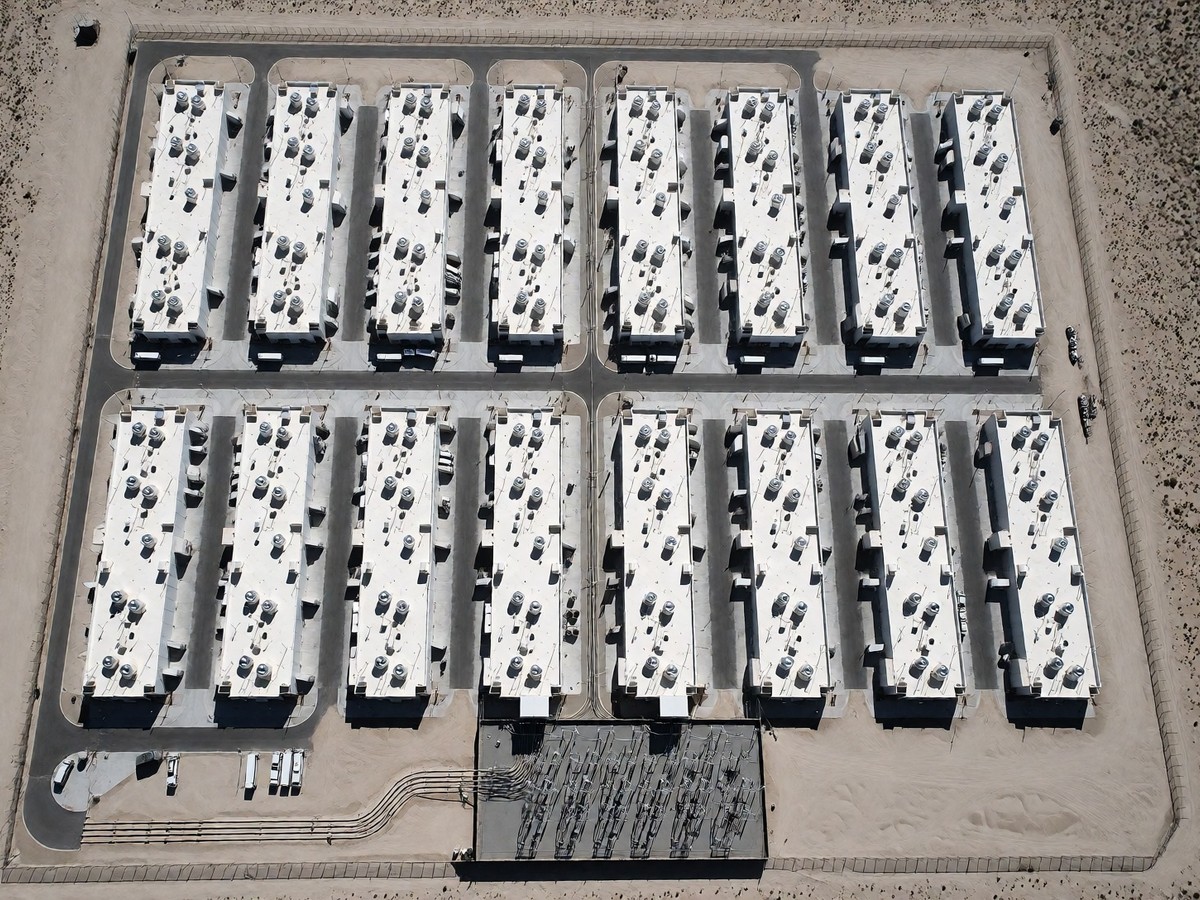
Foundry USA controls 28% of the Bitcoin network hashrate as of September 2026. This dominance follows a 4.5 EH/s expansion and a 200 MW joint venture with Saudi Aramco. The total network hashrate near 927 EH/s makes it nearly impossible for an individual machine to find a block. This concentration places influence in the hands of a few large entities. Foundry USA, AntPool, ViaBTC, and F2Pool together control more than 70% of the network computing power. This dominance leaves the network vulnerable to the decisions of a small number of operators. The industry shifts toward professional operators with newer hardware as smaller, higher-cost operations exit the market. Because the total network hashrate near 927 EH/s makes individual block discovery nearly impossible for small operators, most miners join large pools like Foundry USA, AntPool, or F2Pool to ensure a consistent stream of income.
How mining pools manage rewards
Miners join pools to manage the high variance of the mining lottery. A single block reward consists of the 3.125 BTC block subsidy and the transaction fees. The network produces one block every ten minutes. Miners contribute work by submitting "shares," which are solutions that clear a pool-set target. Because the network target is much harder, the pool coordinator tallies these specific shares to determine payouts. Different pools use various methods to distribute these rewards.
| Payout Model | Typical Fee | Operational Logic |
|---|---|---|
| FPPS | 2% to 4% | Pays a steady rate for every share |
| PPS | High | Pool operator absorbs all variance |
| PPLNS | Low | Rewards miners for recent work |
Foundry USA lists a 0% fee. You know that the difference between a successful mine and a loss can depend on the fee structure. Most FPPS pools pay miners a slice of the block reward, but they profit when transaction fees run below the average they pay out. PPLNS models reward miners for their recent loyalty to the pool. A single device like a Bitaxe Gamma, running at 995 gigahashes per second, might solve a block, but the odds remain extremely low. In July 2026, a Bitaxe user solved block 957,382 and received 3.1382 BTC, worth around $200,000. Most miners use more powerful hardware like the Antminer S21 XP, which runs at 270 terahashes. To handle different sizes of machines, pools use variable difficulty, or vardiff, which raises the share target for powerful miners and lowers it for small ones. Using the Stratum V2 protocol, the Job Declaration Protocol allows miners to select the transactions included in blocks instead of receiving a complete block template from the pool.
The power demand of AI and infrastructure
The expansion of mining capacity follows the massive energy requirements of artificial intelligence. Saudi Aramco invested $14.9 billion into AI and digital infrastructure. This funding supports the construction of data centers and cloud capabilities. Saudi Aramco also signed 34 Memoranda of Understanding with U.S. companies, involving potential values of $90 billion. The company expects to generate new, non-oil revenue streams by selling digital services. US data center electricity demand will grow from 31 gigawatts in 2025 to 41 gigawatts in 2026 and 66 gigawatts in 2027. The demand for power-ready sites increases the value of existing infrastructure. Mining operations move to where electricity is abundant and inexpensive. In November 2025, AMD, Cisco, and the Saudi AI company Humain announced a joint venture involving the construction of a domestic network of data centers. Saudi Aramco pursues these goals through Aramco Digital, which aims to scale solutions in AI, cybersecurity, and cloud computing. The company projects cost savings between $3 billion and $5 billion by the end of 2025. In August 2025, Aramco signed an $11 billion lease and leaseback agreement for its Jafurah gas midstream facilities. This project relies on advanced digital and AI solutions for plant management. In May 2025, a collaboration with Qualcomm began to develop industrial-grade edge AI devices for real-time processing of data from sensors and drones. This massive capital allocation is part of a national effort to build a self-sustaining domestic ecosystem.
Risks of hashrate concentration
Concentrated mining pools pose risks to the network. Foundry USA, AntPool, and F2Pool together control nearly 60% of all blocks. This concentration means the Nakamoto coefficient for pools is three. Collusion among three major pools could allow them to control the majority of the network. Such control allows them to exclude specific transactions. Will this level of concentration eventually force a protocol change? The market remains under pressure because the average cost to produce one coin ranges from $74,000 to $87,000. Mining is becoming increasingly unsustainable. In February 2026, the network completed a difficulty recalculation that produced the sharpest six-month decline. The industry looks to the hash ribbon and historical market corrections to identify price bottoms. If Bitcoin falls toward $35,000, it could signal severe miner pain. Miner reserves declined from 1.89M to 1.80M in recent months. Annual Bitcoin mining consumes approximately 138 terawatt hours of electricity. About 52.4 percent of the electricity used for mining comes from sustainable sources, including 42.6 percent renewables and 9.8 percent nuclear power. Hydroelectric power makes up 23.4 percent of the energy used for mining, while wind accounts for 15.4 percent.