 Bitcoin News
Getting Started with Hydro-Powered Mining in Paraguay

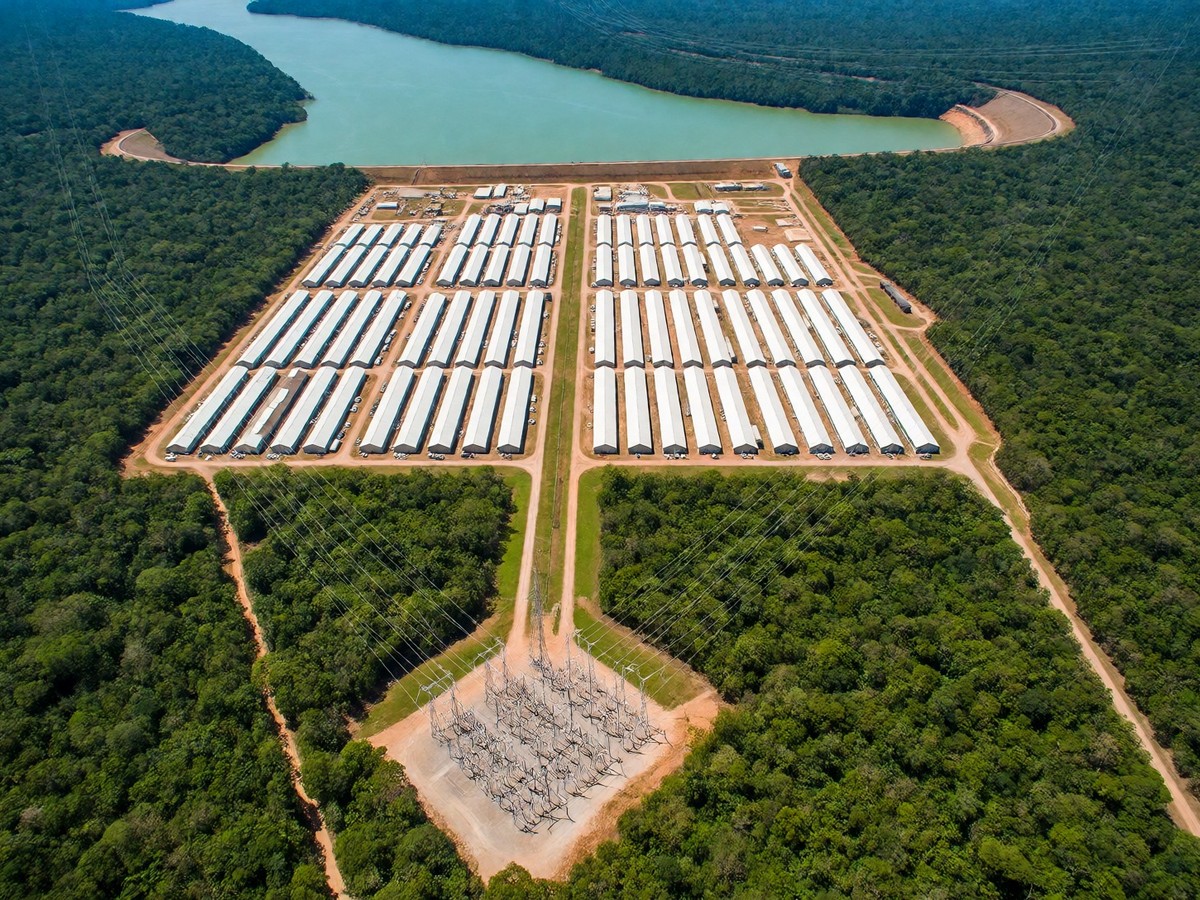
Paraguay’s Itaipu Dam generates 14 gigawatts of capacity, yet the nation consumes less than 25% of that output. This surplus creates a mining environment where electricity costs as low as $0.033 per kWh, making it one of the most attractive destinations for Bitcoin operations globally. The site previously operated by Bitfarms in Yguazu now runs under Hive Digital after a $56 million acquisition completed in January 2026. That facility draws renewable energy directly from the dam, boosting fleet efficiency to approximately 18.5 J/TH. For operators seeking stable margins, this hydro-powered infrastructure provides a structural cost advantage over fossil fuel-dependent regions.
Power Economics and Site Capacity
The financial foundation of any Paraguay deployment rests on the power purchase agreement (PPA) with ANDE, the state-owned utility. Bitfarms secured an additional 100 MW at its Yguazu site, doubling total capacity to 200 MW at a contractual cost of about $39 per MWh before VAT. This rate remains competitive despite ANDE implementing 13-16% monthly increases in electricity rates specifically targeting industrial miners in 2024. The Paraguayan Chamber of Digital Asset Mining warned these hikes could "kill off" the industry, yet the base rate still undercuts many Western alternatives. Hive Digital expects to reach 25 EH/s by November, which would push daily production to 12 BTC and improve fleet efficiency to 17.5 J/TH. These figures demonstrate how securing long-term contracts locks in profitability even when spot prices fluctuate.
| Metric | Value |
|---|---|
| Base Electricity Rate | $39/MWh (pre-VAT) |
| Total Site Capacity | 200 MW |
| Projected Hashrate | 25 EH/s |
| Daily Production Target | 12 BTC |
| Fleet Efficiency | 17.5 J/TH |
You already know that residential panels cap out around 200A, so the scale here is different. Industrial sites require high-voltage substations, like the 240 MVA unit included in the Yguazu acquisition. Without this infrastructure, you cannot connect to the grid effectively. The difference between a home setup and a 200 MW facility is not just size; it is access to dedicated circuits that handle high-density loads without tripping breakers at 3 AM.
Regulatory Framework and Licensing
Operating legally in Paraguay requires navigating a licensing system administered by the Ministry of Industry and Commerce. As of 2024, the country maintains 45 licensed cryptocurrency mining companies, with another 20 applicants seeking approval for a total proposed capacity of roughly 2,000 MW. This regulatory clarity contrasts sharply with jurisdictions that have enacted outright bans. However, the landscape remains fluid. In April 2024, lawmakers introduced a bill proposing a 180-day ban on mining, citing grid stability concerns. Senator Salyn Buzarquis led efforts to suspend that proposal, arguing the sector provides significant economic benefits. The Senate subsequently approved declarations supporting local and foreign investment infrastructure.
Enforcement against illegal mining is strict. ANDE estimates each instance causes damages up to $94,900, with annual losses potentially reaching $60 million. Recent legislation increases maximum sentences for energy theft to 10 years in prison and empowers authorities to confiscate equipment. Law enforcement seized over 10,000 ASIC machines and 50 transformers throughout 2024. Compliance is non-negotiable; working with licensed operations ensures your revenue stream does not face sudden legal interruption.
Operational Setup and Cooling Solutions
The tropical climate of Paraguay demands effective cooling solutions to maintain optimal hardware performance. Standard air cooling struggles with the ambient heat, leading to increased energy consumption and reduced lifespan. Bitkern Group has announced partnerships offering hosting services for hydro-cooled S21 devices housed in Bitmain’s HK3 containers. This collaboration utilizes advanced liquid-to-chip cooling technology, dissipating heat directly during mining operations. The result is higher computational power and dramatically reduced energy consumption for air conditioning.
Logistics present another challenge. Importing equipment requires significant coordination, and maintenance access can be limited compared to North American sites. Operators must plan for remote management capabilities or establish local technical teams. A truly turnkey operation should require less than 15 minutes of your time per month once deployed, but achieving that in a new jurisdiction takes preparation. Verify that your provider offers on-site repair capabilities, such as fan replacements and firmware updates within 24 to 48 hours. Shipping broken machines out for factory repair results in weeks of downtime, eroding the margin gains from cheap electricity.
Will the 2026 regulatory changes stabilize the market, or will further legislative initiatives create uncertainty for existing licensees?