 Bitcoin News
Marathon Digital and the 114 year Bitcoin issuance gap

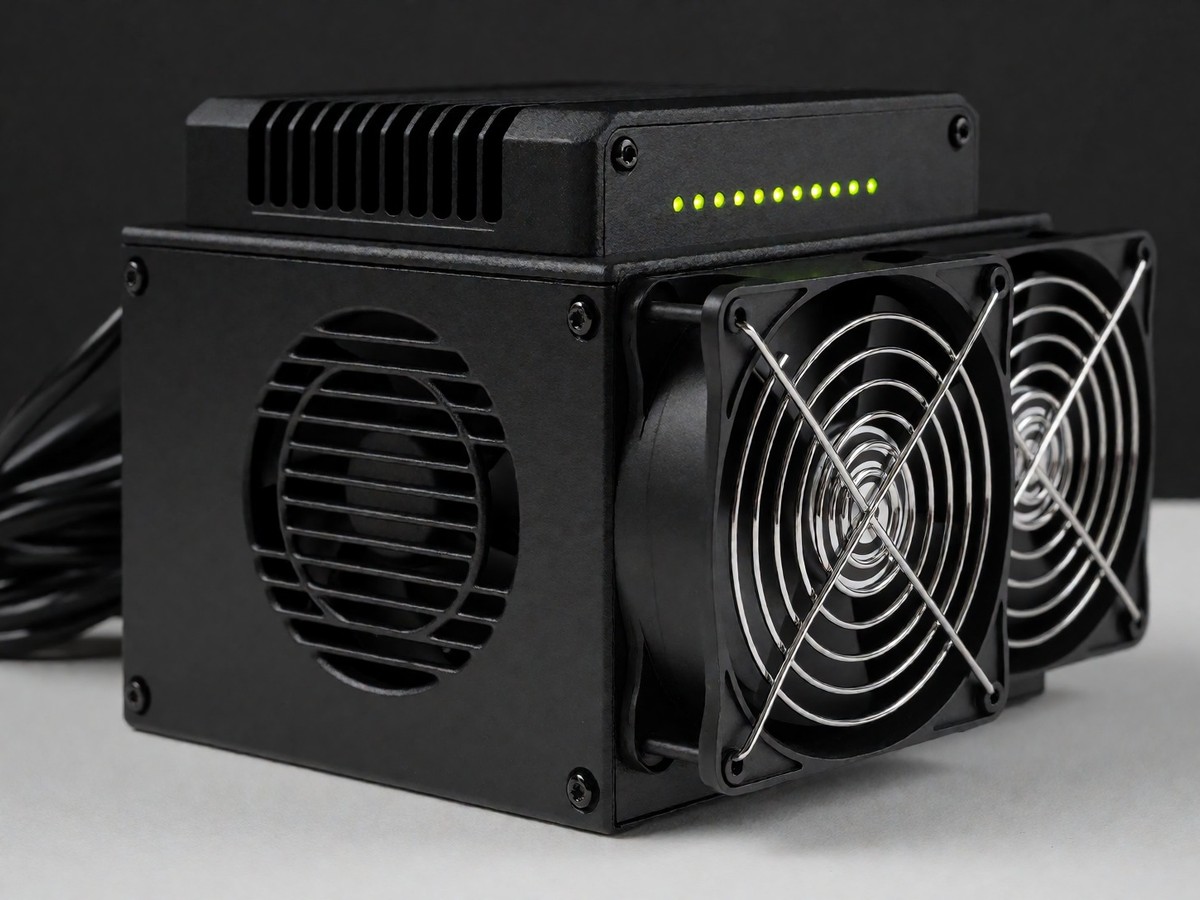
Bitcoin mining requires massive computational power to secure a network where issuance slows predictably. Data confirmed by Cointelegraph and Hokanews shows it took 6,267 days to mine the first 20 million BTC. The next one million coins will take an estimated 114 years to mine because the halving mechanism reduces block rewards by 50% every 210,000 blocks.
Mining efficiency and hardware shifts
The industry faces intense pressure to adopt efficient hardware as rewards decrease. Miners running hardware above 25 joules per terahash operated at a loss in most electricity markets after the 2024 halving. In contrast, machines like the Antminer S21 XP produce output at 13.5 J/TH. This efficiency gap forces smaller operators to pool resources or move to cloud mining to stay viable.
Marathon Digital Holdings manages this through aggressive scaling and hardware upgrades. In August 2023, the company increased its U.S. operational hash rate to 19.1 exahashes by swapping Bitmain S19 J Pro miners for more efficient S19 XPs. By March 2024, Marathon reported an average operational hash rate of 18.3 exahash, a 4% monthly increase. Once the transition of 9,500 miners from Ellendale to Garden City finishes, the operating fleet will reach approximately 235,000 miners with a theoretical capacity of 29.8 EH/s.
| Metric | Value |
|---|---|
| Marathon Unrestricted BTC (March 2024) | 17,381 BTC |
| Marathon Combined Cash and BTC (March 2024) | $1.6 billion |
| Antminer S21 XP Efficiency | 13.5 J/TH |
| Bitcoin Production Cost Estimate (JPMorgan) | $77,000 per BTC |
Treasury management during volatility
Large miners use sophisticated treasury strategies to manage liquidity when prices fluctuate. Marathon Digital moved 1,318 Bitcoin, valued at roughly $86 million, to three institutional providers during a period when Bitcoin traded near $64,644. These recipients included BitGo for custody, Two Prime for investment management, and Galaxy Digital for financial services. This move follows a pattern where companies reposition assets to preserve capital during market downturns.
You should recognize that these transfers do not always signal a sell-off. Marathon holds approximately 53,250 Bitcoin, making it the second largest corporate holder after MicroStrategy. The company often holds mined Bitcoin to bet on future price increases rather than liquidating everything to cover costs. However, the industry faces real risks from energy price spikes and regulatory changes. If electricity costs rise suddenly, mining margins can vanish.
Profitability and the difficulty adjustment
The relationship between hash rate and profitability dictates which miners survive. In late January 2026, daily revenue dropped to yearly lows of $28 million. This occurred while the difficulty hit an all-time high and the hash rate crossed 1 ZH/s. When weak miners exit the market because they cannot cover costs, the network difficulty drops, which helps remaining miners recover their margins.
Efficiency determines if a firm stays profitable when the hashprice falls. In 2026, the hashprice collapsed 66% from the October 2025 peak. Most miners struggle when the hashprice drops below $40 per petahash per second. Even the Antminer S19XP faces challenges at those levels for operators paying average electricity rates. Will the current difficulty spike allow enough margin for the next cycle?
| Platform | LTV | APR Range | Collateral Model |
|---|---|---|---|
| ViaBTC | 60% | 9.9% (fixed) | Over-collateralized |
| Aave | 50 – 75% | 4 – 12% (variable) | Self-custodial |
| Nexo | Up to 90% | 6 – 12% (variable) | Centralized custodians |