 Bitcoin News
Marathon Digital vs Riot Platforms: Mining Strategy Comparison

Divergent financial strategies
I see Riot Platforms as the stronger play for growth while Marathon Digital provides a cheaper entry for those betting on a Bitcoin price surge. Riot holds a massive $8.6 billion market capitalization, which dwarfs the software industry median of $1.0 million. Riot’s stock climbed 81.5% throughout 2026, while Marathon’s price rose only 39.8% during the same period, even as the total cryptocurrency market capitalization exceeded the $3 trillion mark. You should watch the debt levels closely, as Riot maintains a conservative 25% debt-to-equity ratio, while Marathon carries a much higher 70% leverage. Riot’s revenue reached $674.5 million in the trailing twelve months, though Marathon led with $804.2 million. Marathon’s net profit margin sits at a staggering -429.7%, which makes its higher revenue less impressive. Marathon also issued $1 billion in zero-coupon convertible bonds maturing in 2032, which follows a second quarter where they raised $204 million through share sales. Marathon also withdrew $150 million from its interest-bearing credit line in the first quarter. Marathon reported a trailing twelve-month net income of $927 million, whereas Riot reported $164 million.
The mining difficulty landscape
The current mining environment pressures both companies as the 3.125 BTC block subsidy stays low. Bitcoin difficulty hit 132.76 trillion on September 28, 2026. This forced miners to contend with higher computational requirements. The global hash rate grew to an average of 1,031 EH/s in late 2025, and this created a competitive landscape. Bitcoin price reached approximately $85,800 on September 22, 2026, following a rally that began in late August from lows near $76,000. Marathon follows a strict 100% HODL policy to maximize long-term value. They hold a treasury of 35,577 BTC to serve as a balance sheet cushion. Riot takes the opposite path by selling nearly all its production to cover operational costs. In one recent quarter, Riot sold 96.5% of its 1,427 mined bitcoins to fund expenses. This liquidity provides Riot flexibility during market dips. Miners also face high costs for GPUs and memory products as they pivot toward artificial intelligence.
| Metric | Riot Platforms | Marathon Digital |
|---|---|---|
| Market Cap | $8.6 billion | $4.8 billion |
| 2026 YTD Return | 81.5% | 39.8% |
| Debt-to-Equity | 25% | 70% |
| Net Profit Margin | -196.28% | -429.71% |
Infrastructure as a buffer
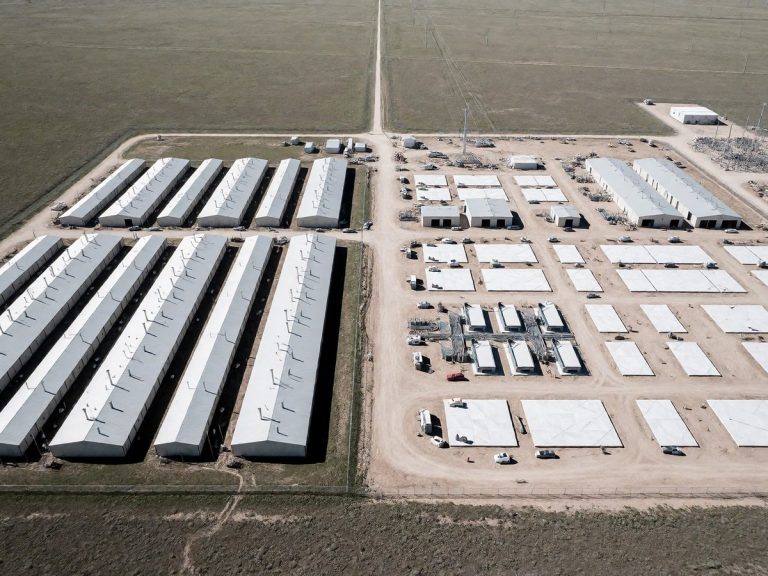
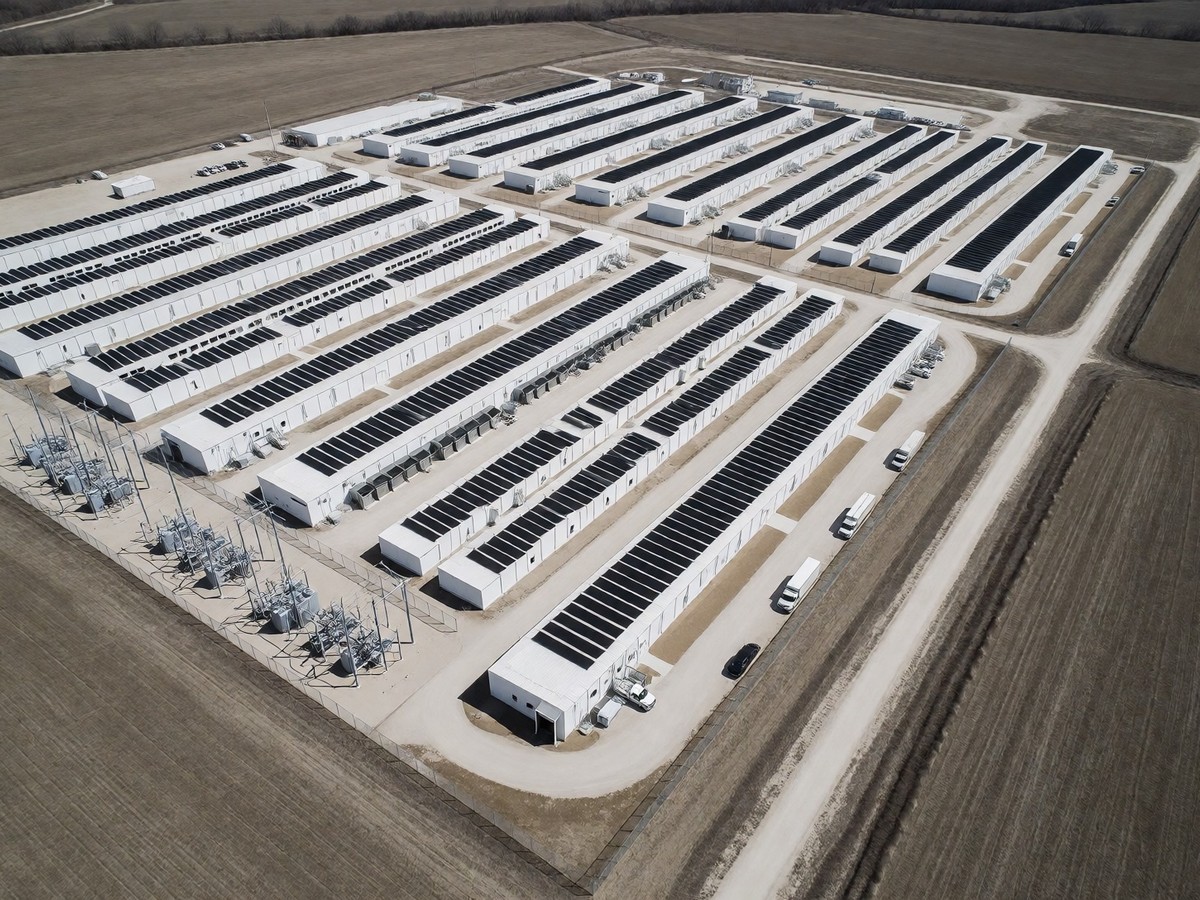
Riot is clearly the winner for investors seeking infrastructure stability. The company has 241 MW of contracted critical IT capacity at its Rockdale campus and holds 50 MW of capacity contracted with AMD. This data center expansion provides a buffer against the mining revenue crunch. In the first quarter of 2026, Riot reported $33.2 million in data center revenue out of $167.2 million in total revenue. Riot also earned $22.2 million in engineering revenue. Marathon also expands into AI, but its heavy debt increases construction costs, which complicates its long-term strategy. The 4.8 GW land pipeline for Marathon requires significant capital. Will Marathon’s Bitcoin treasury offset these rising infrastructure costs? I find Riot’s lower leverage and massive $9.8 billion in long-term contracted revenue more reliable.