 Bitcoin News
Tether’s October 2026 reserve backing and Cantor Fitzgerald role


The shrinking reserve cushion
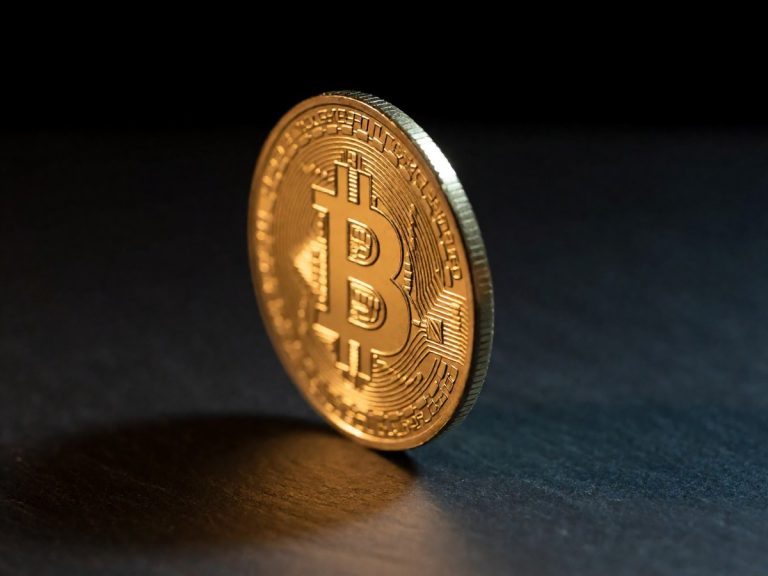
I see a shrinking margin of safety in the latest Tether figures. The June 30, 2026, BDO attestation shows total assets at $187.75 billion against $183.64 billion in liabilities. This leaves a buffer of $4.11 billion, which is a sharp drop from the $8.23 billion recorded in the first quarter. The USDT circulation reached $184.6 billion at the end of the quarter, an increase of $446 million from the first quarter. This growth gives the issuer more than 60% of the global stablecoin market. Tether generated $1.5 billion in net operating profit during this period. While the company grows, its cushion against market volatility contracts. The reserve mix shifted toward gold as Bitcoin value fell. Gold holdings reached 146.2 metric tons with a dollar value of $18.84 billion, or 10.03% of total reserves. Bitcoin holdings fell to $5.80 billion, or 3.1% of reserves, as the price per coin slid to $58,600. Tether cut its secured lending exposure by about $2.4 billion, or 15%, during the quarter. The company also grew its global user base by over 30 million users, bringing its total users to over 500 million.
Cantor Fitzgerald and the Senate
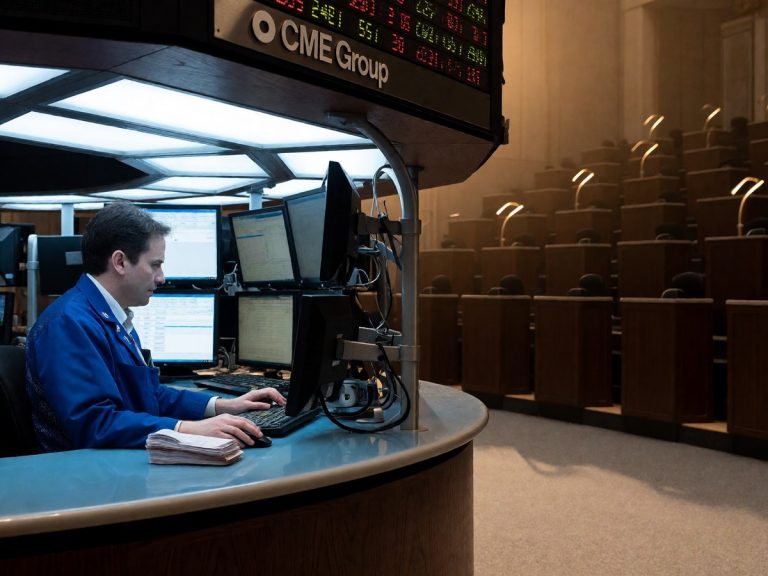
Cantor Fitzgerald manages the vast majority of Tether’s US Treasury reserves. This brokerage firm holds 99% of the Treasury holdings used to back USDT. Senator Richard Blumenthal sent a formal request to Cantor CEO Brandon Lutnick on October 8, 2026, to examine the relationship between the firm and Tether following reports about USDT usage in Iran’s shadow banking network. He wants to know how Cantor polices sanctions risk and whether it reviewed terminating the partnership. He also asked for details on Howard Lutnick’s divestiture from Cantor and whether Tether provided any financing to the Lutnick family to facilitate the ownership transfer to his children. This request follows allegations that Lutnick received a $192 million distribution from Cantor. Cantor also holds a 5% equity stake in Tether worth $600 million. The firm began acting as a custodian for a portion of Tether’s reserves in 2021. You know as well as I do that political scrutiny changes how custodians behave. Does the current Senate investigation force a change in how Cantor handles these billions?
The GENIUS Act compliance gap
The GENIUS Act creates a direct problem for Tether’s current reserve strategy. This law requires stablecoin reserves to consist of high-quality liquid assets like cash, T-bills with maturities under 93 days, and money market funds. The law excludes gold and Bitcoin from being counted as eligible collateral. Tether’s June 30, 2026, report shows that gold and Bitcoin combined make up 13.13% of its total reserves. This composition means Tether does not meet the statutory definition of eligible collateral under the law. Tether has frozen nearly $550 million in Iran-linked USDT this year. The company also expanded its USDT supply on the TRON network, which carries $92.3 billion, while the Ethereum supply stands at $86.34 billion. High fees on the Ethereum blockchain drive many users toward the TRON network for remittance flows. Tether’s growth in 2025 included an expansion of $50 billion in USDT.
Solvency versus liquidity
I conclude that Tether remains solvent on paper but faces increasing regulatory and liquidity pressure. The company reports $187.75 billion in assets against $183.64 billion in liabilities, leaving $4.11 billion in excess reserves. The liquidity core stays heavy with $140.6 billion in cash and short-term deposits. This includes $114.96 billion in T-bills and $18.63 billion in overnight reverse repo agreements.
| Category | Amount (USD) | Percentage |
|---|---|---|
| Cash and Short-term Deposits | $140.60B | 74.91% |
| Precious Metals (Gold) | $18.84B | 10.03% |
| Bitcoin | $5.80B | 3.10% |
| Secured Loans | $13.45B | 7.17% |
| Other Investments | $5.24B | 2.79% |
| Corporate Bonds | $0.00 | 0.00% |
| Total Assets | $187.75B | 100.00% |
The concentration of assets in a single custodian and the exclusion of Bitcoin from legal definitions create risks. The $4.11 billion cushion is the only thing standing between Tether and a liquidity crisis if mass redemptions occur. Redemption of tokens carries a 10 basis point fee. The firm also holds $6.99 billion in term reverse repurchase agreements. This makes the reserve composition very sensitive to how fast these assets convert to cash during a market panic.