
 Bitcoin News
The economics of Bitcoin hashrate migration in South America

Bitfarms expands in Paraguay as Argentina remains attractive
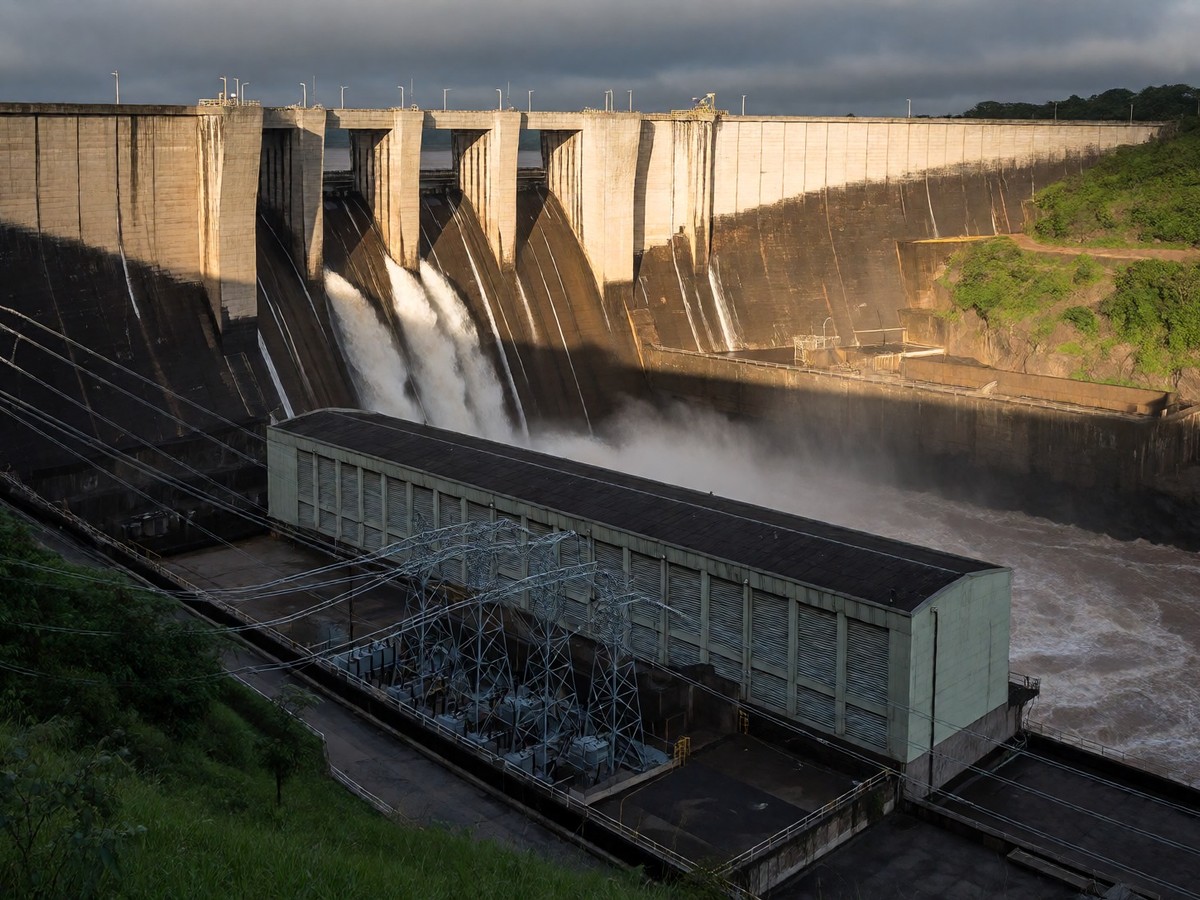
Bitfarms doubled its capacity at the Yguazu site to 200 MW through a 100 MW amendment to its existing power purchase agreement. This expansion uses hydropower at 3.9 cents per kWh. The company maintains facilities in Argentina where it expects to pay $0.03 per kWh. Argentina uses subsidized electricity to attract miners, while Paraguay relies on the 7,000 MW share from the Itaipu Dam to fuel its 4.3% share of global Bitcoin hashrate, which equals 43 EH/s as of Q2 2026. The nation’s electrical grid runs on 100% renewable energy, using the Itaipu, Yacyreta, and Acaray plants. The Yacyreta Dam adds 1,600 MW for Paraguay, and the Acaray facility provides 210 MW of national capacity. The Itaipu Dam alone has a total installed capacity of 14,000 MW. The proximity to these power sources minimizes transmission losses, which helps keep operational costs low.
Large scale infrastructure wins in Paraguay
The Paraguayan market split in 2026. Large players like HIVE Digital, which bought Bitfarms’ Yguazu facility for $56 million in January 2025, control 300 MW of capacity. These institutional miners build high-tension infrastructure to secure lower rates. Medium-tension rates rose from $0.03/kWh to $0.051/kWh and recently reached $0.06/kWh. ANDE also requires a deposit of three months of energy costs, meaning a 40 MW operator must reserve $4.5 million. Smaller operators like Alps are looking at Bolivia and Venezuela. The combination of rising medium-tension rates, heavy guarantee deposits, and the looming contract expiration deadline forces mid-tier operators to either build expensive high-tension substations or exit the Paraguayan market entirely to seek better returns. HIVE operates two sites in Paraguay: Yguazu with 240 MW capacity and Valenzuela with 160 MW capacity. At Yguazu, HIVE uses a mix of 56.4% air-cooled hardware and 43.6% liquid-cooled units. The 41 legal crypto clients in Paraguay reserve 943.8 MW, which equals 13.5% of the Itaipu allocation, according to Bloomberg Linea Brasil. Penguin Group operates a 28 MW data center with 200 kW per rack density using direct-to-chip liquid cooling.
Will AI replace Bitcoin as the primary load?
The December 31, 2027, ANDE contract expiration cliff dictates current strategy. Penguin Group, which signed the first 100 MW power purchase agreement, now moves its focus toward AI compute. The Paraguayan government established a new tariff structure for AI and high-performance computing with a 15-year price outlook denominated in USD. HIVE also uses Bitcoin mining profits to build Tier III+ AI data centers in Canada. You should monitor how these companies handle the shift to AI as they approach the 2027 deadline. The electricity for mining comes from the Itaipu and Yacyreta dams, and the government is even exploring using 1,500 confiscated machines for its own pilot mining project. This pilot uses Morphware to deploy 1,500 ASIC miners, according to reports from Bitcoin Magazine. The government also requires full energy sourcing transparency and regular audits to prevent impacts on domestic consumers or the grid. Will the transition to AI infrastructure occur before the current Bitcoin contracts expire?
| Source | Capacity | Rate |
|---|---|---|
| Itaipu Dam (Paraguay share) | 7,000 MW | Surplus |
| Yacyreta Dam (Paraguay share) | 1,600 MW | Surplus |
| Acaray Dam | 210 MW | National |
| Bitfarms Yguazu | 200 MW | $0.039/kWh |