 Bitcoin News
The El Zonte experiment and El Salvador’s Bitcoin movement

The El Zonte experiment
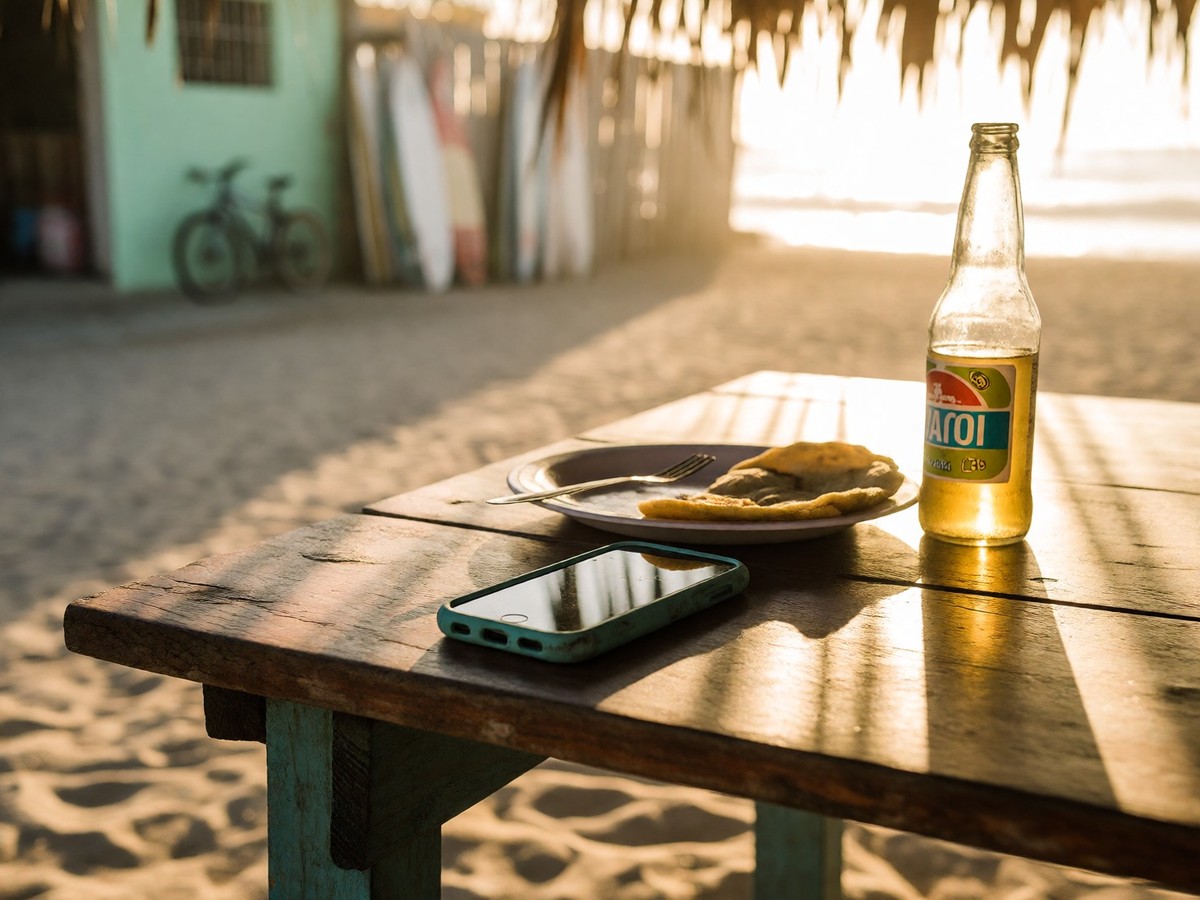
I see the El Zonte experiment as the foundation for the national movement. In 2019, Michael Peterson and an anonymous American donor started the Bitcoin Beach project in the small surfing village of El Zonte, where they sent over $100,000 in cryptocurrency to an NGO to fund social programs. This anonymous donor from California specified that the Bitcoin should not be converted into fiat currency. The project aims to create a circular economy where the 3,000 residents use Bitcoin for daily life. Workers receive wages in Bitcoin and tourists pay for food using Bitcoin apps. Jorge Valenzuela, a 32-year-old surfer, leads a team of local volunteers and American expats who work to convert the local economy. The town has no bank but has one ATM for buying and selling Bitcoin. The movement addresses the fact that 70% of the Salvadoran population is unbanked and many depend on remittances. Jack Mallers, the founder of the startup Strike, discussed these financial injustices at a conference in Miami where 12,000 people gathered. He noted that the lack of banking options in El Salvador forces people to flee or resort to crime. The Bitcoin Beach Twitter account has amassed more than 27,000 followers since the project started in 2019.
The Bukele administration
Nayib Bukele moved the Bitcoin experiment from the beach to the national stage in 2021. He announced the plan to make Bitcoin legal tender during a conference in Miami in May 2021. The Legislative Assembly approved the law in only three hours. The government launched the Chivo digital wallet to encourage transactions and gave every citizen $30 in Bitcoin to encourage downloads. The administration also created FIDEBITCOIN with a $150 million initial transfer to support the conversion from dollars to Bitcoin. The government spent $200 million of taxpayer money on the project, which equals 2.7% of the 2021 budget. This spending arrived after the public debt reached 95.4% of GDP in 2020. The government also created the National Bitcoin Office, led by Stacy Herbert and Max Keiser, to manage the initiative. Bukele also proposed building a Bitcoin City and issuing Volcano Bonds to finance such projects. The 2020 Digital Agenda and the National Financial Inclusion Policy of March 2021 provided the strategic framework for this expansion. However, the International Monetary Fund criticized the move and pressured El Salvador to change its approach to ensure financial stability. Following an agreement with the IMF, the Legislative Assembly removed the obligation for merchants to accept Bitcoin in 2025. This policy change made Bitcoin use voluntary for the private sector and decommissioned the state-owned Chivo wallet.
Economic impact and remittance flows
The economic impact of Bitcoin in El Salvador shows specific trends in tourism and money transfers. Tourism in the country grew by 30% in the months following the Bitcoin law in 2021. This growth occurred because the law attracted tourists from the United States, who now make up 60% of all visitors. Remittances account for 24% of the GDP in 2024, with 98% of these funds coming from the United States. While Bitcoin offers a way to reduce fees, the actual use of crypto for remittances remains low. Manuel Orozco of the Inter-American Dialogue notes that crypto remittance volume did not exceed $300 million out of $135 billion in total remittances last year. In March 2022, family remittances via crypto wallets represented only 1.62% of all remittances received. You already know the volatility of Bitcoin makes it difficult to use for every transaction, so look at the specific remittance volumes.
| Economic Metric | Data Point |
|---|---|
| Remittance share of GDP (2024) | 24% |
| US share of remittances | 98% |
| Chivo Q4 2021 capture | $57 million |
| Chivo Q1 2022 capture | $12 million |
| Tourism growth (2021) | 30% |
The implementation of Bitcoin in El Salvador follows a pattern seen in other emerging economies. In Brazil, users adopted mobile banking quickly during periods of hyperinflation. In India and Kenya, digital wallet applications flourished among populations without access to traditional banks. El Salvador uses Bitcoin as an alternative to the restrictions of the U.S. dollar, which the country adopted in 2001.
The 2026 sovereign reserve
The government continues to hold a large Bitcoin reserve as of 2026. In early May 2026, the national strategic reserve reached 7,643 bitcoins. Authorities added more than 1,600 coins between January and April 2026 alone. This accumulation represents an investment of over $600 million. The government uses a strategy of buying small amounts regularly to manage market volatility. This strategy follows the 2022 announcement that the government would buy one Bitcoin every day. During the 2021-2022 cryptocurrency crash, the value of Bitcoin dropped by 70% compared to its November 2021 peak. President Bukele invested approximately $150 million during this period, which was 4% of the national reserves. He frequently used social media to announce that he was "buying the dip." In the first quarter of 2026, transfers sent through cryptocurrency wallets grew by nearly 50% compared to the same period in 2025. These digital transactions reached approximately $17 million. Will the government continue its daily purchases if the price remains below the initial investment levels? The country remains a major participant in the global crypto market.