 Bitcoin News
The history of Bitcoin Pizza Day and its cultural legacy


The 2010 Pizza Exchange
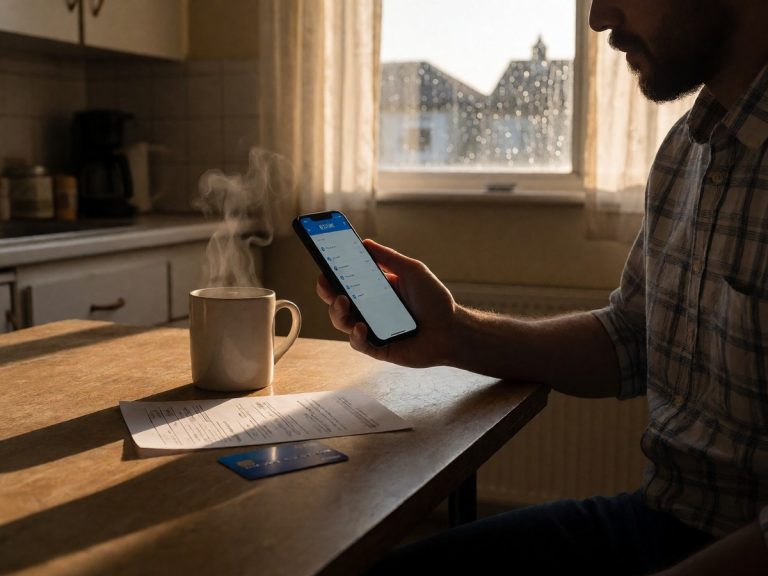
Laszlo Hanyecz, a programmer in Jacksonville, Florida, paid 10,000 BTC for two pizzas in 2010. He posted an offer on the BitcoinTalk forum on May 18. He wanted someone to order two large pizzas for him. He wanted the food delivered to his house. He requested toppings like onions, peppers, sausage, mushrooms, tomatoes, and pepperoni. He also liked regular cheese pizzas. On May 22, 2010, Jeremy Sturdivant accepted the offer. Sturdivant used the handle jercos. Sturdivant, who was only 19 years old and active in Bitcoin forums, used his credit card to order the pizzas from a Papa John’s on Atlantic Boulevard while Hanyecz sent the 10,000 BTC in return. The total expenditure was 10,001 BTC because the transaction included a 1 BTC fee. At that time, the 10,000 BTC was worth about $41. This transaction occurred in block 57,043. Hanyecz was one of the first 1,000 miners. He developed software to use GPUs instead of CPUs. He also wrote the first MacOS-compatible Bitcoin client. He was part of the small group of developers who corresponded with Satoshi Nakamoto. He said he only needed to validate 200 blocks to recoup the 10,000 BTC since miners earned 50 BTC per block. Sturdivant spent the Bitcoin to travel the world and buy video games. He did not regret the trade. I find the idea that a single meal cost 10,000 BTC absurd.
The Growth of Merchant Services
BitPay provides cryptocurrency payment services for merchants. The company started in May 2011. Tony Gallippi and Stephen Pair founded the company. It moved its headquarters from Orlando to Atlanta in 2013. This move followed a $510,000 seed funding round. BitPay reached 10,000 merchants in 2013. The company expanded to San Francisco, New York, Amsterdam, and Argentina. In 2014, the Sacramento Kings used BitPay for tickets and merchandise. In 2016, BitPay launched a prepaid Visa debit card. Since then, companies like AMC Theatres and Gucci have used the service. BitPay also sued an insurance provider in 2015 after a 5,000 BTC theft. The company received $30 million in 2014 from Index Ventures, RRE Ventures, the Virgin Group, and Jerry Yang. BitPay was the merchant for WordPress in 2012. In 2014, BitGive became the first Bitcoin charity to receive 501(c)(3) status. You should look at how much the payment infrastructure changed since the forum days.
Technical Milestones and State Adoption
Laszlo Hanyecz continued to use Bitcoin for food in later years. On February 25, 2018, he bought two Papa Johns pizzas using the Lightning Network. The purchase cost 0.00649 BTC. A friend in London arranged the delivery. Hanyecz used c-lightning to inspect the payment. The restaurant did not need a Lightning node to receive the 0.00649 BTC. The BOLT11 invoice was for 649,000,000 millisatoshis. In 2021, El Salvador adopted Bitcoin as legal tender. A reform in January 2025 removed the requirement for businesses to accept it. This change makes the legal tender status in El Salvador effectively dead in practice. The 10,000 BTC spent by Hanyecz in 2010 now equals a massive amount of money. Will any other transaction ever reach this level of notoriety?
The 2026 Landscape of Crypto Payments
Exchanges compete for users during the anniversary in May. Binance uses million-dollar reward pools for team buying competitions. OKX focuses on card rebates. Phemex promotes trading in oil, stocks, and other assets. In 2026, a person can use a Bitcoin ATM to exchange cash for digital assets in minutes. This technology connects physical money to digital value. Bitstop provides Bitcoin ATMs where identity verification is required. Users can enter a promo code to get discounts. The Bitstop promo code PIZZA20 is valid from May 22, 2026, to June 30, 2026. This code is limited to one use per verified customer.
| Feature | Binance | OKX | Phemex |
|---|---|---|---|
| Main focus | Trading rewards | Payments | Multi-asset trading |
| Users | Global retail traders | Spenders | Active traders |
| Risk | Overtrading pressure | Payment regulation | Market volatility |