 Bitcoin News
The new Lightning merchant hierarchy and payment dominance

Shift in payment dominance
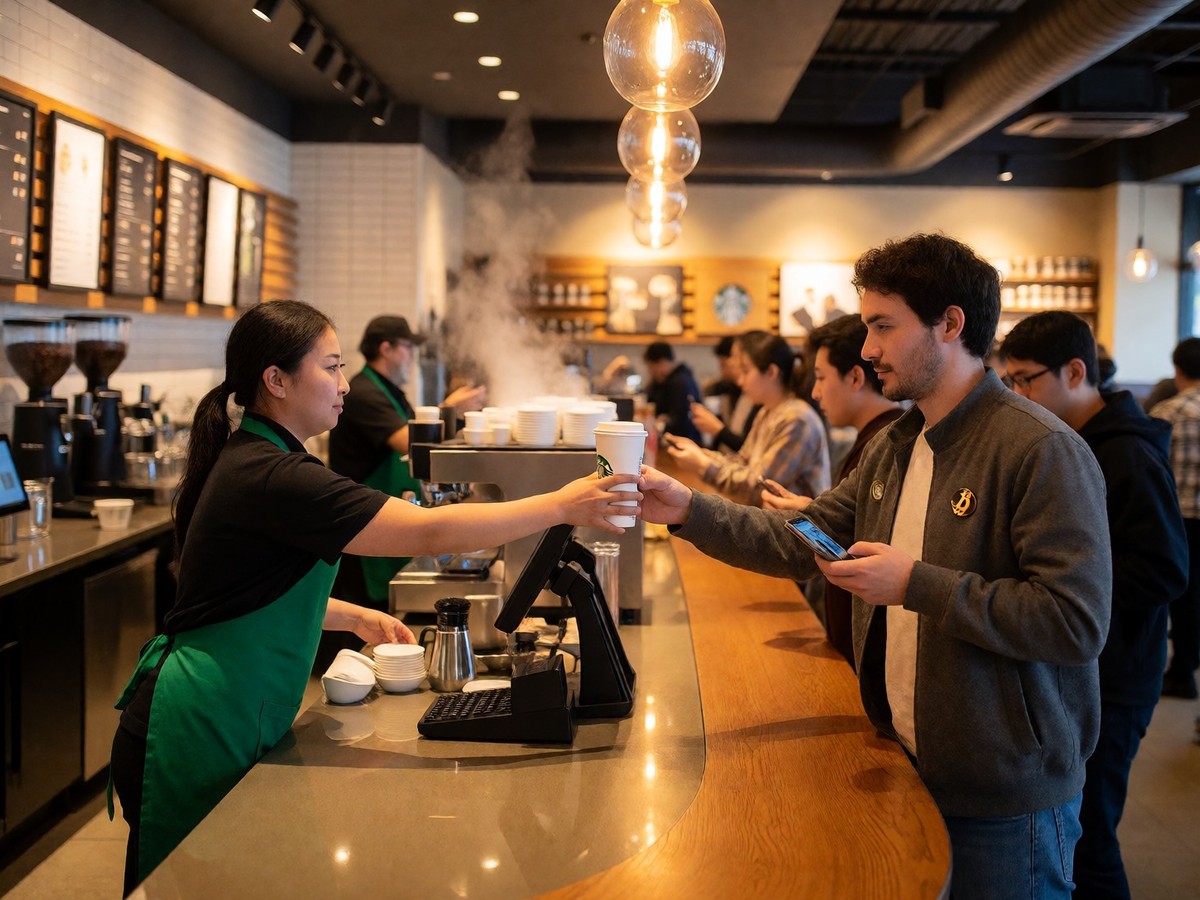
Strike’s September 2026 Starbucks partnership now exceeds BitPay’s merchant volume. This shift follows years of expansion where Lightning transaction volume hit $1.17 billion in November 2025, representing 266% year-over-year growth across 5.22 million transactions. While transaction counts fell as gaming micropayment experiments faded, the average Lightning transaction reached $223 in late 2025. Most users transferred larger sums between exchanges rather than small daily purchases. You should watch how this change impacts the 4 in 10 US merchants that PayPal research says now accept digital assets. BitPay saw monthly Lightning Network payments grow 238% since April 2022. At CoinGate, Lightning accounted for 16.6% of Bitcoin orders in Q2 2024, up from 6.5% in Q2 2022. The network reached an all-time capacity high of 5,637 BTC in December 2025 before settling to 4,898 BTC in May 2026. This capacity declined roughly 20% through most of 2025, dropping from 5,400 BTC in late 2023 to 4,200 BTC by August 2025. Monthly transactions reached approximately 12 million by late 2025. Node counts fell from a 2022 peak of 20,700 to 17,438 in May 2026.
Technical shifts and persistent friction
Technological updates change how the network functions. In May 2026, the Lightning Network held approximately 4,898 BTC in public channel capacity across 41,080 channels and 17,438 nodes, according to data from mempool.space that shows a decline from the December 2025 peak. The network faces ongoing structural issues. Inbound liquidity prevents new nodes from receiving payments until they open more channels. Management requires monitoring routing fees. These issues persist despite the arrival of Taproot Assets and USDT support in March 2026. Phoenix Wallet introduced Taproot channel support to reduce on-chain fees by 20 percent. LND lacks native BOLT12 support. Users often use the LNDK sidecar daemon instead. LND released version 0.20 to improve graph query speed by 95 to 99 percent. Most end users still use BOLT11 invoices. Eclair added support for simple Taproot channels with dual funding and splicing combined. LDK added splice-out support, switching its feature flag from experimental bit 155 to production bit 63.
Comparing platform utility
I find the difference in customer support between platforms massive. BitPay relies on automated bots and email tickets that take 24 to 48 hours to resolve issues. Users report that BitPay’s Trustpilot reviews average 1.2 out of 5 stars. In contrast, Paybis provides live human support with an average response time of 15 seconds.
| Platform | US Availability | Typical Fees |
|---|---|---|
| Strike | Yes | 0.39% to 0.99% |
| Cash App | Yes | 0.75% to 3% |
| BitPay | Yes | 1% to 2% plus $0.25 |
Strike provides tiered trading fees ranging from 0.99% for small trades to 0.39% for trades over $15 million. It is available in 65 countries including the Philippines and Argentina. Cash App is limited to US residents and uses a variable spread of 0 to 1 percent. El Salvador’s Chivo wallet processed 4.2 million Lightning transactions in 2025, primarily for remittances and retail purchases. Bitnob facilitates salary payments in 23 African countries with 340 percent year-over-year volume growth. Machankura enables payments via USSD and SMS on feature phones in Ghana, Kenya, Malawi, Nigeria, South Africa, and Uganda. This service bridges the gap for users without smartphones. Nostr "zaps" passed 5 million cumulative transactions in May 2025, establishing a new micropayment culture. You can also use Oobit to pay at 150 million merchants where Visa is accepted. Can the network maintain this momentum if node counts continue to drop?