 Bitcoin News
The people shaping Bitcoin mining sustainability

The energy consumption reality
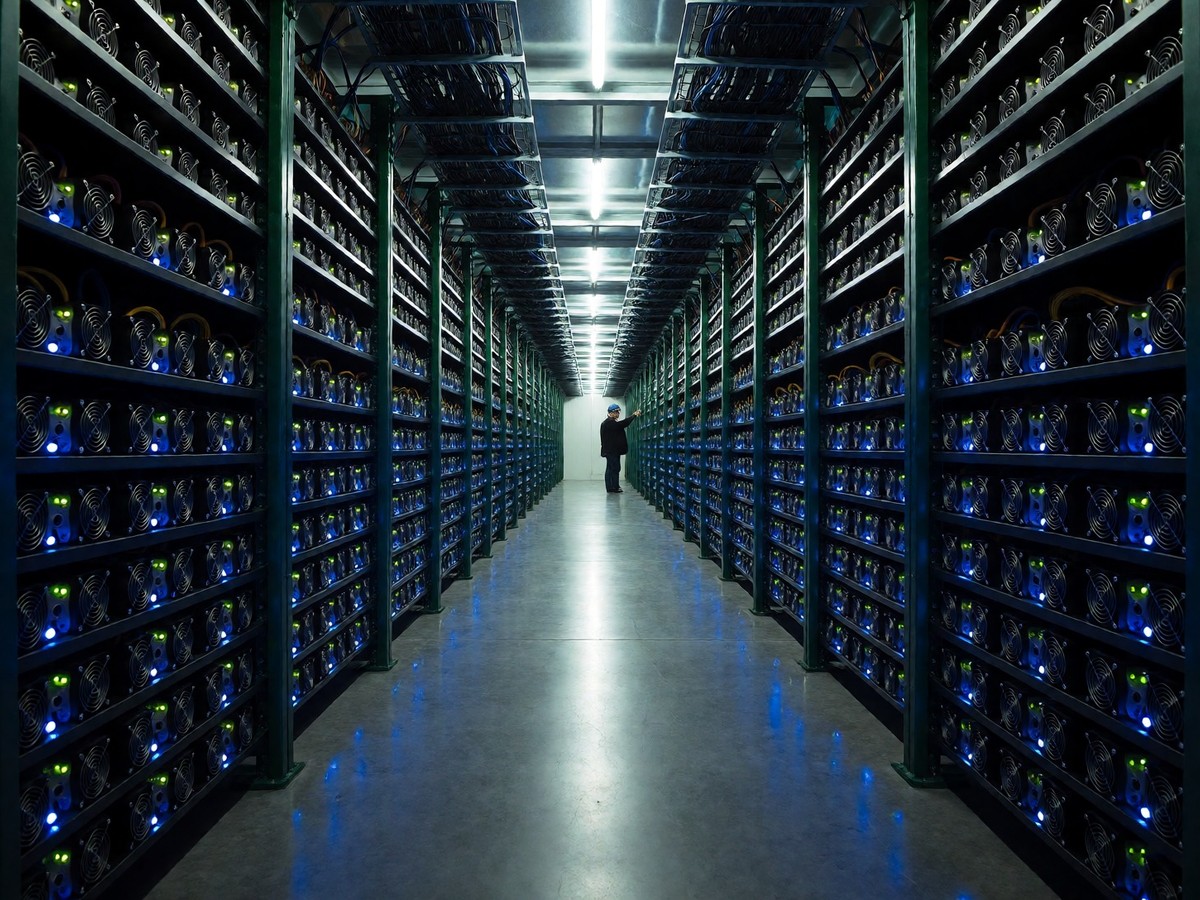
The energy usage of Bitcoin triggers intense debate between tech entrepreneurs and environmental activists. A report found that each Bitcoin transaction takes 1,173 KW hours of electricity, which can power a typical American home for six weeks. Another report calculates that the energy required by Bitcoin annually is more than the annual hourly energy usage of Finland, a country with a population of 5.5 million. While critics claim that increasing renewable energy usage for Bitcoin takes away from solar sources powering hospitals, factories, or homes, the mining community argues that the expansion of mining operations can help lead to the construction of new solar and wind farms that provide clean energy for other industries and various different sectors across the planet. Estimates suggest that Bitcoin’s use of renewable energy may span anywhere from 40-75%. You likely know the energy debate has long plagued Bitcoin mining, but the specific numbers tell a different story.
CleanSpark infrastructure and scale
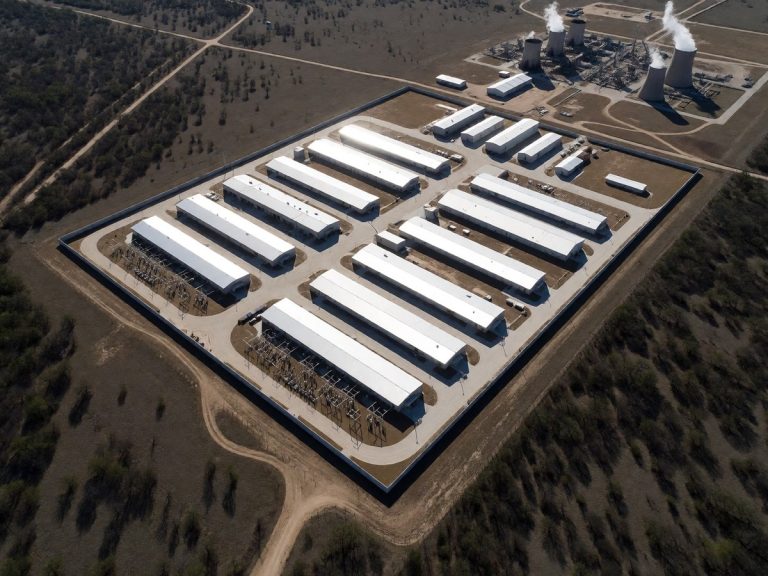
CleanSpark operates a multi-gigawatt portfolio of campuses in the United States to power intensive workloads. The company, headquartered in Henderson, Nevada, focuses on the intersection of energy and compute. It recently closed $2.276 billion in senior secured notes. While the company develops large-scale data centers, its net income for the trailing twelve months sits at a negative $1.03 billion.
| Metric | Value |
|---|---|
| Revenue (ttm) | $679.25M |
| Net Income (ttm) | -$1.03B |
| Market Cap (intraday) | $1.746B |
| Total Cash (mrq) | $202.63M |
| Total Debt/Equity (mrq) | 234.72% |
| 52 Week Range | $6.66 – $19.17 |
| Beta (5Y Monthly) | 3.65 |
CleanSpark, which was formerly known as Stratean Inc., maintains its operations in the Americas. The company’s market capitalization reaches $1.746 billion. Its revenue for the trailing twelve months reached $679.25 million.
Bitcoin growth and efficiency benchmarks
The competition to manage mining efficiency intensified following the 18% post-halving efficiency benchmark. Bitcoin mining uses a computationally intensive process based on proof of work. This process consumes large quantities of electricity to secure the network. Proponents argue this energy usage justifies the complex validation process that creates a more secure transaction system. They also note that the gold and banking sectors individually consume twice the amount of energy used by Bitcoin. The Bitcoin mining community points out that the expansion of mining can lead to the construction of new solar and wind farms. The Crypto Climate Accord proposes a plan to eliminate all greenhouse gas emissions by 2040.
The history of the network shows significant volatility and growth. Bitcoin’s market capitalization reached $1 trillion in February 2021. In December 2024, the price of Bitcoin reached $100,000. In 2021, El Salvador adopted Bitcoin as legal tender before a January 2025 reform removed obligations for businesses and the government to accept it.
Centralization and consensus concerns
The debate over the 42% pool dominance of Foundry USA touches on the fundamental nature of the network. Bitcoin works through the collaboration of computers that act as nodes. These nodes maintain an independent copy of a public distributed ledger, known as a blockchain, without central oversight. The network achieves consensus through proof of work performed by purpose-built computers. This system was designed to be decentralized, starting from the genesis block mined by Satoshi Nakamoto on January 3, 2009.
The mining landscape involves large-scale players who manage massive amounts of compute. As companies like Marathon Digital and CleanSpark expand their operations, the concentration of hashing power remains a topic of discussion. The industry continues to balance the need for industrial-scale efficiency with the original goal of a peer-to-peer network. Does the increasing concentration of mining power in massive pools eventually undermine the decentralized foundation of the network?