 Bitcoin News
Block Bitcoin treasury risks and Square revenue strengths

Block Bitcoin accumulation and market losses
Block holds 9,117 BTC as of June 30, 2026, after purchasing 234 additional bitcoins during the first half of the year. The company bought 149 BTC in the first quarter and 85 BTC in the second quarter. I favor this accumulation strategy despite the market volatility. Block recorded $261.3 million in remeasurement losses for the six months ended June 30, 2026, because Bitcoin prices declined. These holdings carry a fair value of $533.9 million against a cost basis of $310.2 million. This follows an increase from 8,883 BTC held at the end of 2025. The company also maintains 299 BTC for operating purposes, valued at $19.5 million, to facilitate Cash App transactions.
| Block Treasury Data (H1 2026) | Value |
|---|---|
| Total Bitcoin Holdings | 9,117 BTC |
| H1 Remeasurement Loss | $261.3 million |
| Q1 Bitcoin Purchases | 149 BTC |
| Q2 Bitcoin Purchases | 85 BTC |
Mining stress and regulatory hurdles
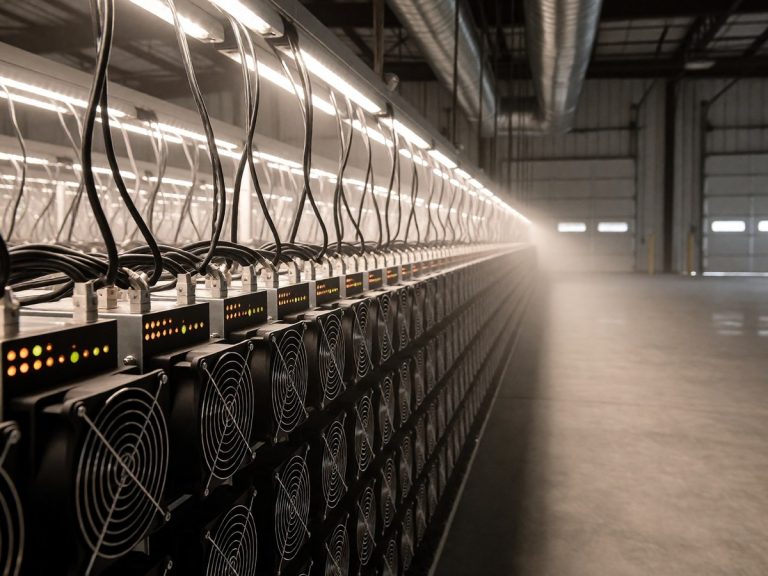
Bitcoin price correlation with the Nasdaq hit 0.96 in April 2026, meaning the asset moves in lockstep with technology stocks. This trend complicates the use of Bitcoin as an uncorrelated hedge. The mining difficulty fell from a late-2025 peak of 156 trillion to approximately 126 trillion by late July 2026. Publicly traded miners sold more than 32,000 BTC in the first quarter of 2026 alone, which surpassed their combined sales for all of 2025 and the 20,000 BTC sold during the Terra-Luna collapse. Such heavy selling surpassed the capacity of many holders. You already know how these concentrated liquidations affect the market.
The SEC postponed a scheduled vote on new capital-raising rules for crypto startups in mid-August 2026, citing a scheduling issue. This delay extends the uncertainty regarding whether Bitcoin remains a digital commodity. The CLARITY Act, which would formally divide crypto oversight between the SEC and CFTC, missed its September 15, 2026, Senate vote because of disagreements over stablecoin yield rules and ethics provisions. Will the Senate resolve these disagreements before the next session?
Square local economy networks
Square data shows that regular customers drive 6x more revenue for local businesses. In San Francisco, 67% of sellers connect to other nearby businesses through shared regulars. In Los Angeles, businesses earn $2,201 more in annual revenue per connection, while Chicago businesses earn $1,100 more and New York businesses earn $1,500 more. 32% of regular customers are shared between businesses in the same ZIP code. Regular customer revenue grew 7.67% in 2025, which outpaced the overall revenue growth of 6.97% for that year. Regular customers visiting a business at least four times per year generate 6x more annual revenue than one-time visitors nationally.
Block’s Bitcoin revenue grew 37.5% to $2.42 billion in the third quarter. Cash App revenue rose 34% to $3.58 billion during the same period. 75% of consumers plan to spend at least as much or more at local businesses over the next 12 months. 55% of consumers shop or dine at local businesses in their ZIP code at least weekly. In San Francisco, businesses earn $2,025 more in annual revenue per connection.