 Bitcoin News
Bhutan liquidates Bitcoin reserves as hydropower projects expand

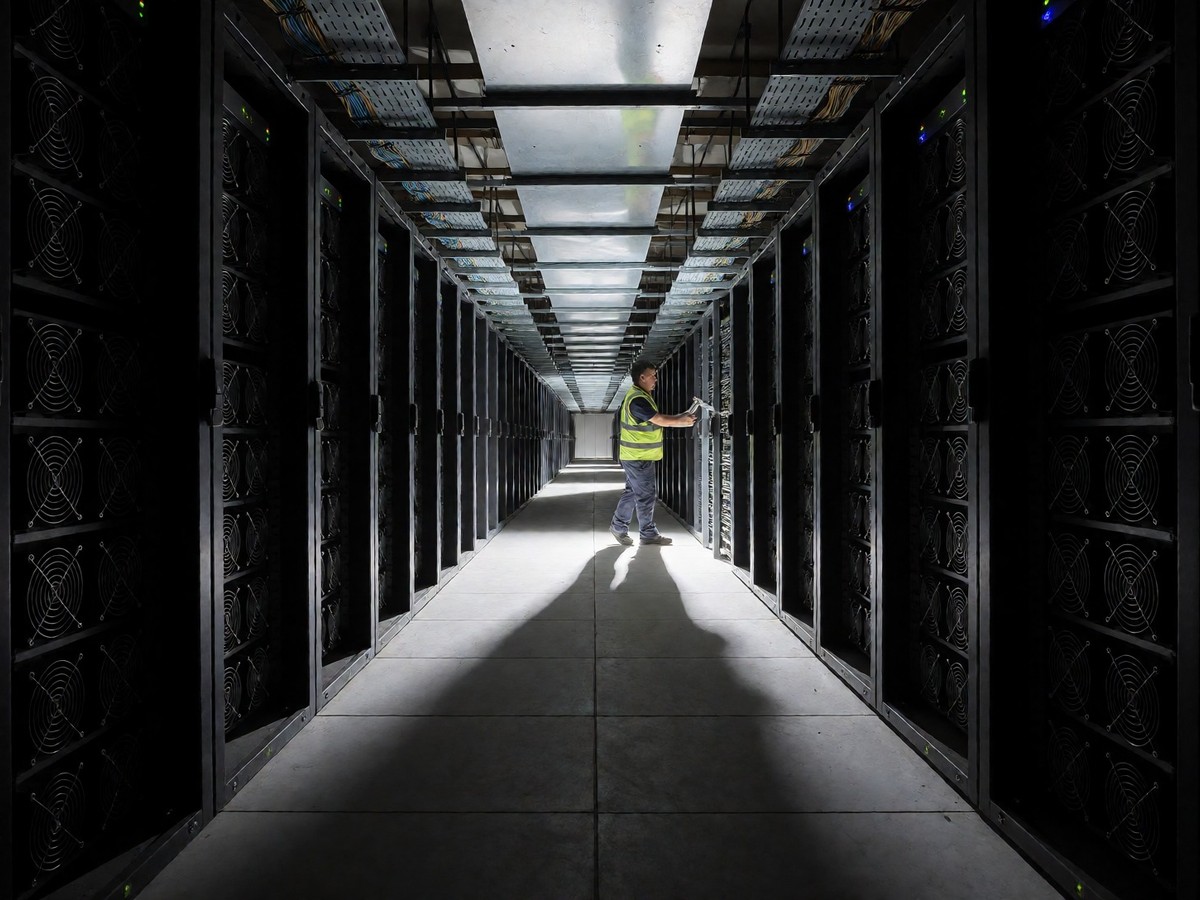
Bhutan reduced its Bitcoin reserves by 70% from an October 2024 peak of 13,000 BTC. Current holdings sit at 3,774 BTC. The kingdom moved 215.7 million USD in Bitcoin out of its wallets in 2026 alone. Recent data from Arkham shows the state moved 250 BTC out of its wallets 18 hours ago. On-chain mining inflows stayed below 100,000 USD per day for more than a year. The rapid sell-off confirms a strategic pivot away from the kingdom’s previous cryptocurrency strategy. This liquidation indicates the kingdom halted its hydropower-backed mining operations around November 2024. Analysts note that Bhutan moved 12 million USD worth of Bitcoin out of its wallets in a single 24 hour period recently. The total Bitcoin holdings in Bhutan reached a value of 1.3 billion USD at the end of 2025. This large reduction in reserves marks a departure from the country’s earlier goal of using crypto to stem outmigration. The government uses Bitcoin to support the development of the Gelephu Mindfulness City, an urban special administrative region. Druk Holding and Investments previously partnered with Bitdeer to develop 600 MW of mining capacity.
Energy and Hydro Expansion
The 600 MW Khorlochchhu project relies on a 48.29 billion rupee or 544 million USD term loan from India’s Power Finance Corporation. On May 5, 2026, the government and the World Bank signed 515 million USD in financing for the 1,125 MW Dorjilung project on the Kurichhu River. This project involves a joint venture where the Druk Green Power Corporation owns 60 percent and Tata Power owns 40 percent. NTPC is also preparing a report for a 757.38 million USD Amocho project with a 620 MW capacity. These massive hydroelectric ventures aim to supply electricity to India and reduce the seasonal energy gaps that Bhutan faces during winter months. The Dorjilung project will generate 4,500 GWh of clean electricity annually. The increase in domestic electricity consumption in the country reached 2,860 GWh by 2022, and this trend forced Bhutan to rely on energy imports from India to sustain its growing local industrial parks. Earlier, the Punatsangchhu I project saw costs rise from 35.15 billion Bhutanese ngultrum to 93.76 billion Bhutanese ngultrum. Punatsangchhu I was funded with a 40 percent grant and 60 percent loan from India. Punatsangchhu II used a 30 percent grant and 70 percent loan. The annual interest rate on the loans is 10 percent. The Kholongchhu project also saw its budget grow from 33.05 billion Bhutanese ngultrum to 54.82 billion Bhutanese ngultrum.
| Project | Capacity | Financing |
|---|---|---|
| Dorjilung | 1,125 MW | 515 million USD |
| Khorlochchhu | 600 MW | 544 million USD |
| Amocho | 620 MW | 757.38 million USD |
Economic Realities
Druk Holding and Investments manages the mining and wallet operations for the government. This state entity generated 750 million USD in mining revenue in 2024. These funds allowed the government to increase civil servant salaries in 2023. The 2025-26 budget increased capital outlay by 59 percent to reach 1.5 billion USD. You know that using volatile digital assets to fund public spending introduces budget risks. As energy intensive industries grow in Pasakha, Jigmeling, and Motanga, domestic electricity demand increases. This demand competes with the energy needs of the Bitcoin mining facilities. The country faces a youth unemployment rate of 17.7 percent in 2024 and saw 66,000 citizens live abroad by 2025. The population of the country is 797,000 people, and 10.1 percent live below $8.3 per day. The government uses Bitcoin mining to create well paid jobs and support economic growth. The total GDP in 2024 stood at 3.1 billion USD. Bhutan’s 10X National Economic Vision targets a tenfold increase in national product by 2050 from that 2024 baseline. The tourism industry, which accounts for 10 percent of GDP, saw 145,000 arrivals in 2024. Will the large scale of upcoming hydropower projects eventually make Bitcoin mining irrelevant for the national budget? The kingdom aims to reach a tenfold increase in national product by 2050.