 Bitcoin News
CleanSpark Wyoming mining: five myths vs facts on emissions

CleanSpark capacity and the methane reality
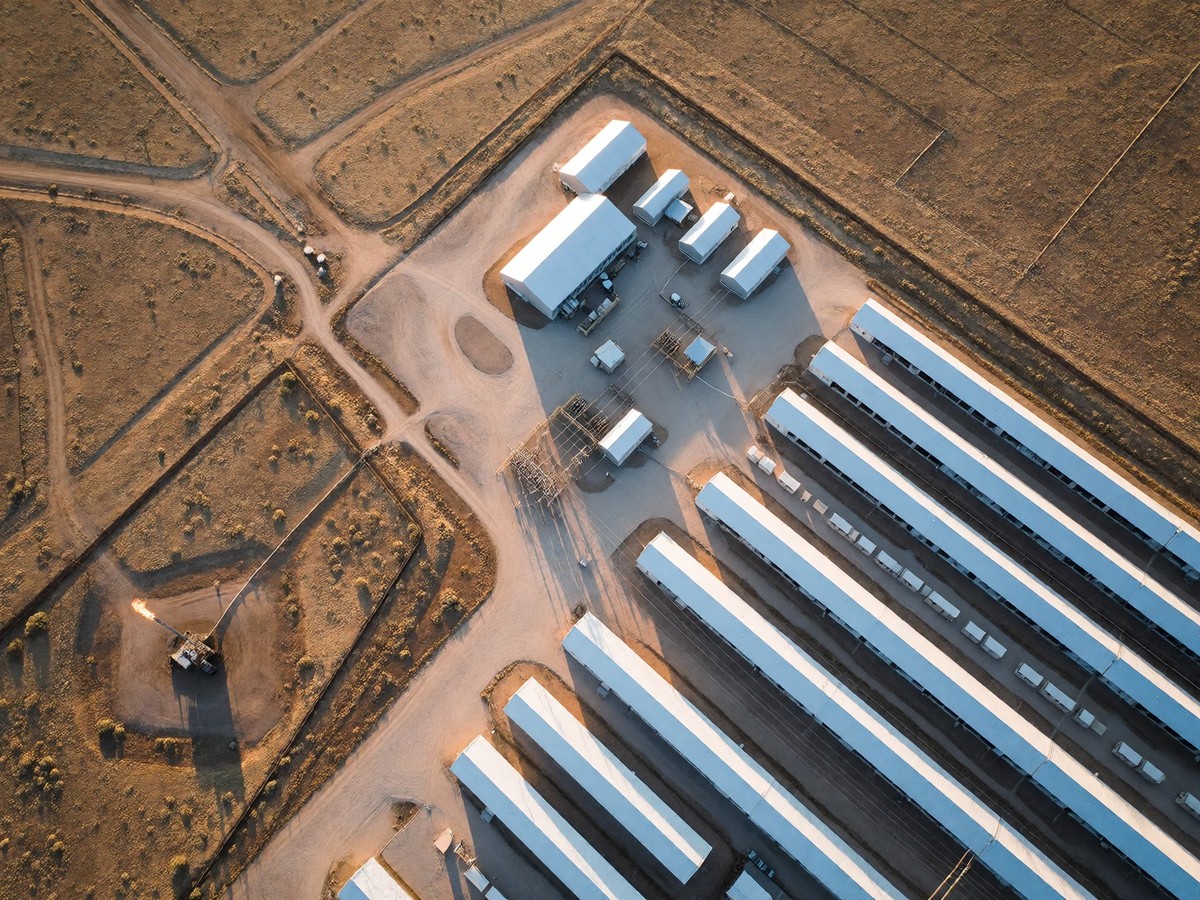
CleanSpark operates two wholly owned mining facilities in Wyoming with 110 MW of data center infrastructure power as of September 30, 2025. This capacity exceeds the 75 MW projection found in previous filings. These facilities use immersion cooling technology to improve efficiency and performance. Because the Environmental Protection Agency rule eliminates the distinction between new wells and older, shallow, vertical wells, drillers must now account for methane from all sites regardless of whether they produce fewer than 15 barrels of oil daily. Such low-producing wells generate more than 50% of the methane that enters the atmosphere from well sites. You should examine the specific capacity before accepting the 75 MW figure.
| Facility Specification | CleanSpark Wyoming Data |
|---|---|
| Total Infrastructure Power | 110 MW |
| Expected Power (Original) | 75 MW |
| Primary Cooling Method | Immersion cooling |
The EPA rule targets methane because it traps atmospheric heat more efficiently than carbon dioxide. The agency aims to help the United States reduce methane emissions by 30 percent by 2030. This regulation also removes the ability for producers to avoid costs associated with older, low-producing wells. CleanSpark’s expansion into Wyoming occurs as the state battles federal environmental mandates. The Wyoming Energy Authority is using $300,000 from a $1.2 million litigation fund to fight EPA rules that could force the retirement of power plants.
The math behind the 40 percent claim
The 40% Scope 3 emissions reduction claim from CleanSpark requires scrutiny against Science Based Targets initiative (SBTi) standards. Scope 3 emissions encompass all indirect greenhouse gas emissions in a company’s value chain. These emissions include upstream activities and downstream activities. Upstream categories involve purchased goods and services, capital goods, fuel and energy-related activities, upstream transportation and distribution, waste generated in operations, business travel, employee commuting, and upstream leased assets. Downstream categories include downstream transportation and distribution, processing of sold products, use of sold products, end-of-life treatment of sold products, downstream leased assets, franchises, and investments.
Scope 3 emissions account for approximately 75% of a company’s total greenhouse gas inventory. These values average 11 times higher than direct operational emissions. Only 40% of companies currently report these values to the public. If a company’s Scope 3 emissions exceed 40% of its total, the SBTi requires near-term targets to cover at least 67% of Scope 3 emissions. Long-term targets must cover 95% of Scope 3 emissions by 2050. CleanSpark’s claim hits the exact threshold where the SBTi requires more aggressive targets.
Wyoming’s legal struggle
A federal judge ordered the Bureau of Land Management (BLM) to re-assess the environmental impacts of leasing 120,000 acres in Wyoming. Judge Christopher Cooper ruled that the BLM failed to explain how future drilling affects the climate, big game migration, and sage grouse. The BLM used outdated data on drilling in the area. This ruling affects leases in regions like the Powder River Basin, where the industry employs more than 4,000 people. The Wyoming Energy Authority is seeking legal services to challenge the EPA.
The legal battle involves various sites, including plants in Naughton, Bridger, Dry Fork, and the Dave Johnston plant. Senator John Barrasso and Senator Cynthia Lummis criticized the EPA for prioritizing climate over reliable energy. They argued the administration weaponized the EPA against the state’s energy industry. The decision to re-evaluate the environmental impact means the BLM must provide more detail on how drilling affects wildlife. Will the BLM’s re-assessment lead to a total halt of drilling in sensitive habitats?
Financial risks and calculation methods
Investors use climate data to evaluate company transition plans. The World Economic Forum estimates that Scope 3 emissions account for 75% to 80% of all emissions from the oil and gas sector. Investment firms managing more than $130 trillion in assets committed to net-zero portfolios through the Glasgow Financial Alliance for Net Zero. Companies that delay Scope 3 accounting face implementation costs 3 to 5 times higher than proactive organizations. Early adoption provides advantages like improved reputation and competitive differentiation.
Companies use three primary methods to calculate these emissions. The spend-based method uses the economic value of goods and services multiplied by industry-average emission factors. The average-data method uses the quantity of goods purchased multiplied by industry-average factors. The supplier-specific method uses primary data from individual suppliers. Most companies start with spend-based estimates and move to supplier-specific data as they improve. CleanSpark’s expansion and regulatory exposure prove the difficulty of meeting carbon targets in Wyoming.