Bitcoin News
Economics of Bitcoin Hash Rate Migration to Kazakhstan

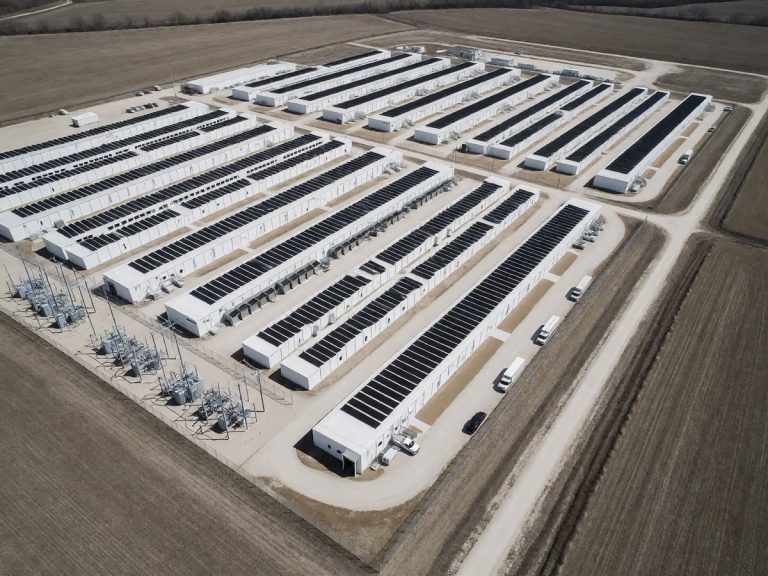
China’s 2021 ban on cryptocurrency mining forced a massive, immediate relocation of the global hash rate. Miners moved operations to Kazakhstan, a country with abundant energy resources and a strategic geographic position. This shift altered the economic landscape for both nations, creating new dependencies and cost structures. The migration was not merely a logistical move; it was a fundamental restructuring of where Bitcoin’s security is physically produced. Understanding this transition requires looking at the specific energy economics that drove miners away from China and toward Central Asia.
Energy Costs and Grid Realities
The primary driver for the exodus was electricity pricing. In China, state-controlled power grids offered cheap rates, but the ban eliminated that advantage overnight. Kazakhstan presented an alternative, though one with its own complexities. The country’s grid relies heavily on coal and natural gas, which keeps base rates low compared to Western Europe or North America. However, miners faced higher transmission costs in Kazakhstan than they did in Sichuan or Inner Mongolia.
Miners had to negotiate directly with local utilities or build private infrastructure. This added capital expenditure but allowed for more stable long-term contracts. The energy mix in Kazakhstan is less renewable than in some other jurisdictions, which drew criticism from environmental advocates. A report noted that each Bitcoin transaction consumes approximately 1,173 kilowatt-hours of electricity, enough to power a typical American home for six weeks. This high consumption meant that even small fluctuations in local power prices significantly impacted miner margins. The reliance on fossil fuels in Kazakhstan created a tension between profitability and environmental impact, a debate that continues to shape policy discussions in the region.
Infrastructure and Logistics
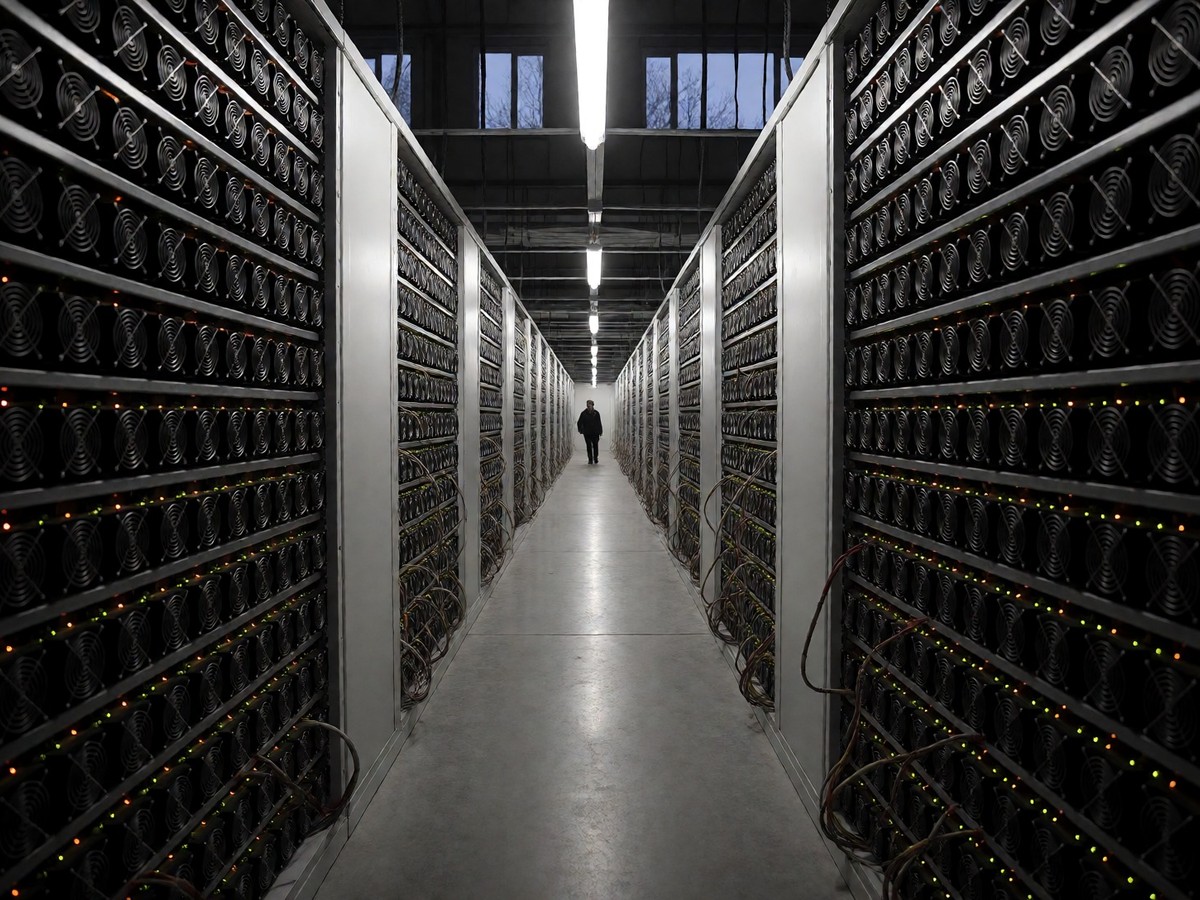
Moving hardware across borders is expensive and logistically challenging. Miners shipped ASICs from Chinese factories to Kazakh data centers, incurring shipping and customs fees. The distance between major Chinese manufacturing hubs and Kazakhstan is significant, adding weeks to deployment timelines. Once in Kazakhstan, miners needed access to reliable internet and cooling systems. Almaty and Astana became focal points for these operations, leveraging existing urban infrastructure.
The physical environment also mattered. Kazakhstan’s climate varies by region, affecting cooling requirements. Data centers in colder areas could use free air cooling, reducing operational costs. This geographic advantage offset some of the higher energy prices. However, the lack of established data center regulations in Kazakhstan initially created uncertainty. Miners had to navigate a less defined legal framework compared to the strict compliance environments in the US or EU. This regulatory ambiguity was both a risk and an opportunity, allowing for faster deployment but exposing operators to potential future crackdowns.
Market Dynamics and Price Impact
The migration affected Bitcoin’s price indirectly through supply chain disruptions. When miners relocated, there was a temporary dip in hashrate as equipment was in transit. This reduced network security marginally, raising concerns about attack vectors. Once operations stabilized in Kazakhstan, hashrate recovered, restoring confidence. The price of Bitcoin reflects these underlying structural changes, with market participants adjusting expectations based on miner profitability.
The shift also influenced the global distribution of mining power. Previously, China dominated the hashrate landscape. Post-ban, the map diversified, with the US, Kazakhstan, and Russia emerging as top producers. This diversification reduces single-point-of-failure risks but introduces geopolitical complexities. Miners now operate under different political regimes, each with varying stances on cryptocurrency. The economic implications are clear: mining is no longer just a technical challenge but a geopolitical one. Where you mine determines your costs, your legal exposure, and your long-term viability. The question remains whether Kazakhstan can sustain this influx without straining its national grid further.