 Bitcoin News
ESG Bitcoin ETF labeling and European pension fund allocations

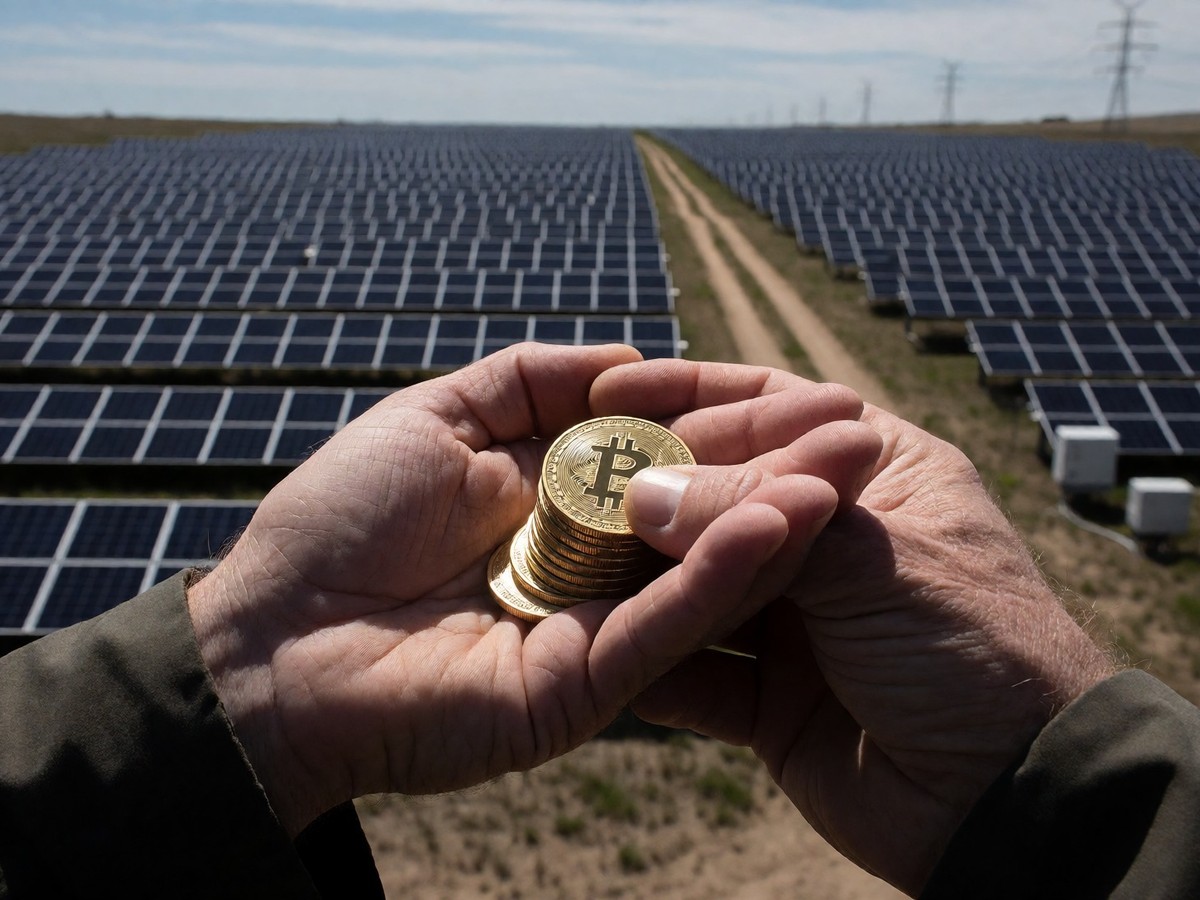
The ESG labeling of Bitcoin ETFs, such as the WisdomTree BTCW or the 7RCC model, addresses the specific requirements of institutional investors. 7RCC’s spot Bitcoin ETF uses an investment strategy that puts 80% of assets into Bitcoin and 20% into carbon credit futures or swaps. These swaps provide exposure to emissions allowances from major trading systems. The strategy seeks to offset the environmental impact of Bitcoin mining through the Vinter Bitcoin Carbon Credits Index. The New York Stock Exchange filed a 19b-4 form on March 13 to list this product under the ticker BTCK, following a December S-1 application with the SEC. This submission is a proposed rule change that requires consent from the regulatory body before the product hits the market. Gemini acts as the custodian for these digital assets. Rali Perduhova, the CEO of 7RCC, expects Bitcoin prices to reach $200,000 by the end of the year. This approach targets institutional investors who require investments that follow Environmental, Social, and Governance criteria.
European pension fund requirements
The EU Sustainable Finance Disclosures Regulation, which entered into force on March 10, 2021, requires investment funds to disclose how they integrate sustainability risks into their investment processes. This regulation increases the pressure on fund managers to avoid investments that lack a sustainability focus. The European market contains a wide variety of such products, including the Robeco Circular Economy Equities, the Guinness Sustainable Energy Fund, and the Nordea 1 Empower Europe Fund. Many large pension funds avoid coal and energy companies to prioritize environmental goals. For instance, the Danish pension fund AkademikerPension blacklisted Tesla and various companies involved in weapon or fossil fuel production. In Norway, the oil fund debates whether to boycott certain companies, with some arguing that the job of the fund is to earn money regardless of moral stances. Because the Dutch pension sector maintains at least €100 million in indirect Bitcoin exposure through companies such as Coinbase Global, Block, Inc., and Microstrategy, the price movements of these specific holdings directly affect their total asset valuations. You should recognize that these indirect holdings increase the sensitivity of pension funds to crypto market volatility. Research from the SCOOP tool found 37 positions, indicating that the total value exceeds the published €100 million minimum. This exposure includes companies like Marathon Digital Holdings and Riot Platforms, which are active in the crypto industry.
Environmental conflicts in crypto
Bitcoin mining uses significant electricity, which creates a problem for funds following ESG mandates. The network is secured by a cryptographic algorithm called SHA-256. The hashrate, which is the calculation of the total combined computing power used to mine and process transactions, determines the difficulty of the mining process. The Cambridge Bitcoin Electricity Consumption Index estimates that the network uses 144.28 TWh of electricity annually, which accounts for 0.69% of global electricity consumption. BCA Research states that ESG-focused funds will likely avoid Bitcoin because of these energy requirements. This energy concern led Tesla to suspend Bitcoin payments for vehicle purchases after its $1.5 billion purchase of the token in early 2021. While some investors see Bitcoin as a way to diversify, the environmental footprint makes it difficult for many institutional managers to adopt. Nic Carter, the co-founder of CoinMetrics, notes that most energy usage occurs during the mining process rather than during transaction validation. Does the integration of carbon credit futures provide enough mitigation to satisfy these environmental standards?
Market competition and regulatory oversight
The Bitcoin ETF market grows in Europe, with Grayscale having launched the ‘GFOF’ ETF on selected exchanges. The SEC previously rejected an application from One River Asset Management for a carbon-neutral Bitcoin ETF, stating that the filing lacked sufficient investor protections under Section 6(b)(5). One River submitted its application in May 2021, and the SEC announced a delay in its decision in March. To meet its obligations, an exchange must demonstrate that it has a surveillance-sharing agreement with a regulated market related to the underlying assets. This mechanism helps to prevent fraudulent and manipulative acts.
| ETF Attribute | 7RCC Spot Bitcoin ETF |
|---|---|
| Ticker | BTCK |
| Bitcoin Allocation | 80% |
| Carbon Credit Allocation | 20% |
| Custodian | Gemini |