Bitcoin News
Bitcoin ETF creation and redemption mechanics explained

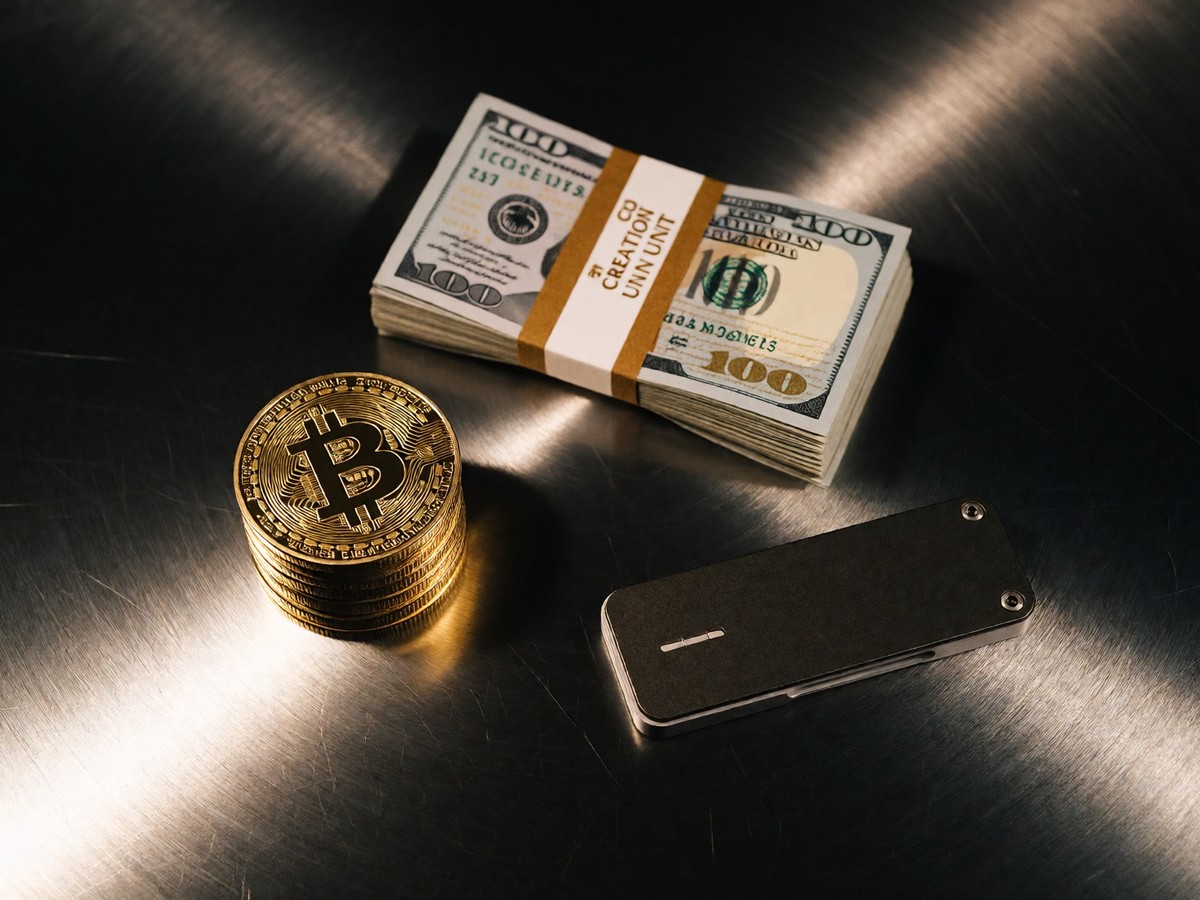
Authorized Participants (APs) manage the supply of ETF shares through creation and redemption processes. This process does not occur on the open market. Instead, the fund interacts directly with these large institutional players. When an AP wants to create new shares, they form a creation unit. A creation unit is a large block of shares. The fund sets the size of this unit. For the iShares Bitcoin Trust, the annual report for 2025 sets this size at 40,000 shares. The AP delivers a basket of assets to the fund. The fund then credits the AP with the new shares. The AP can then sell these shares into the market or hold them as inventory.
To redeem shares, the process reverses. The AP delivers the shares back to the fund. The fund then delivers the basket back to the AP. This action destroys the shares and lowers the total share count. This mechanism allows the ETF to track its Net Asset Value (NAV) closely. The share count changes based on institutional demand.
Retail investors do not participate in this creation and redemption process. When you buy or sell an ETF on an exchange, you are trading with another investor. This is known as the secondary market. This secondary market activity does not change the total number of shares in the fund. Only the primary market activity involving APs changes the share count. If the number of shares increases, the fund must acquire more Bitcoin. If the number of shares decreases, the fund must sell Bitcoin. This allows the fund to maintain its Bitcoin reserves in direct proportion to the shares outstanding.
Cash versus In-kind mechanics
The SEC initially forced all spot Bitcoin ETF approvals to use cash-only creation and redemption in January 2024. Under this cash model, APs deliver USD to the fund. The fund then buys Bitcoin from its own trading counterparties. Redemption works in reverse, where the fund sells Bitcoin and delivers USD to the AP. This method is simpler for APs that lack a Bitcoin trading desk. However, the fund must buy or sell Bitcoin every time an AP creates or redeems shares. This creates execution slippage. The fund may pass these costs to investors.
On July 29, 2025, the SEC approved orders allowing in-kind creation and redemption. This change allows APs to deliver Bitcoin directly to the fund. The fund takes the Bitcoin into custody and credits the AP with shares. This prevents the fund from having to trade in the market during creation or redemption events. The shift to in-kind mechanics allows authorized participants to manage their Bitcoin inventory across various prime brokers, OTC desks, and custodians without forcing the fund to trade at the close.
Teddy Fusaro of Bitwise explained the friction in the cash model. If an ETF faces inflows, it must buy Bitcoin from the market. This often requires paying a premium over the benchmark price. For a $100 million purchase, a two basis point premium equals $20,000. The fund incurs this cost, and the AP passes it to the market maker. This cost eventually reaches the end shareholder through a higher share price. The fund must source Bitcoin at observable benchmarks plus execution costs. This extra cost arises from the need to find liquidity in the market.
| Feature | Cash Model | In-kind Model |
|---|---|---|
| Asset delivered to fund | USD | Bitcoin |
| Fund trading requirement | Must buy/sell BTC | Does not need to trade |
| Primary benefit | Simple for APs | Reduces slippage |
| Cost implication | Higher slippage costs | More efficient |
Tax efficiency and regulatory rules
In-kind creation and redemption provide tax efficiency for US investors. Because the fund receives the asset directly, an in-kind creation is not a taxable event for the shareholder. Similarly, an in-kind redemption is generally not a taxable event. This differs from the cash model where the fund must sell Bitcoin to provide USD. In those cases, the fund’s selling of Bitcoin can create gains. The iShares filing suggests that gains from Bitcoin sold to fund a cash redemption fall on the redeeming shareholder.
US spot Bitcoin ETFs like the iShares Bitcoin Trust are set up differently than traditional funds. They are organized as grantor trusts. This means each holder is treated as owning a share of the fund’s Bitcoin directly. This structural detail is why the cash-only period did not pass all gains to the holders who stayed. The cash-only period was clearly an inefficient era for the industry.
The SEC change was part of a broader regulatory approach. Commissioner Mark T. Uyeda stated that the previous limitation resulted in unnecessary costs and burdens. Chair Paul Atkins noted the change would make these products less costly and more efficient. This change brings spot Bitcoin ETFs in line with how other commodity-based ETPs operate. You should observe how these technical details impact your total returns. Will the market eventually abandon cash-only funds entirely?
The current market and fund comparisons
The US Bitcoin ETF market includes several major players with different fee structures. BlackRock’s iShares Bitcoin Trust (IBIT) and Fidelity Wise Origin Bitcoin Fund (FBTC) are among the largest. IBIT has a fee rate of 0.25%. FBTC also charges 0.25%. Grayscale’s Bitcoin Trust (GBTC) has a fee rate of 1.5%.
Investors evaluate management fees carefully when selecting a fund. A lower expense ratio means you keep more of your profits. For instance, some funds in the market charge as little as 0.15%. Others, like Grayscale, charge much more. Large institutional investors often look for the lowest fees for long-term holdings. Small investors might care less about these differences if their total investment is low.
| Fund Name | Ticker | Fee Rate |
|---|---|---|
| iShares Bitcoin Trust | IBIT | 0.25% |
| Fidelity Wise Origin Bitcoin Fund | FBTC | 0.25% |
| Grayscale Bitcoin Trust | GBTC | 1.5% |
| Bitwise Bitcoin ETF | BITB | 0.2% |
| ARK 21Shares Bitcoin ETF | ARKB | 0.21% |
| VanEck Bitcoin Trust | HODL | 0.25% |
| WisdomTree Bitcoin Fund | BTCW | 0.25% |
The market is highly concentrated. BlackRock’s IBIT holds approximately 737,000 Bitcoins with an AUM of about $47.25 billion. Fidelity’s FBTC holds about 171,000 Bitcoins with an AUM of about $10.96 billion. Grayscale’s GBTC holds around 133,000 Bitcoins. In contrast, Hashdex’s DEFI held only around 225.6 Bitcoins with an AUM of about $14.46 million before its liquidation was announced. Many funds fall into the mid-tier with AUM between $1 billion and $2.4 billion. These include funds from Bitwise, ARK 21Shares, and VanEck.