 Bitcoin News
People shaping Bitcoin Magazine’s grassroots meetup network in Latin America

The organizers of the regional meetup scene
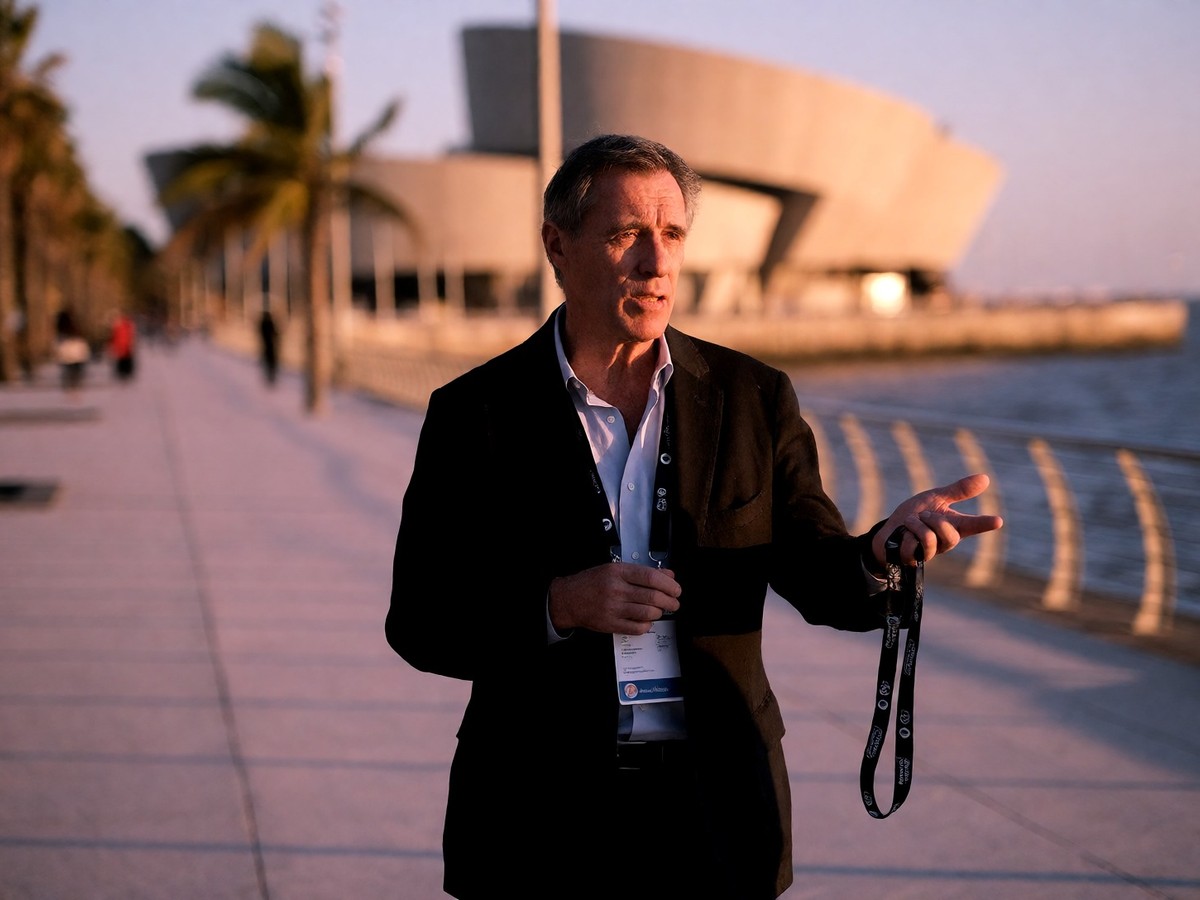
Rodolfo Andragnes manages the 14th edition of LABITCONF, an event called "HODL" that takes place in Buenos Aires. He is the president of the non-profit Bitcoin Argentina and the founder of LABITCONF. The conference is located at Costa Salguero. Santiago Guzman and Fabian Delgado organize the Cripto Latin Fest in Bogota. They host the event at the buildings of the Universidad Externado. Ezio Rojas and Ernesto Contreras lead Caracas Blockchain Week in Venezuela. This event uses the Palacio Nacional and the Teatro Nacional as locations. In the municipality of Chiltiupan, Roman Martinez and Jorge Valenzuela coordinate the Bitcoin Beach community. These individuals create the spaces for the community to meet. Anibal Garrido also works with the Caracas Blockchain Week team.
The organizers of local gatherings work to build the networks that allow the regional ecosystem to grow. Jose Rodriguez directs Blockchain Land in Mexico, and Cristobal Pereira directs the Blockchain Summit Latam in Chile. Jaime Merino produces the Trading Latino channel in El Salvador. In the regional space, organizers like Lorena Ortiz manage the Bitcoin Embassy Bar in Mexico. The leaders of the regional meetup scene, such as Rodolfo Andragnes and Santiago Guzman, drive the expansion of local networks by organizing large-scale gatherings that bring together developers, researchers, and enthusiasts from across the continent.
The educators and regional influencers
The educational landscape in Latin America depends on specialized voices. Angela Ocando leads the Blockchain School at Platzi and has 24,000 followers on Twitter and 8,000 on Instagram. Jaime Merino produces the Trading Latino channel in El Salvador. Juan Rodriguez creates the Papa Bitcoin channel in Colombia. These figures help translate complex technical concepts into accessible information for local communities. Their work aims to lower the barrier to entry for new users. Tali Lindberg works through Free Market Kids to provide financial literacy. She argues that women require a different approach than men to engage with Bitcoin. While men focus on facts, women often communicate through personal stories and emotional connections. Lindberg notes that 80% to 90% of the people in the Bitcoin space are men. You already understand that technical mastery alone fails to convince new users without a human element.
Mad Cripto is an influencer in Mexico, and Ornella Panizza creates Lady Market in Argentina. Javier Bastardo creates Satoshi in Venezuela. Mauricio Tovar works with Tropykus in Colombia. These names represent the diverse group of people who drive adoption through social media and local workshops. While many participants focus on the technical aspects of the network, figures like Tali Lindberg argue that the future of Bitcoin depends on reaching women through personal stories and emotional connections rather than through charts or aggressive political rants. Will these localized meetups survive if central banks begin to influence the regulatory environment?
Economic drivers and the regulatory environment
Economic volatility drives the regional movement. In 2023, the inflation rate in Argentina reached 211.4%. This instability led to 60% of Argentine crypto purchases on Bitso being for dollar-based stablecoins like USDT and USDC. This differs from Colombia, Brazil, and Mexico, where stablecoin purchases account for 31% to 40% of total crypto activity. In 2025, adoption across Latin America climbed 63%. The mandatory Bitcoin framework in El Salvador proved unpopular and complicated when the country sought international loans.
In Brazil, lawmakers introduced Law 14,478/22 to regulate exchanges and protect consumers. The Brazilian central bank also tests Drex, a digital version of the real. In Panama, a 2025 bill allows payments via Bitcoin, Ethereum, or stablecoins. In Guatemala, a 2025 bill allows digital currency use while keeping the quetzal as official money. In Paraguay, a tribunal convicted Cristian Daniel Jara Villalba and Ramon Martinez Morinigo for energy theft used in Bitcoin mining.
The intersection of energy and Bitcoin is another growth area. In Argentina, Tecpetrol uses Bitcoin mining to add value to oil extraction in the Vaca Muerta field. Petrobras is also in the research stages of implementing Bitcoin mining in its operations. This synergy between energy production and digital assets is an emerging trend in the region.
The 2026 event calendar
The following table lists the primary upcoming gatherings in the region for the remainder of 2026.
| Date | Event | City | Entry Type |
|---|---|---|---|
| Oct 27-29, 2026 | Zcon7 | Cancun, Mexico | Free (by application) |
| Oct 30-31, 2026 | LABITCONF 2026 | Buenos Aires, Argentina | Paid |
| Nov 4-6, 2026 | Blockchain Summit Latam 2026 | Bogota, Colombia | Paid |
| Nov 11-12, 2026 | Bitcoin Historico 2026 | San Salvador, El Salvador | Paid (Bitcoin only) |
| Nov 19-20, 2026 | Bitcoin Circular Economies Summit 2026 | El Zonte, El Salvador | Unconfirmed |
| Dec 9-12, 2026 | Tulum Innovation Fest 2026 | Tulum, Mexico | Paid |
| Dec 11-12, 2026 | Colombia Blockchain Week 2026 | Medellin, Colombia | Free/Paid options |
Zcon7 in Cancun focuses on privacy technology and requires an approved application for entry. LABITCONF in Buenos Aires provides General, Business, and Experience tickets. The Blockchain Summit Latam in Bogota focuses on regulation and infrastructure. Bitcoin Historico in San Salvador uses the Palacio Nacional and the BINAES as venues, and attendees must pay in bitcoin. The Bitcoin Circular Economies Summit in El Zonte focuses on local commerce and community adoption. Tulum Innovation Fest in Mexico includes a startup competition called Whale Tank. Colombia Blockchain Week in Medellin hosts its main day on December 12 at the Hotel InterContinental in El Poblado.