 Bitcoin News
Foundry USA dominance and the hashrate concentration risks

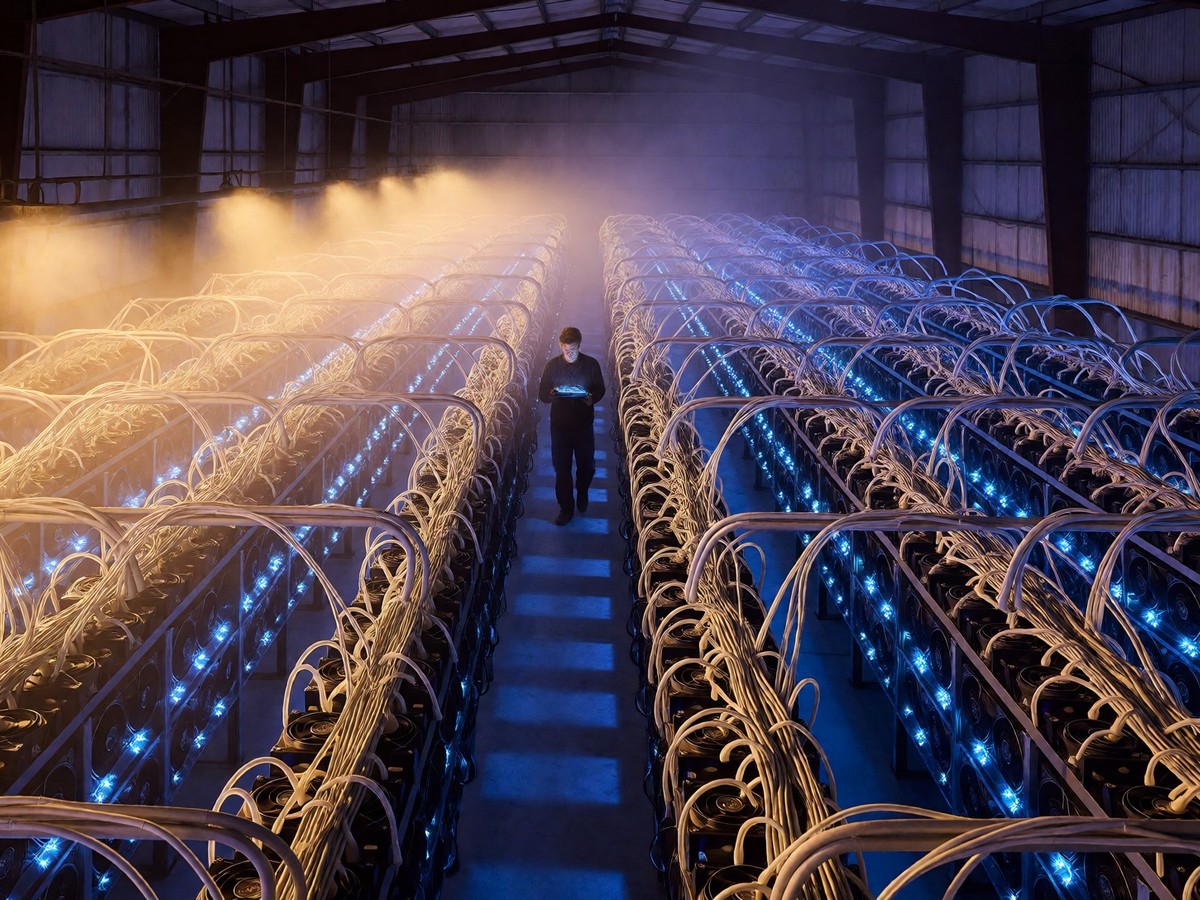
The concentration of network power
Bitcoin’s hashashrate climbed to 920 EH/s in early September after hitting a low of 850 EH/s. This recovery follows a drop in early 2026 when severe winter storms caused electricity prices to spike and operations to stall. The network’s computational power still sits 20% below the October 2025 peak of 1.15 ZH/s. Bitcoin trades around $77,133, and the difficulty level sits near 127.45 trillion. Upward moves of about 1.3% in difficulty helped stabilize block intervals. Public miners contribute around 45% of the total hashashrate. This hashashrate rebound occurs while miners adjust to fluctuating energy costs. Foundry USA controls 244 EH/s, which accounts for 26% of the total network power. AntPool and F2Pool each maintain shares between 14% and 18%. I judge the network’s current state to be dangerously concentrated. The Nakamoto coefficient is 3. Three pools control over half the blocks. This concentration of hashashrate among a few large entities gives them significant influence over block production and transaction inclusion. This dominance persists despite the network’s resilience during previous volatility.
Mining pool mechanics and pool shifts
Five major pools control the bulk of activity.
| Pool | Hashrate (EH/s) | Payout Method | Market Share |
|---|---|---|---|
| Foundry USA | 207.4 | FPPS | 25.74% |
| AntPool | 155.1 | FPPS | 19.26% |
| F2Pool | 112.1 | unknown | 13.92% |
| ViaBTC | 84.5 | PPS+ | 10.49% |
| SpiderPool | 66.8 | FPPS | 8.29% |
Foundry USA, a subsidiary of Digital Currency Group founded in 2019, uses the Full Pay Per Share (FPPS) payout method. This method pays miners a fixed amount for each valid share they submit. The minimum payout threshold for Bitcoin is 0.001 BTC. Seven major pools, including Foundry, AntPool, F2Pool, SpiderPool, MARA Pool, Block Inc, and DMND, joined the Stratum V2 working group to allow miners more autonomy over block templates. These seven pools amount to 75% of the total Bitcoin hashashrate. You know the industry faces centralization risks despite these technical efforts. If a single mining pool gains a controlling share of hashashrate, it could censor transactions by not including certain transactions in the next block or attempt a 51% attack that threatens the integrity of the ledger. Miners often switch between pools to maximize rewards through pool hopping. Leading miners favor hydro-cooled hardware like the Antminer S23 Hyd, which reaches 9.5 J/TH. CEO Mike Colyer notes that Foundry’s expansion into Zcash, which now sees nearly a third of its new production from Foundry’s pool, helps satisfy institutional interest in privacy coins.
Security risks and attack costs
An attacker needs more than 50% of the network hashashrate to attempt a 51% attack. The cost for the mining equipment to perform a 51% attack on Bitcoin exceeds $7.9 billion. This massive price tag provides a deterrent against most attackers. A 51% attack allows an entity to rewrite transaction history or prevent transaction completion. During an attack, the hacker accumulates power, partitions the network, and mines blocks at a fast pace. Once the hacker rejoins the network, the longest chain is accepted, and the honest blocks are orphaned. I find the financial burden of such an attack to be the only real protection against a total takeover. The 3.125 BTC block reward provides the incentive for this intense competition. A 51% attack could also lead to double-spending, as seen when Bitcoin Gold lost $18 million in May 2018. While renting hashashrate makes 51% attacks easier for smaller altcoins, Bitcoin’s massive scale prevents this. These attacks are transient. The vulnerability exists because the Stratum V1 standard lets pool operators decide which transactions to include in a block. Will the adoption of Stratum V2 provide enough decentralization to negate the power of the largest pools?