 Bitcoin News
Antminer S9 and the 2017 Bitcoin Hash Rate Explosion

Bitmain released the Antminer S9 in mid-2016, positioning it as the successor to the S7 with a hash rate of 13.5 TH/s. This device became the industry standard for efficiency, consuming approximately 1350 watts while delivering a performance that outpaced previous generations. By 2017, the S9 dominated the market, allowing miners to compete effectively as network difficulty surged. Its compact design, measuring 350mm by 135mm by 158mm, made it accessible for both home users and large farms. The machine operated at a noise level of around 76 dB, a manageable figure for industrial settings but intrusive for residential spaces.
Engineering the Efficiency Leap
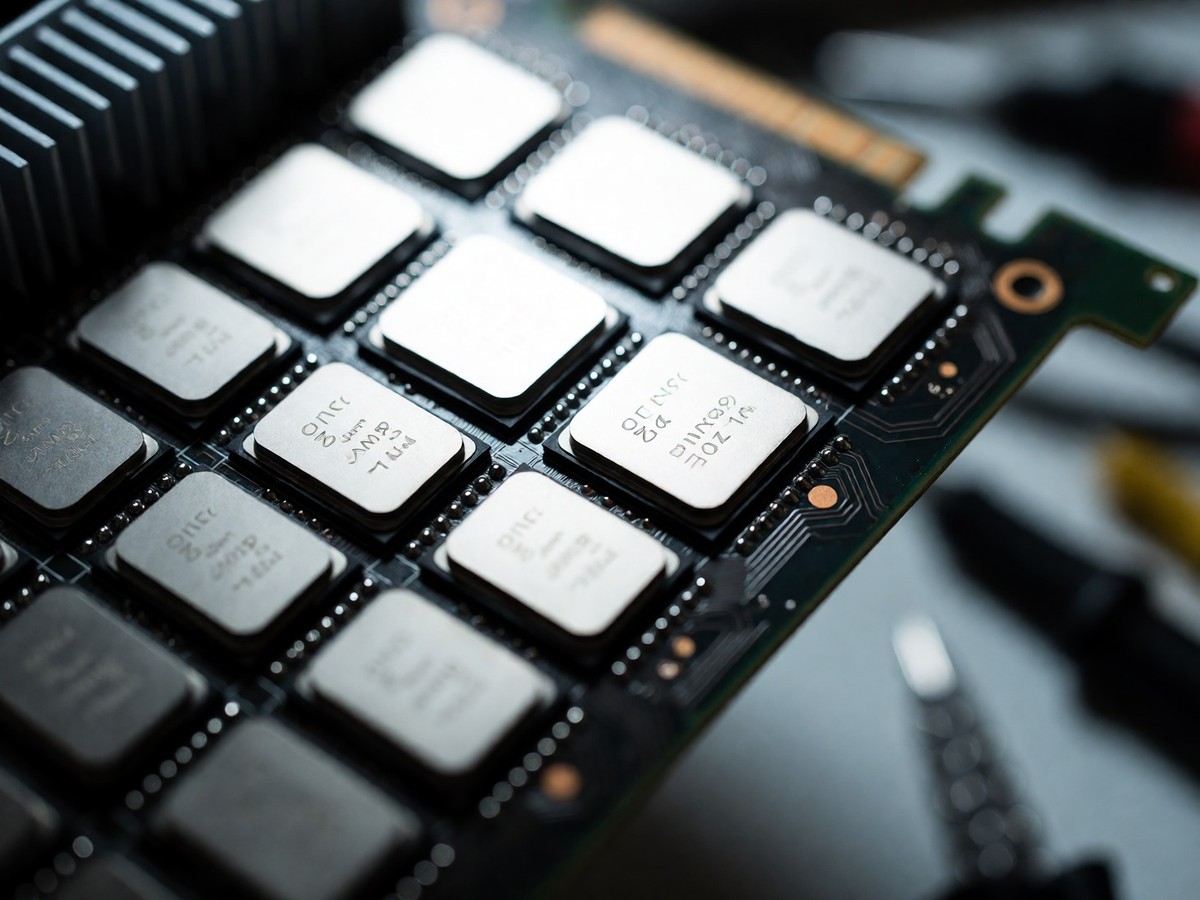
The S9 introduced 16nm ASIC chips, specifically 189 BM1387 units, which marked a significant technological shift from general-purpose hardware. This transition allowed for an efficiency rate of roughly 0.098 joules per gigahash, a metric that defined profitability for years. Bitmain later refined this architecture with the S9j model, which achieved 14.5 TH/s while optimizing energy use further. In 2019, the company released the S9 SE, a special version reaching 16 TH/s with a power draw of 1280 watts. This variant offered an efficiency of nearly 80 watts per terahash, though it lacked the low-power modes found in the newer S17 series. The S9 SE sold for $350, making it an affordable option for those with free electricity, yet it remained far less efficient than the 53 TH/s models already on the market.
| Feature | Antminer S9 (Standard) | Antminer S9 SE |
|---|---|---|
| Hash Rate | 13.5 TH/s | 16 TH/s |
| Power Consumption | ~1350 W | 1280 W |
| Efficiency | ~96 J/TH | ~80 W/TH |
| Chip Technology | 16nm BM1387 | Optimized 16nm |
Miners often discussed the reliability of these units, noting that short circuits could burn hash boards if proper fusing was not applied. The community emphasized that ground lines must remain unfused for safety, as blowing a fuse there could leave the case live with lethal voltage. These technical nuances were critical for maintaining uptime during the intense mining periods of the late 2010s.
The 2017 Network Surge
Bitcoin’s difficulty adjustment mechanism targets a 10-minute block time, but the rapid influx of S9 units pushed hashrate to unprecedented levels in 2017. Miners reported earnings of 10 to 20 USD daily, a figure that reflected the high price of Bitcoin at the time. The S9’s ability to mine SHA-256 coins like Bitcoin Cash added flexibility, though most operators focused on BTC. As the network grew, the entry barrier for profitable mining rose sharply, favoring those with access to cheap power. The S9’s dominance meant that any new entrant had to match its efficiency to stay competitive.
This period saw a massive expansion of mining infrastructure, with the S9 serving as the baseline for performance comparisons. Operators who failed to upgrade or secure low-cost energy quickly found their margins eroded. The sheer volume of S9 units contributed to the "hash rate explosion," where the total computational power securing the network multiplied rapidly. While the S9 was technically superior to its predecessors, it was soon overshadowed by more powerful ASICs like the S17, which offered significantly higher hash rates per watt.
Legacy and Modern Relevance
Today, the Antminer S9 is no longer viable for commercial grid mining at standard electricity rates. At $0.10/kWh, the device operates at a daily loss of approximately $2.80, requiring electricity costs below $0.02/kWh to break even. Its efficiency of 96 J/TH is roughly six times worse than modern industrial hardware like the S21 series, which achieves around 15 J/TH. Consequently, used S9 units now sell for between $30 and $100, repurposed primarily as space heaters or educational tools for hobbyists.
The evolution from the S9 to current models illustrates the relentless pace of semiconductor advancement in mining. Bitmain’s move to 7nm and smaller nodes has rendered the 16nm S9 obsolete for profit-driven operations. Yet, the S9’s legacy remains clear: it democratized mining by lowering the cost per unit of work and establishing the ASIC as the dominant form factor. The question of whether older hardware can ever regain economic relevance in a post-halving environment remains open, especially as operators prepare for the 2028 reward cut. For now, the S9 serves as a historical benchmark rather than a productive asset.