 Bitcoin News
Bhutan’s Bitcoin reserve shrinks as hydropower mining scales

Bhutan holds approximately 3,119 BTC as of mid-May 2026, according to blockchain data. The country’s Bitcoin holdings peaked at 13,000 BTC in October 2024, but the current amount is a 76% decline from that peak. Druk Holding and Investments manages these assets to support national economic plans. While El Salvador increased its holdings from 6,376 to 7,600 BTC, Bhutan maintains a pattern of continuous divestment. The government uses these liquidations to fund the Gelephu Mindfulness City special economic zone. In September, the first 100 MW facility began operations under a partnership with Bitdeer. This facility hosts 30,000 mining machines. In 2026, Bhutan moved $42.5 million in BTC and USDT through recurring counterparties. Blockchain data shows the government transferred 175 BTC, valued at $11.85 million, to a specific address in early 2026. This divestment helps manage liquidity for the Gelephu project. The total amount of Bitcoin withdrawn since the start of 2026 is $215.7 million. Bhutan is the seventh-largest government Bitcoin holder.
Divergent economies and capital deployment
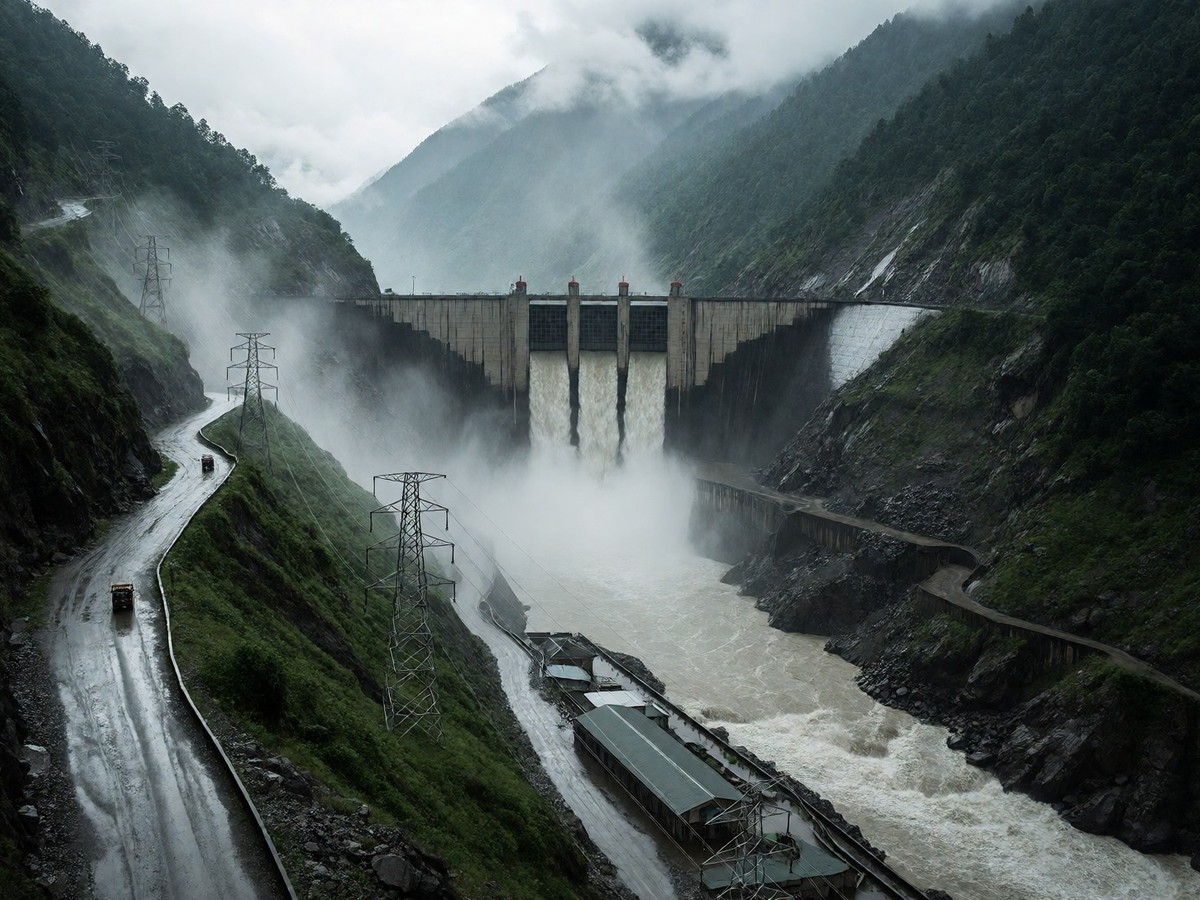
Druk Holding and Investments directs the national Bitcoin strategy by utilizing surplus hydropower. The kingdom generates electricity from mountain rivers and directs this energy to mining sites. These operations produce between 55 and 75 BTC weekly. The government uses these profits to cover public wages and fund infrastructure. In June 2023, the government used $72 million in Bitcoin reserves to provide a 50% pay raise for all civil servants. The Gelephu Mindfulness City project involves a massive investment plan that exceeds Bhutan’s 2025 GDP of $3.4 billion by thirty times, a scale that raises questions about the long-term viability of such a concentrated financial bet. You already know that Bitcoin mining requires massive amounts of electricity. The Gelephu Mindfulness City Authority manages the licensing of crypto companies within the special zone. This authority offers a faster licensing system for firms registered in Singapore or Hong Kong. The Royal Monetary Authority continues to restrict crypto access for the general public through the national banking system. This regulatory split creates two parallel economies under one crown. Between July 2021 and June 2023, the country invested nearly $500 million in crypto-mining facilities. This investment included substantial equipment imports from China, which were worth INR 4 billion in 2021 and INR 12 billion in 2022. The mining industry also addresses youth unemployment, which reached 16.5% in 2024.
Hydropower demand and mining capacity
The expansion into 600 MW of mining capacity uses more energy than the rest of the nation combined. This surge in domestic demand reduces hydropower exports to India. In 2023, total hydropower export value dropped to $16,675 million from $27,523 million in 2020. This increased electricity consumption contributes to a widening trade deficit. India provides 60% of the capital for Bhutanese hydropower projects through grants and 40% through loans.
| Feature | Specification |
|---|---|
| Peak Bitcoin Reserve | 13,000 BTC |
| Current Bitcoin Reserve | 3,119 BTC |
| Mining Phase Two Capacity | 600 MW |
| Projected Hydropower Capacity | 33 GW |
| Mining Partner | Bitdeer |
The government relies on the 5.5°C average annual temperature in high-altitude regions for natural cooling. This natural cooling reduces electricity costs for mining hardware. The transition to latest installations helps maintain competitiveness. The 2024 halving reduced the block reward to 3.125 BTC, which puts pressure on mining profitability. The current strategy creates a significant risk of energy shortages during the winter months. In 2025, Bhutan’s peak summer generation capacity reached 3,600 MW, while daily demand remained between 900 and 1,000 MW. The total hydropower capacity is 3.5 GW. The government manages these mining sites through six facilities, and a seventh facility is under construction.