 Bitcoin News
Bitcoin mining centralization: five myths vs facts

Pool dominance and the hashrate illusion
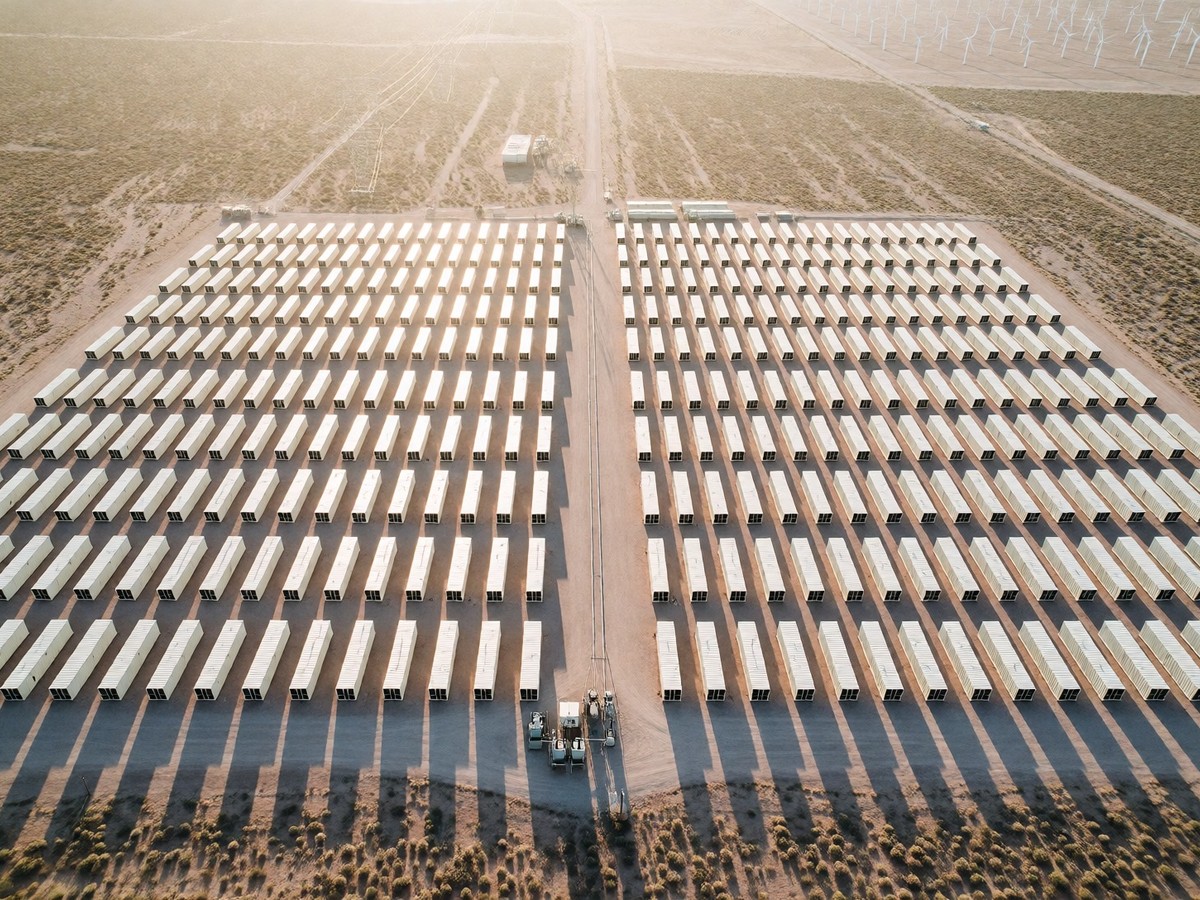
Foundry USA holds 38% of the Bitcoin mining pool market as of October 2026. AntPool maintains 25% of the share over the last 144 blocks, while F2Pool holds roughly 19%. This concentration contradicts the myth that hashrate growth automatically decentralizes block production. The network hashrate recently reached 1,050 EH/s, following a period of recovery. On October 16, 2026, the network difficulty jumped 5.92% from 132.72 trillion to 140.58 trillion at block 971,712. This represents one of the larger upward moves seen this year. During the closing epoch, average block times dipped to 567 seconds, which triggered the upward revision. The next difficulty adjustment occurs around October 30, 2026, and early estimates suggest a further increase of 2.95%. Higher difficulty spreads the same block rewards across greater computational effort. Operators with efficient hardware stand better positioned as the network self-regulates. Small miners join established pools to access consistent rewards and reduce the variance of block discovery. The network maintains a predictable 2,016-block cycle for its automatic adjustments. Does the concentration of 38% in a single pool create a permanent ceiling for decentralization?
The Stratum V2 adoption gap
Braiins reports 890,000 ASICs use Stratum V2, but this adoption does not return transaction selection to individual miners. Most users adopt the protocol for encryption and the 70% reduction in bandwidth. These miners still receive block templates from the pool. True decentralization requires the Job Negotiation sub-protocol, which allows a miner to propose a locally constructed template. This process requires the miner to run a full node and maintain a copy of the mempool. Without Job Negotiation, pool operators still decide which transactions enter the block. In May 2021, Marathon Digital Holdings directed hashrate to an "OFAC-compliant" pool using Walletscore software, which excluded transactions from the U.S. Treasury’s SDN list. The Stratum V2 protocol uses the Noise Protocol Framework with a specific cipher suite using secp256k1 for key exchange, ChaChaPoly for authenticated encryption, and SHA-256 for hashing. This specification reduces bandwidth by approximately 70% and achieves job delivery targets under 2.5 milliseconds. Miners using the SRI Translation Proxy can connect stock Bitmain firmware to V2 pools, yet they still lack the ability to select their own transactions. You should look closely at whether your hardware supports full template negotiation.
| Feature | Stratum V1 | Stratum V2 |
|---|---|---|
| Wire format | JSON-RPC | Binary framing |
| Encryption | None | Mandatory (Noise) |
| Latency | ~228 ms | < 2.5 ms |
| Selection | Pool decides | Miner decides (with Job Negotiation) |
Geographic concentration and energy reliance
Mining power concentrates in Texas and Kazakhstan despite the exodus from China. Kazakhstan develops its crypto sector to support the economy, but mining remains concentrated in specific regions. The country has a dedicated vice-minister for digital development and seeks to become Central Asia’s crypto hub. Mining in Kazakhstan relies heavily on fossil fuels like coal and natural gas, as renewable sources contribute only 1.4% to the energy supply. In the US, renewable sources provide about 11% of electricity. The US mining hashrate rose from 4% in 2019 to 17% in 2021, while Kazakhstan’s share rose from 1.4% to 8.2%. As of 2023, the government registered 415,000 mining machines and issued 84 licenses. Most crypto transactions in Kazakhstan occur outside the legal sector, with 90% of activity happening outside regulated platforms. In 2024, authorities shut down 36 unlicensed exchanges that had a combined turnover of 60 billion tenge. China’s hashrate fell from 76% in 2019 to 45% in April 2021, which moved capacity to the US and Canada. Canada’s mining hashrate grew from 1% in 2019 to 3% in April 2026.
Economic pressure and the 2028 halving
The 2028 halving approaches with 77,337 blocks remaining until the reward drops from 3.125 BTC to 1.5625 BTC. The network produces 450 BTC per day now, but this will drop to 225 BTC per day after the halving. In April 2024, Bitcoin traded around $63,000, while the price sits between $80,000 and $85,000 in October 2026. At a cost of $0.08/kWh, only equipment with efficiency at 10 J/TH or below stays profitable. Hardware above 15-20 J/TH is a candidate for replacement before the 2028 event. As difficulty increases, rewards per miner decrease, which forces continuous efficiency improvements. Miners must evaluate real-time performance to optimize setups. The difficulty adjustment follows a period of faster-than-target block production. Small, inefficient miners will continue to exit the market as competition grows. To protect margins, operators need long-term contracts at a rate below $0.07/kWh.