 Bitcoin News
The decade-long battle for Bitcoin ETF approval

The early regulatory wall
The SEC rejected the Winklevoss Bitcoin Trust proposal in July 2018. This followed a March 2017 rejection. The Commission found that BZX failed to meet the requirements of Exchange Act Section 6(b)(5). Regulators argued that bitcoin markets lack sufficient surveillance-sharing agreements with regulated markets. They claimed bitcoin markets remain susceptible to fraud.
Hester Peirce dissented.
BZX argued that the geographically diverse and continuous nature of bitcoin trading markets makes it difficult to manipulate the price of bitcoin. The SEC disagreed. They found that the record before the Commission does not support such a conclusion. The Commission also noted that recent academic papers suggest that the price of bitcoin can be, and has been, manipulated through activity on bitcoin trading venues.
The BZX first filed its application in June 2016, three years after the Winklevoss Bitcoin Trust filed its initial registration statement. In its July 2018 decision, the Commission voted three to one against the proposal. Commissioner Hester Peirce provided a dissenting opinion. She argued that the Commission was engaging in merit regulation and that its decision deprived investors of the opportunity to invest in bitcoin.
In 2018, the Commission rejected nine proposed bitcoin ETFs. Former Chairman Jay Clayton said that rules to prevent manipulative techniques do not exist on all exchange venues where digital currencies trade. He also said that there was no basis to conclude that markets like CME and CBOE were of significant size. He added that the risk in an ETF should only be the risk of the value of the underlying asset and should not include the risk of theft or disappearance.
Legal challenges change the rules
The US Court of Appeals for the D.C. Circuit ruled in 2023 that the SEC acted in an arbitrary and capricious way when it denied Grayscale’s application to convert its trust into an ETF. Judge Neomi Rao wrote that the SEC failed to explain why it rejected applications for spot bitcoin ETFs while giving the green light to ETFs trading in bitcoin futures contracts. This ruling forced the SEC to change its stance and regulatory compliance.
Do you see the pattern?
The SEC’s earlier refusal to approve spot products based on market manipulation concerns lost its legal footing. On January 10, 2024, the SEC granted accelerated approval to eleven US-listed spot bitcoin ETFs. The SEC’s decision on January 10, 2024, to grant accelerated approval to eleven US-listed spot bitcoin ETFs included products from firms like ARK 21Shares, Bitwise, Fidelity, Franklin, Grayscale, Hashdex, iShares, Invesco Galaxy, Valkyrie, VanEck, and WisdomTree.
The approved products include the following:
| ETF Name | Type |
|---|---|
| ARK 21Shares Bitcoin (ETF) | Commodity-Based Trust Shares |
| Bitwise Bitcoin ETF | Commodity-Based Trust Shares |
| Fidelity Wise Origin Bitcoin Fund | Commodity-Based Trust Shares |
| Franklin Bitcoin ETF | Commodity-Based Trust Shares |
| Grayscale Bitcoin Trust | Trust Units |
| Hashdex Bitcoin ETF | Trust Units |
| iShares Bitcoin Trust | Commodity-Based Trust Shares |
| Invesco Galaxy Bitcoin ETF | Commodity-Based Trust Shares |
| Valkyrie Bitcoin Fund | Commodity-Based Trust Shares |
| VanEck Bitcoin Trust | Commodity-Based Trust Shares |
| WisdomTree Bitcoin Fund | Commodity-Based Trust Shares |
The SEC noted that these exchange applications did not raise any novel regulatory issues.
The new era of automation
The SEC approved generic listing standards on September 17, 2025. These rules compressed the approval timeline. This shift occurred because regulated futures infrastructure reached a level of maturity. The SEC now requires that an asset underlie a futures contract that has traded on a CFTC-regulated DCM for at least six months. This requirement provides a clear path for new products.
The 2026 landscape shows filings in the pipeline.
In 2025, US crypto ETFs drew over $42 billion in net inflows. The approval of spot products follows the same regulatory logic that the SEC applied to ether futures. Spot bitcoin ETFs provide exposure to the price of bitcoin without the complications of owning bitcoin directly. Solana, XRP, and Litecoin reached ETF eligibility in 2025.
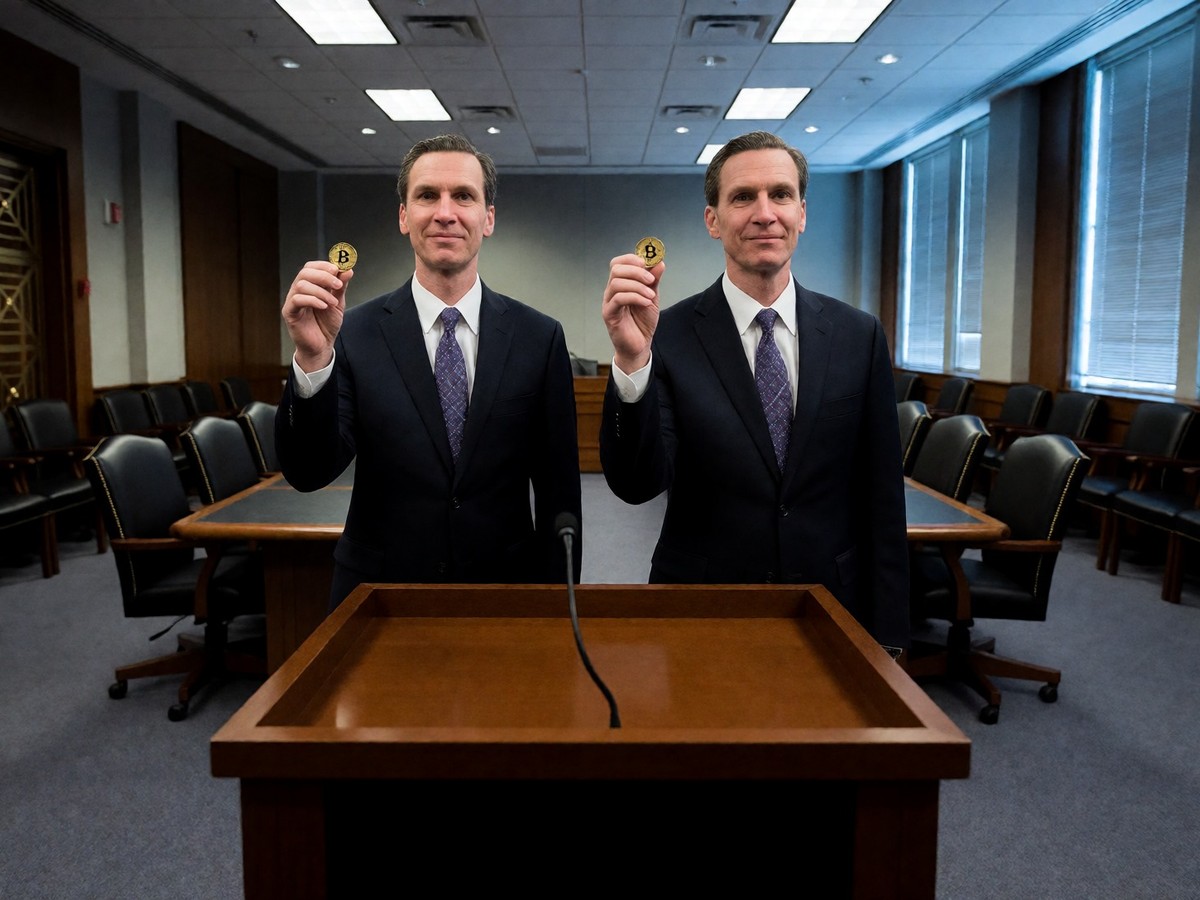
The Winklevoss twins fought for years.
The rules changed.
Will the infrastructure keep up with the demand?
Bitnomial Exchange launched the first U.S.-regulated XRP futures in March 2025. This launch started the six-month clock for XRP’s ETF eligibility. This follows the same pattern seen with Aptos in January 2026 and Tezos in February 2026.