 Bitcoin News
Bitmain Antminer S21 XP: A beginner’s guide to the 270 TH/s model

Performance and Specifications
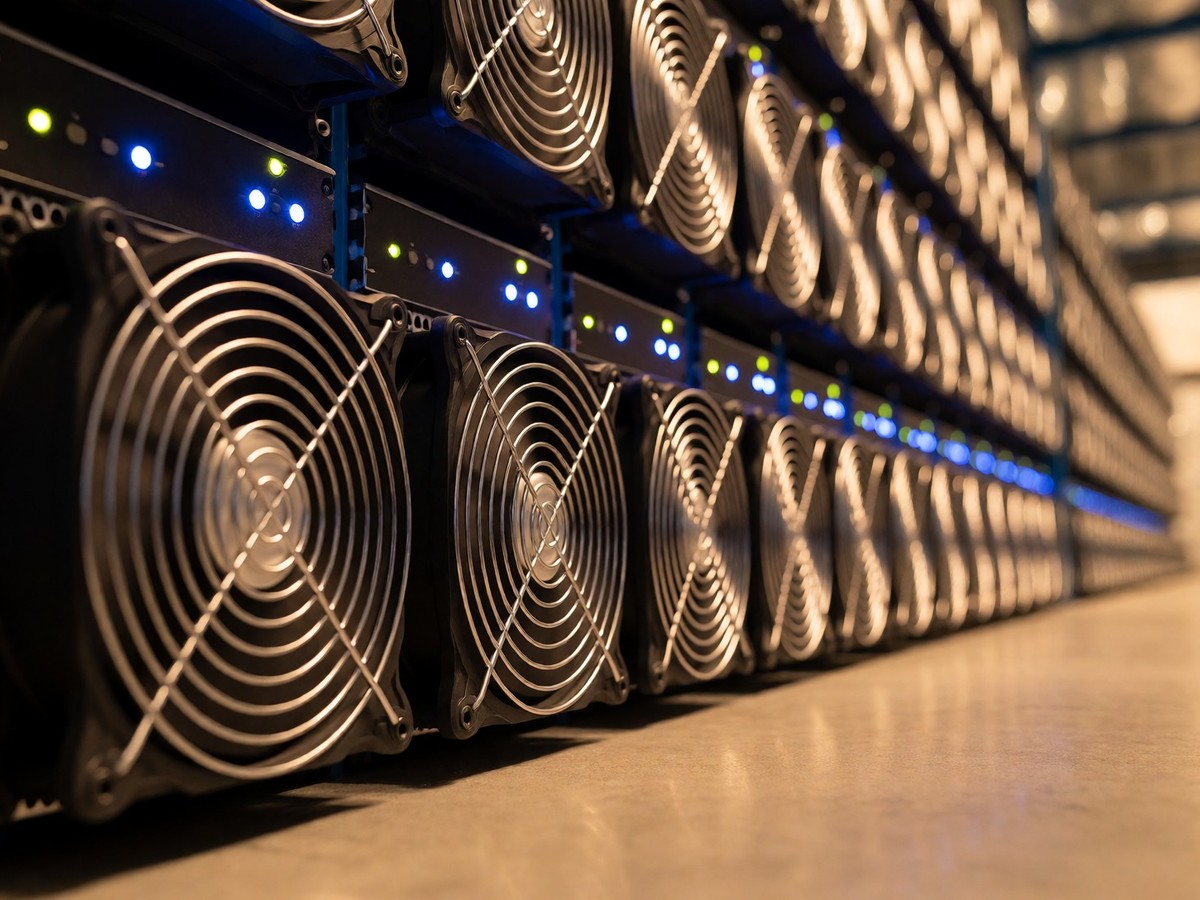
The Bitmain Antminer S21 XP delivers 270 TH/s of SHA-256 hashrate with 13.5 J/TH efficiency. The 13.5 J/TH efficiency rating results in a 37% reduction in electricity per terahash when compared to the S19 XP Pro at 21.5 J/TH, which compounds into thousands of dollars over the machine’s operating life. While the headline states 270 TH/s, the 3% hashrate tolerance means actual output ranges from 262 to 278 TH/s. I find these variations important for building realistic profit projections. For those managing larger fleets, the 13.5 J/TH efficiency provides a significant margin over the S21 Pro at 15 J/TH or the S21+ at 16.4-16.7 J/TH. The unit weighs 18.7 kg and measures 449 x 219 x 293 mm. It operates best between -20 and 45 degrees Celsius. The machine uses a SHA-256 algorithm for Bitcoin mining.
| Spec | Value |
|---|---|
| Hashrate | 270 TH/s (+/-3%) |
| Power Consumption | 3,645W (+/-5%) |
| Efficiency | 13.5 J/TH |
| Algorithm | SHA-256 |
| Noise Level | 75-76 dB |
| Operating Temp | -20 to 45°C |
Infrastructure and Noise Reality
The S21 XP draws 3,645W continuously and requires a dedicated 240V circuit with at least a 20A breaker. Because the 5% power tolerance allows the wall draw to reach 3,827W, most residential electrical panels require a significant upgrade to support this load without tripping breakers or creating a fire risk. This continuous 3,645W load produces approximately 12,400 BTU/h of heat. I would never recommend this for a bedroom or office because the 75-76 dB noise level matches a running vacuum cleaner. You must plan your ventilation carefully to prevent heat from recirculating into the intake.
Electricity rates determine if you earn a margin or just heat your room. The gap between $0.06 and $0.12/kWh costs over $1,900 per year on one machine, which means your local electricity contract dictates whether you earn a profit or simply run an expensive space heater. At $0.07/kWh, the S21 XP generates roughly $1.50 in daily profit. I advise looking at hosted mining to access institutional rates between $0.065 and $0.08/kWh. Most buyers should host because the 76 dB noise, 3,645W power draw, and continuous heat output exceed what standard residential setups can handle. If you already understand the fundamentals, you know that electricity costs dwarf hardware expenses. Does the noise level alone make hosting the only logical choice for your setup?
Comparison and Profitability
The S21 XP competes with the S21 Pro and the S23. The S21 Pro delivers 234 TH/s at 15 J/TH, while the S23 hits 305 TH/s at 11 J/TH. The S23 costs much more, often exceeding $8,349, whereas the S21 XP sits between $4,200 and $5,500. At $0.07/kWh, the S23 earns over double the daily profit of the S21 XP, making it a stronger long-term bet. However, the S21 XP breaks even faster for capital-constrained buyers due to its lower upfront cost. The S23 weighs 20.6 kg.
The S21 XP optimizes for long-term operating costs per terahash. I classify this machine as a professional-grade tool that fails the beginner test. Most novices lack the electrical infrastructure or the patience for 76 dB of constant noise. You should focus on your electricity contract before committing thousands to hardware. If you manage a fleet of 50 units, the 1.5 J/TH efficiency advantage over the S21 Pro creates a meaningful operational advantage that compounds every single year the machines run. I would skip this model if your electricity rate exceeds $0.15/kWh. The machine consumes 2,624 kWh per month to run nonstop.