 Bitcoin News
Block’s mining ASIC division changes Bitcoin hardware decentralization debate

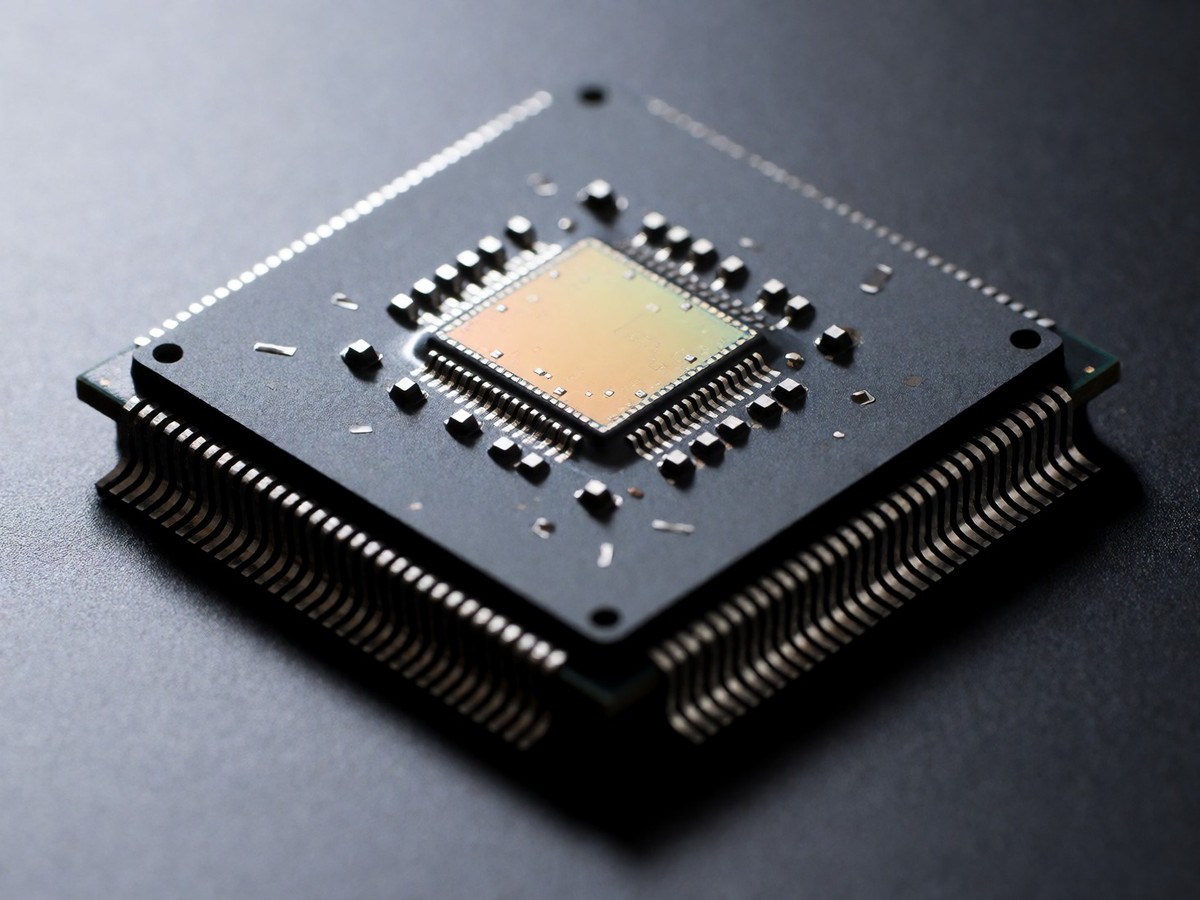
Block, Inc. finished development of a standalone three-nanometer bitcoin mining chip in April 2024 and is now working through the design with a semiconductor foundry. The company explicitly stated its goal is to decentralize the supply of bitcoin mining hardware and the distribution of hashrate, which serves as a proxy for industry competition and mining difficulty. This move directly addresses what CNBC identified as a "major barrier to entry" caused by the relative difficulty in sourcing mining rigs, their high prices, and unpredictable delivery schedules. By controlling the silicon itself, Block aims to disrupt the current market structure where a few large manufacturers dominate the production of application-specific integrated circuits.
The Chip and the Supply Chain
The technical specifications are straightforward but significant for the industry. Block completed the design of its own ASIC before moving into the fabrication phase with a foundry partner. The company is developing a "full bitcoin mining system" rather than just selling raw chips, which suggests an integrated approach to hardware deployment. In July 2024, Block signed a "large-scale crypto mining hardware pact" with Core Scientific, agreeing to supply these chips to the miner without disclosing financial details. This partnership signals that the hardware is ready for commercial scale-up. The existence of a dedicated product line named Proto within Block’s portfolio confirms that this is not a side project but a core business unit.
I find it hard to ignore the strategic implication here. If one company can control the manufacturing of the most efficient mining hardware, does that truly decentralize the network or merely shift the bottleneck from software to silicon? The argument for decentralization rests on the idea that more participants can enter the market if hardware is cheaper and easier to obtain. Block claims its solution solves the sourcing issues that keep smaller miners out. However, the reliance on a single semiconductor foundry introduces a new dependency. The previous model involved multiple vendors like Bitmain and MicroBT; now, a major financial services firm is entering the supply chain. This changes the power dynamics in ways that pure hardware vendors did not face.
Strategic Focus and Resource Allocation
Block has clearly prioritized this initiative over other ventures. In November 2024, the company announced it was winding down TBD and scaling back investments in Tidal while focusing resources on its bitcoin mining initiative and Bitkey. This reallocation of capital underscores the seriousness of the pivot. The company changed its stock ticker from SQ to XYZ in January 2025, signaling a broader rebranding effort that aligns with its technological ambitions. By February 2026, Block had laid off over 4,000 employees out of 10,000, citing artificial intelligence as a primary reason, yet shares jumped 24% following the announcement. The market reaction suggests investors view the mining hardware push as a strong value driver.
The financial context supports this aggressive stance. As of 2024, Block processed $241 billion in payments annually and held approximately 8,027 bitcoins. The company initially invested $50 million in Bitcoin in October 2020, citing its potential to be a more ubiquitous currency. That early bet has matured into a vertical integration strategy. Block does not just hold the asset; it now manufactures the tools used to secure it. This creates a closed loop where the issuer of payment infrastructure also controls part of the validation layer. For a company with 57 million users and 4 million sellers, this level of involvement goes far beyond passive investment.
Implications for Network Security
The debate over hardware decentralization often centers on who controls the hashrate. Block’s entry complicates this picture. By supplying chips to Core Scientific, Block influences how much computational power enters the network. The company’s stated aim is to improve the distribution of hashrate, but critics might argue that concentrating chip production in one entity reduces diversity. The three-nanometer process puts Block at the leading edge of efficiency, potentially making older hardware obsolete faster. This rapid obsolescence could hurt small miners who cannot afford frequent upgrades.
I am skeptical about whether this actually lowers barriers to entry for everyone. High-end chips require sophisticated cooling and power management, which adds complexity for new operators. Block’s full system approach helps, but it also ties users to their ecosystem. The question remains: does having one major player in the chip supply make the network more resilient or more fragile? If Block were to exit the market or face regulatory pressure, would the supply of next-generation ASICs suffer? The answer is unclear, and that uncertainty is exactly why the hardware decentralization debate is heating up. Block has forced the community to rethink what decentralization means when the biggest players are building the shovels.