 Bitcoin News
CleanSpark’s vertical integration strategy matters now

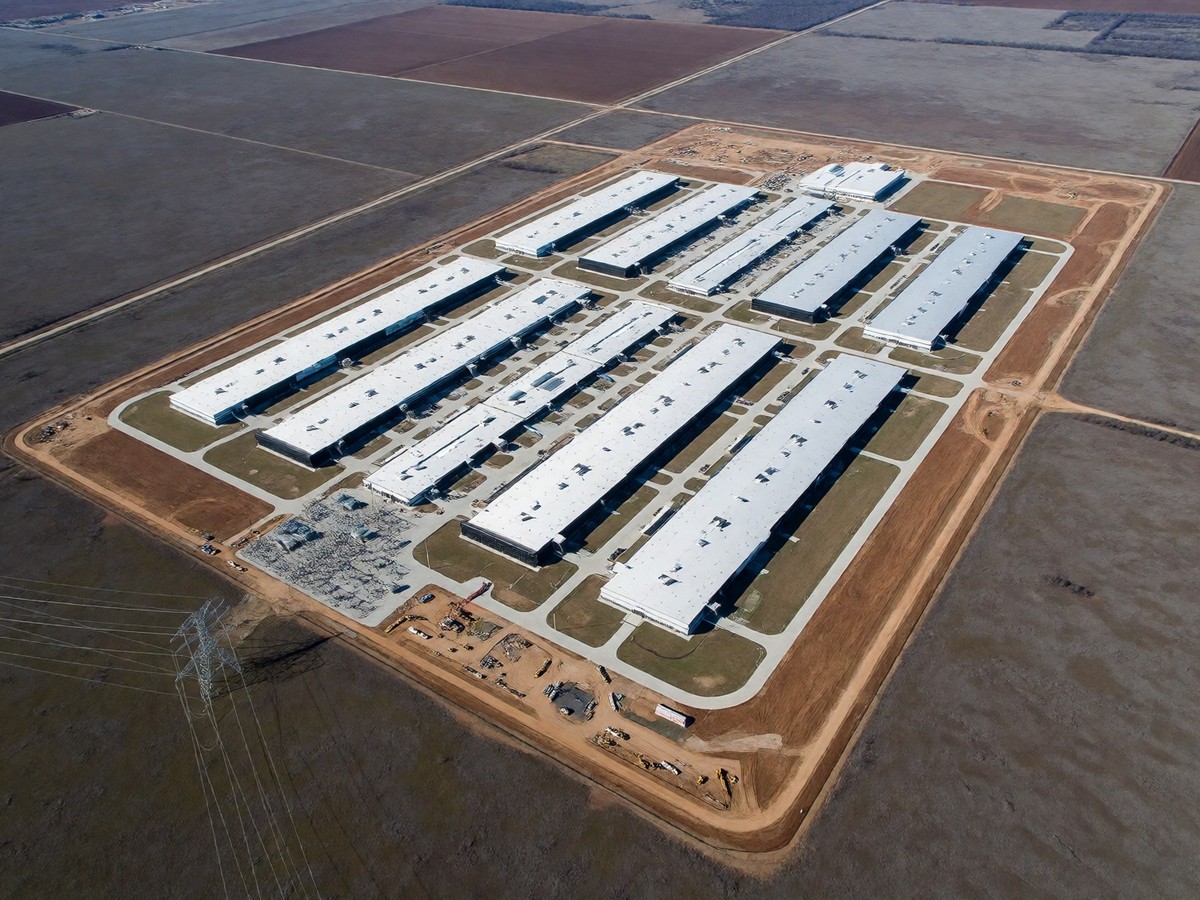
CleanSpark controls a portfolio of more than 1.8 GW of power, land, and data centers across the United States. This scale is no longer just about mining Bitcoin; it is the foundation for a diversified digital infrastructure platform. The company’s shift from a pure-play miner to a developer of high-performance compute (HPC) capacity has changed how I view its risk profile. The strategic move to secure long-term power agreements in energy-advantaged regions gives CleanSpark a structural edge over peers who rely on spot market pricing. I see this vertical integration as the primary driver of future value, not the volatility of the coin itself.
Power security drives the AI pivot
The acquisition of approximately 271 acres in Austin County, Texas, is the clearest evidence of this strategic shift. CleanSpark executed long-term power supply agreements totaling 285 MW, which increases their contracted power by 28%. This site sits between Houston and Austin at the intersection of abundant power, fiber connectivity, and pro-development energy policy. The company intends to begin site design immediately, with phased development expected to support AI workloads. Energization of more than 200 MW is scheduled for the first half of 2027. This timeline aligns with the accelerating demand for AI compute that CEO S. Matthew Schultz described as a major milestone in the company’s evolution. By locking in power costs before construction begins, CleanSpark mitigates one of the biggest risks in data center development: utility rate inflation.
I note that the site also provides load balancing capabilities for local electric municipal cooperatives. This is a unique benefit because miners can curtail energy use based on local demand during extreme weather events. While this improves community relations, it also means the company must manage complex interruptible-load designated power purchase agreements. The ability to switch between Bitcoin mining and HPC workloads depends entirely on this flexibility. If the grid requires curtailment, CleanSpark can pause mining operations without losing the underlying infrastructure investment. This operational agility is what makes the vertical integration model resilient against both crypto cycles and AI demand fluctuations.
Operational scale meets financial reality
As of June 30, 2026, CleanSpark’s operational hashrate reached 50 EH/s, with an average operating hashrate of 42.6 EH/s. The deployed fleet stood at 225,137 units, achieving a peak efficiency of 16.07 J/Th. These numbers confirm that the company successfully scaled from its earlier target of 20 EH/s. However, the financial picture is mixed. In the quarter ended December 31, 2025, the company swung from net income of $246.79 million to a net loss of $378.71 million. This sharp decline was driven by mark-to-market swings on its Bitcoin holdings rather than operational failure. Production remained steady, with 573 Bitcoin produced in January 2026 alone.
| Metric | Value |
|---|---|
| Operational Hashrate | 50 EH/s |
| Average Operating Hashrate | 42.6 EH/s |
| Deployed Fleet Size | 225,137 units |
| Peak Efficiency | 16.07 J/Th |
| Total Bitcoin Holdings | 13,924 BTC |
The balance sheet holds 13,924 Bitcoin, of which 1,719 was posted as collateral or receivable related to derivative transactions. Analysts forecast revenues of $1.15 billion for 2026, representing an 82% increase over the past twelve months. Per-share earnings are expected to jump 35% to $1.41. Despite the recent quarterly loss, the consensus price target rose 6.4% to $20.43. This suggests that investors are looking past short-term volatility to the long-term earnings potential of the expanded infrastructure. The question remains whether the company can convert its massive power portfolio into sustainable margins without relying on speculative Bitcoin price movements.
Strategic optionality in a volatile market
CleanSpark’s approach to hardware procurement demonstrates the same discipline seen in its power acquisitions. The company secured a call option to purchase 100,000 Bitmain S21 miners at a fixed price of $16.00 per terahash. This hedge protects against machine price spikes, which historically increased three to five times during bull markets. By controlling variable costs, CleanSpark can time its infrastructure growth with macro events while maintaining cost certainty. The initial batch of 60,000 units shipped in the second quarter of 2024, allowing the company to test real-world performance before scaling further.
This fixed-price strategy contrasts sharply with competitors who buy hardware at market rates. It allows CleanSpark to expand capacity even when Bitcoin prices are low, ensuring they have the necessary hashpower ready for the next cycle. The company’s focus on the S21 model, deemed the most efficient machine on the market, further supports this efficiency-driven strategy. I believe this combination of low-cost power, efficient hardware, and diversified revenue streams creates a durable competitive advantage. The risk lies in execution: if the Texas campus delays energization or if AI demand slows, the capital intensity of the project could strain cash flow. But given the locked-in power contracts and the proven operational track record, I see the vertical integration as a clear path to sustained shareholder value.