 Bitcoin News
El Salvador’s growing bitcoin treasury defies IMF limits

Treasury accumulation versus international pressure
The Bitcoin Office reported holdings of 7,762.37 BTC in early September 2026, a stash worth approximately $602.84 million. This total conflicts with the December 2024 agreement with the International Monetary Fund, which established a 40-month program to bar voluntary public-sector bitcoin accumulation. I find the government’s continued acquisition of roughly 1 BTC per day despite these constraints to be a blatant disregard for the IMF’s quantitative performance criterion. While the IMF agreement prohibits new public-sector purchases, the national reserves grew from 5,968 BTC in December 2024 to this current multi-million dollar pile. In May 2026, the reserve stood at 6,494 BTC, valued at over $600 million. The IMF also urged El Salvador to dissolve the $150 million trust fund created during the initial Bitcoin push and return any unused funds to the treasury. This recommendation follows the international lender’s earlier statement urging El Salvador to drop Bitcoin as legal tender. The IMF and the Salvadoran government have been negotiating $1.3 billion in lending for months. I see the accumulation of these assets as a direct challenge to the IMF’s attempt to manage El Salvador’s fiscal risk.
The shift to voluntary acceptance
Legislative Decree No. 199 took effect around May 1, 2025, and dismantled the legal framework that once forced merchants to accept cryptocurrency. This reform, which became effective roughly 90 days after publication, made acceptance by private parties voluntary and removed the state obligation to automatically convert bitcoin to dollars at a fixed rate. I interpret the government’s characterization of bitcoin as a digital vault as an attempt to ignore the reality that nine out of ten everyday payments in the country still use the US dollar. Tax obligations must be paid in US dollars because the 2021 allowance for settling taxes in bitcoin ended. The state digital wallet, Chivo, also faced a mandatory phase-out from public-sector operation by the end of July 2025. This phase-out served as a clear operational test of the agreement with the IMF. The legal architecture that once forced merchants to accept cryptocurrency changed when Legislative Decree No. 199 took effect around May 1, 2025, stripping businesses of their obligation to accept digital assets and making acceptance entirely voluntary. Since the law no longer characterizes bitcoin as currency in the legal text, most businesses treat it as an optional payment mechanism. The 2025 reform codified the usage patterns that had already emerged since the original 2021 law.
Mining profits and volcanic energy
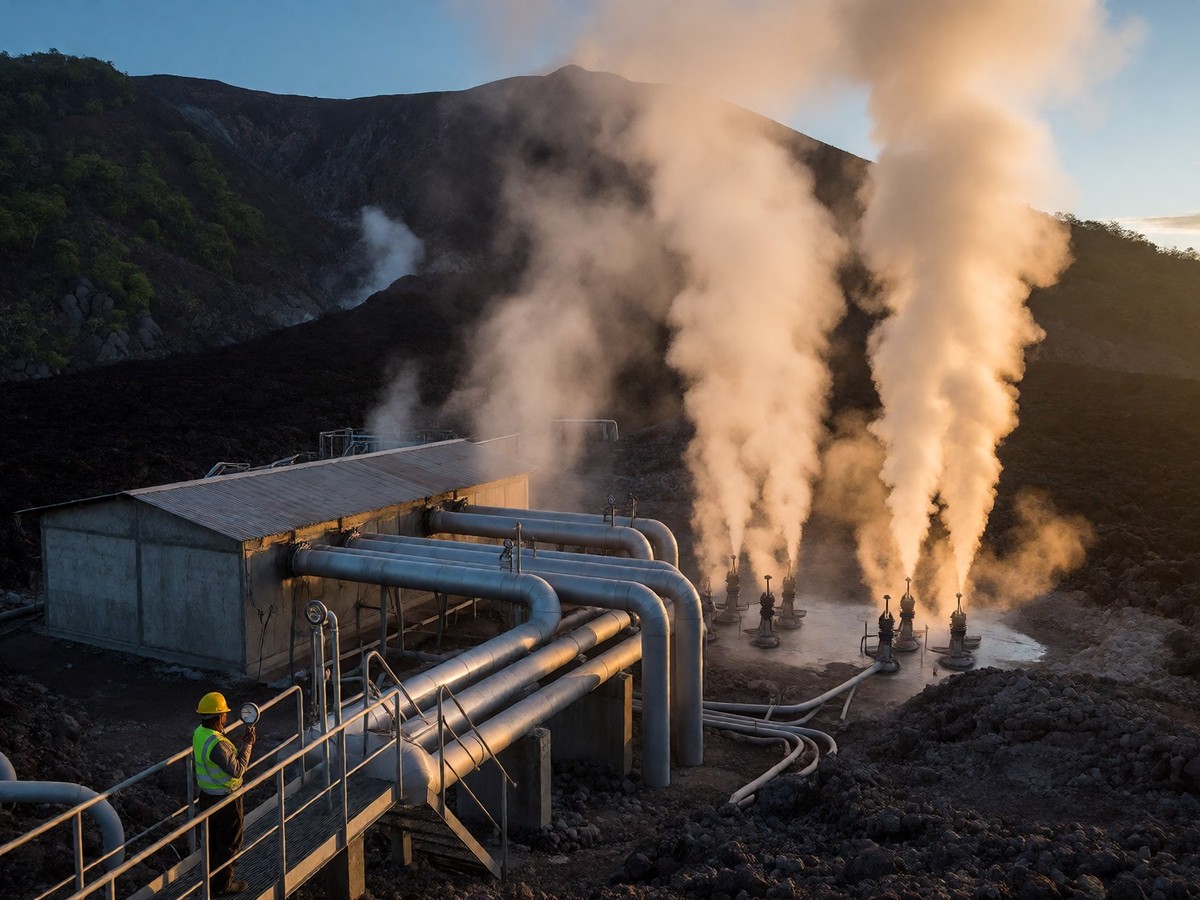
Volcano Energy and Luxor Technology launched the Lava Pool to tap into geothermal energy for mining. This initiative allows the country to use heat from volcanoes to power mining rigs, which provides a steady energy source. I find the plan to use volcanic heat as a "green battery" to be an attempt to mask the high costs of geothermal infrastructure compared to fossil fuels. The government now owns about 474 bitcoins from these mining operations. The administration continues to drive the Bitcoin narrative through mining, even as the IMF monitors compliance with the $1.4 billion agreement. Volcano Energy secured $1 billion in investment commitments in June, with $250 million already deployed. The firm will contribute 23% of its net income to the El Salvador government as part of a public-private partnership.
| Metric | Value |
|---|---|
| Total BTC holdings | 7,762.37 BTC |
| Current valuation | $602.84 million |
| Unrealized profit | $167.82 million |
| Daily purchase rate | 1 BTC |
The country holds gains worth more than $219 million, based on an average acquisition price of roughly $45,200 per coin and a current price near $74,000. Does the rising value of these digital assets justify the fiscal risk of ignoring IMF warnings? You should watch how the government manages the widening gap between its digital vault and the dollar-based reality of its citizens.