 Ethereum News
Ethereum Blob Fees Hit 30-Day High as Demand Exceeds Target

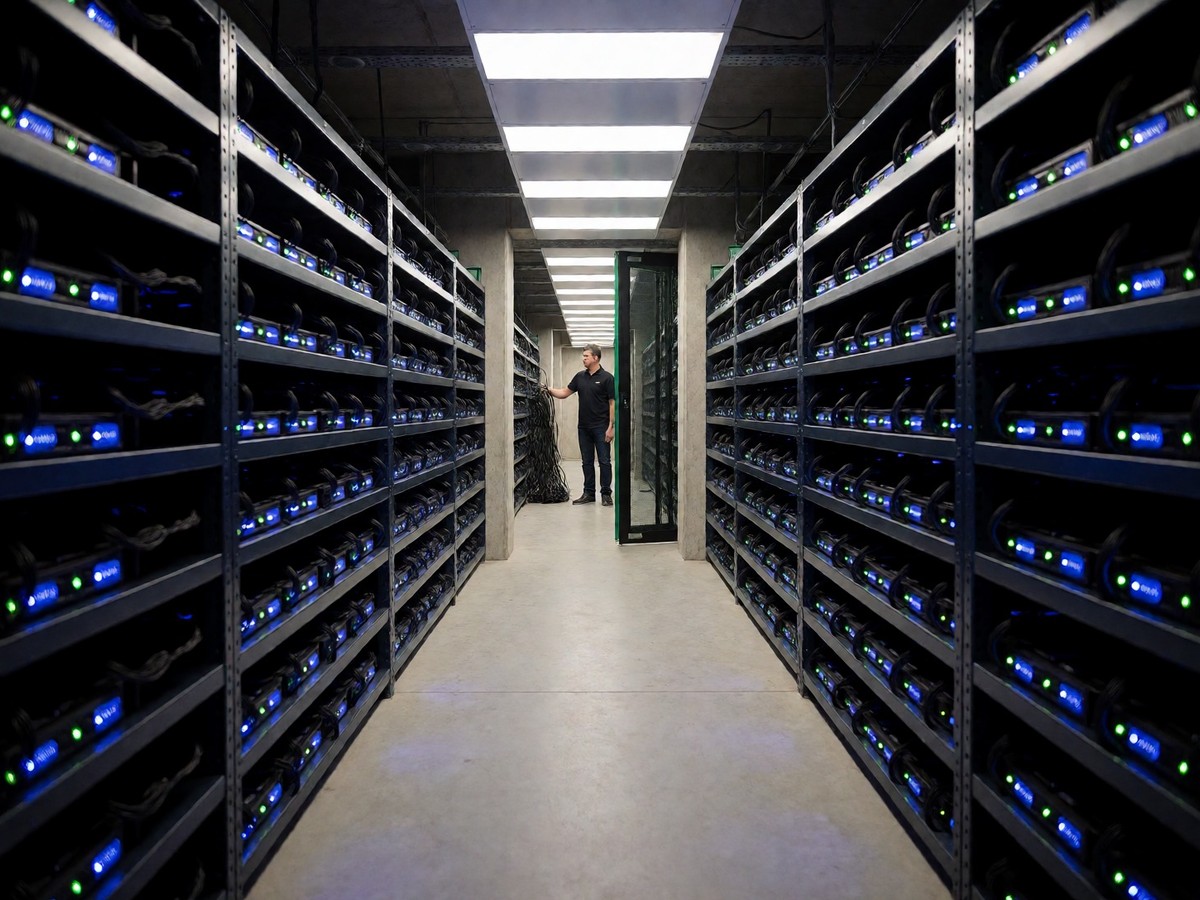
Ethereum’s blob fee market has finally escaped its 1-wei floor, a shift driven by organic demand rather than speculative activity. This month, the average number of blobs posted per block reached 4.3, pushing the base fee to a 30-day high of $80. This surge marks the first sustained period where Layer 2 rollups could not simply delay their data submissions to stay under the previous target. The result is a functional price discovery mechanism that had been dormant for over a year, signaling that the dedicated data lane for rollups is now operating at capacity constraints.
From Cold Start to Price Discovery
For most of the year following the Dencun upgrade, blob fees remained negligible because demand stayed below the three-blob target. Rollups exploited this by batching transactions late, keeping usage low to minimize costs and maintain competitive user fees. However, this strategy hit a hard limit as the number of active Layer 2s grew from ten to over fifty. With networks like Optimism requiring data posting within 12 hours, sequencers can no longer indefinitely delay submissions without jeopardizing user security or triggering dissatisfaction. Consequently, the average blob count rose to 4.3, exceeding the old target and forcing the exponential base fee algorithm to activate.
The economic impact is immediate and measurable. In the past seven days, blob fees burned over 166 ETH, valued at approximately $560,000. This burn rate reactivated Ethereum’s deflationary mechanism, which had been effectively idle during the low-fee era. The shift confirms that the "loss leader" strategy of offering cheap data availability is working: it attracted enough ecosystem growth to create genuine scarcity. Yet, this success also exposes a design flaw in the current parameters. The market is now operating in a state of excess demand relative to the original target, meaning fees will remain elevated until the protocol adjusts its supply parameters.
The Target Demand Paradox
A critical issue emerges when analyzing why the fee market struggled to find equilibrium even as usage approached the target. Simulations show that for the fee to rise above the minimum, average consumption must exceed 3.13 blobs per block. Below this threshold, the system registers as "insufficient demand," and the fee stays at 1 wei regardless of how close usage gets to the target. This creates a paradox where the market cannot discover a fair price unless it enters a state of excess demand. Current on-chain data suggests that the distribution of blob usage resembles a bimodal pattern, with optimistic rollups using five or six blobs while ZK rollups use only one or two.
This variance helps stabilize the market but does not solve the core pricing problem. To reach true equilibrium, consumption needs to sustainably exceed 3.20 blobs per block for several days. Until then, the fee remains artificially low, depriving Ethereum of potential revenue. The upcoming Pectra fork aims to address this by doubling the target to six blobs and increasing the maximum to nine. However, simulations indicate that under these new parameters, the effective demand range shifts to between 6.57 and 6.72 blobs. If actual usage hovers around the new target of six, the market will again fail to reach equilibrium, leaving fees stuck at the floor. This suggests that simply increasing capacity may not fix the underlying incentive structure.
Balancing Supply and Economic Reality
The community is currently debating whether to adjust the fee scaling mechanism to avoid this recurring paradox. One proposal suggests making the base fee scaling symmetric, allowing fees to drop faster during low demand and rise faster during high demand. Another idea involves setting a higher initial value for excess blob gas, similar to a Dutch auction, to force price discovery quickly. These approaches aim to ensure that the fee reflects the true cost of data availability without waiting for months of gradual demand growth.
However, critics argue that raising the minimum blob fee too high could stifle adoption. If the fee exceeds what a subsidized or congested Layer 2 can afford, those networks will stop posting data to Ethereum, reducing overall throughput. The goal is to balance profitability with accessibility, ensuring that Ethereum becomes profitable through Layer 2 usage without pricing out smaller chains. For developers, the implication is clear: blob fees are no longer free. You must account for volatility in your cost models and consider alternative data availability layers during peak periods. The question remains whether the protocol can scale fast enough to keep up with the exploding demand before fees become prohibitive for the entire ecosystem.