 Bitcoin News
Marathon Digital’s Immersion Cooling Deployment Explained in Plain Terms

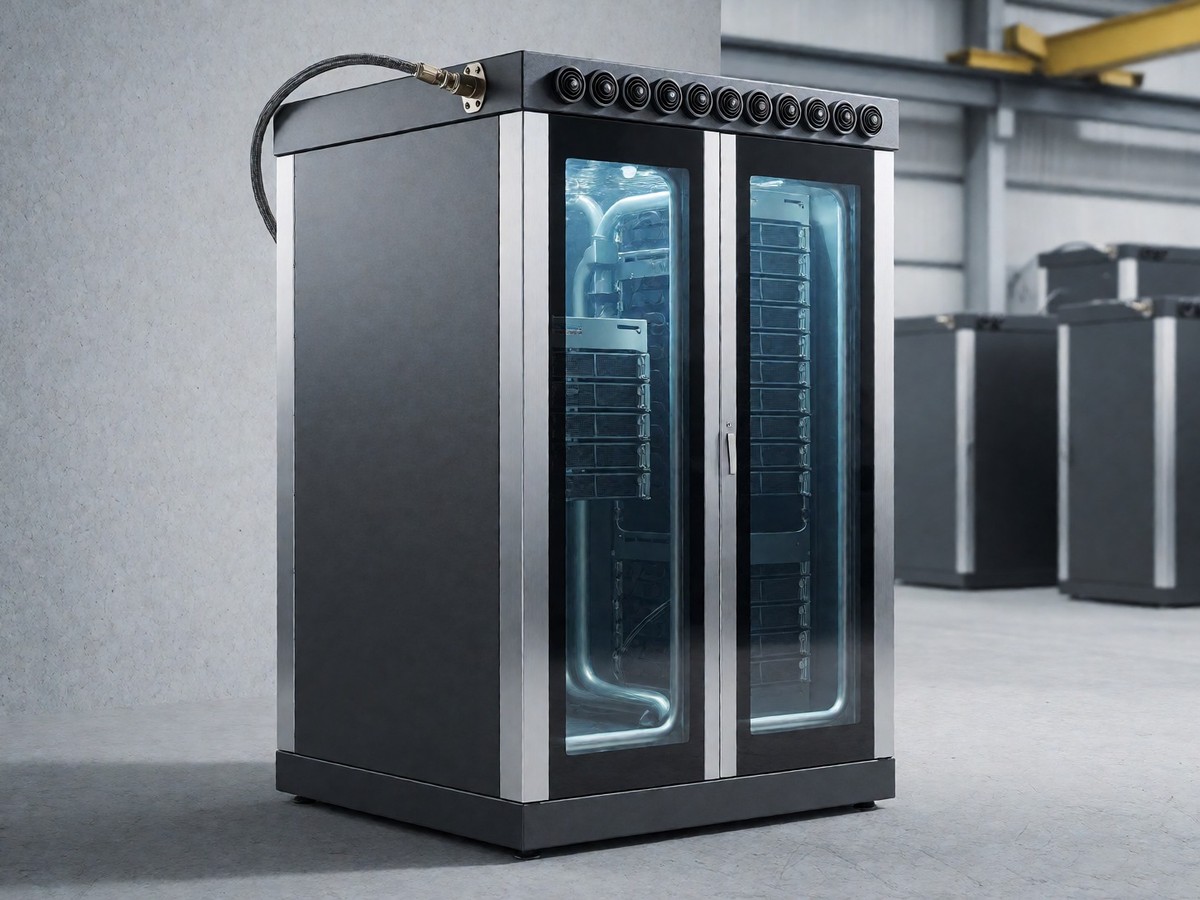
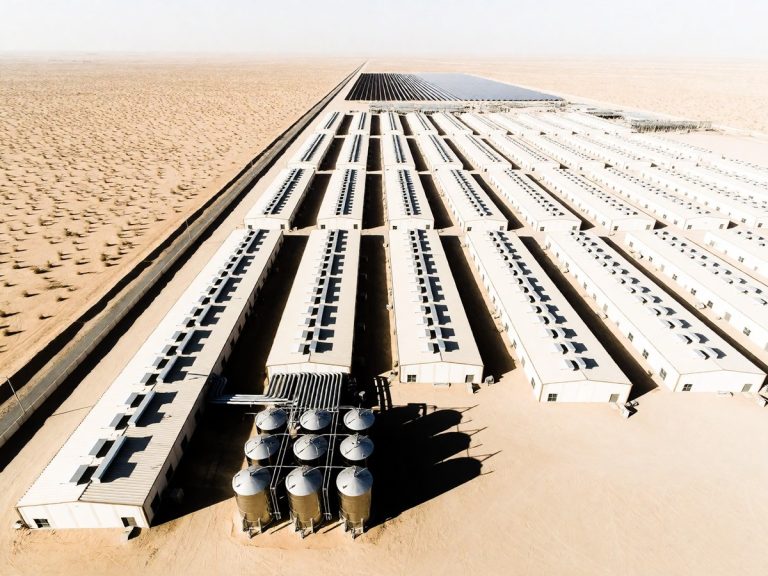
Marathon Digital’s shift to immersion cooling is driven by the physical limits of air, which cannot economically carry away the heat generated by high-density AI and mining hardware. Traditional air-cooled systems typically support 10 kilowatts per rack, but immersion tanks handle up to 150 kilowatts per tank, allowing operators to increase processing power within the same footprint without new facilities. This density jump means a facility that previously ran at 30 to 50 megawatts can now support 150 to 250 megawatts in the same space. The technology submerges servers in a dielectric liquid that absorbs heat directly from components, eliminating the need for server fans and reducing energy waste. With this method, data centers can achieve a Power Usage Effectiveness (PUE) below 1.0, ensuring nearly all energy goes to computing rather than outdated cooling methods.
The Physics of Heat Rejection
The core advantage is not that immersion eliminates heat, but that it moves heat more efficiently from the chip to a controlled liquid loop. Every watt consumed by computing equipment becomes heat that must leave the facility; a 1 MW load creates approximately 3.41 million BTU per hour of thermal output. Whether the equipment is air-cooled or immersed, that heat still has to be rejected outdoors, recovered for a useful process, or transferred to another system. Operators often misunderstand this, assuming the tank solves the entire problem, but the facility still requires a complete heat-rejection strategy. A well-designed installation needs mechanical-room ventilation, make-up air where required, building exhaust, and controls that account for the full operating load. The infrastructure is simpler than traditional setups because you do not need chillers, CRAC units, or cooling towers; a dry cooler and a few pumps are sufficient. From an electrical standpoint, the setup operates similarly to air-cooled ones, meaning no significant changes to the existing electrical distribution are necessary.
Infrastructure Density and Retrofitting
Retrofitting existing infrastructure is more straightforward than it appears and can free up valuable space in your data center. While direct-to-chip liquid cooling presents its own challenges with detailed piping and manifolds that complicate upgrades, immersion offers a simpler solution. Servers can be replaced without modifying the cooling infrastructure, making maintenance faster and easier. In contrast, every time a server needs swapping in a direct-to-chip system, the cooling connections must also be reconfigured, adding complexity and costs. The increased capacity allows for smaller, more efficient data centers in locations previously considered impractical, such as urban centers or industrial zones. You can extend the capabilities of your existing AI infrastructure without investing in additional servers or cooling systems, maximizing performance while reducing both energy consumption and operational costs. This approach enables GPUs to consistently run at 100% performance, offering up to a 20% improvement over air-cooled environments where thermal limitations prevent full capacity operation.
| Metric | Air-Cooled System | Immersion Cooled System |
|---|---|---|
| Rack Density | 10 kW/rack | Up to 150 kW/tank |
| Facility Capacity | 30-50 MW | 150-250 MW |
| PUE | Typically > 1.0 | Below 1.0 |
| Required Hardware | Chillers, CRACs, Towers | Dry Cooler, Pumps |
Operational Realities and Future Proofing
Immersion cooling removes constraints that limit GPU performance, enabling consistent operation at full capacity. However, the total efficiency result depends on pumps, fans, fluid temperatures, and whether mechanical refrigeration is required. A well-engineered system may use warm-water loops and dry coolers for much of the year, reducing compressor operation, but hotter climates can require supplemental chilling. Heat reuse is another emerging part of the equation; immersion systems can deliver a more consistent heat stream suitable for district heating, greenhouses, or industrial processes. This repurposing reduces energy waste and contributes to sustainable operations, though the project only works when heat demand matches the computing load in timing, temperature, distance, and reliability. Operators should avoid designing around tank count alone and instead start with actual electrical demand and expected growth. A system that performs well during a mild day may lose capacity during a hot summer afternoon if dry cooler selection was underestimated. The future of this technology will be decided by how reliably systems can be operated, serviced, and expanded, not just by thermal performance.