 Ethereum News
Ethereum solo staking: five myths vs facts

Solo validators earn 2.5% to 5% APY. This range includes consensus layer rewards like attestations, block proposals, and sync committee participation. MEV-Boost adds 0.5% to 1% additional yield. The Pectra upgrade, which went live in May 2025, changed reward mechanics via EIP-7251. This upgrade raised the maximum effective balance to 2,048 ETH. Auto-compounding provides a 1% to 1.5% APR uplift over time. This removes the need to manually sweep rewards once a balance exceeds 32 ETH. I see how this extra yield offsets the 28% compression in rewards seen recently.
Saturn and the 4 ETH Bond
The Saturn 1 upgrade arrived in February 2026. It lowered the minimum node bond from 8 ETH to 4 ETH. The 4 ETH megapools are single smart contracts that act as Ethereum withdrawal addresses for multiple validators, which increases the commission per ETH bonded to 35% compared to the 15% seen with 8 ETH minipools. This 4 ETH minipool bond confuses 34,000 home validator operators. The Rocket Pool Protocol DAO (pDAO) manages on-chain settings and treasury funds. The pDAO is run by RPL governance and includes a Security Council. This council can propose and execute changes to pause the protocol if issues occur. The protocol also uses a Universal Adjustable Revenue Split. This system gives 5% to node operators and 9% to RPL stakers. The remaining 86% goes to rETH holders. Does the shift toward megapools favor larger operators over solo stakers?
Hardware and Electricity
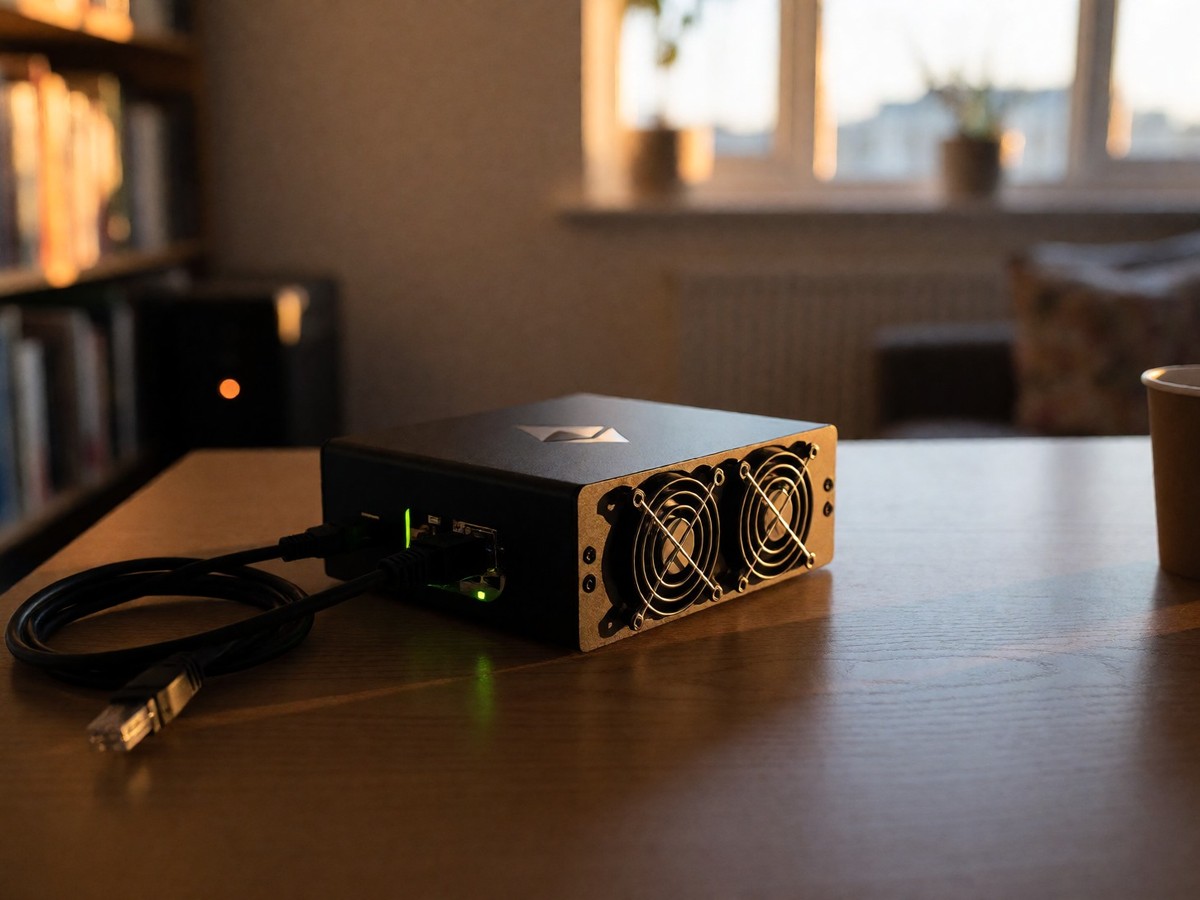
Hardware costs $2,000 to $4,000 upfront. Electricity is a significant cost. US household power is 18.2 cents per kWh in 2026. In the UK, the energy regulator raised the price cap to 26.32 pence per kWh on 1 October 2026. A validator needs an 8 to 12 core processor with a 3,500 PassMark single-thread score. You need 64GB of RAM to prevent contention between the execution and consensus clients. Use 4 to 8TB of NVMe SSD storage for the growing state. An internet connection must provide 50+ Mbps of dedicated bandwidth. A UPS provides a 15 to 20 minute window for a clean shutdown. You should budget for the higher end of the storage range if you plan to run the node for multiple years without upgrades. Use Ubuntu 24.04 LTS for the most tested environment. Client diversity is important. Avoid running Geth and Prysm as your primary pair to reduce correlation penalties. Lighthouse and Nethermind are good choices for solo stakers.
Liquid Staking Risks
Lido holds $26.3 billion in stETH as of 28 September 2026. It charges a 10% fee on staking rewards. Rocket Pool holds $1.4 billion in rETH. It uses a 5% commission and a 9% voter share. rETH is worth 1.17 ETH. Frax holds under $300 million in its Ether operation. Liquid staking removes the friction of 32 ETH requirements. It allows you to avoid the months-long entry queues. LSTs like stETH and rETH allow for instant market exits. About 32% of the total supply is locked in staking. This amount equals 39.2 million ETH. There are 889,654 active validators. Lido is the largest liquid staking provider. Rocket Pool is the decentralization alternative. Frax is the yield engineering option.