 Ethereum News
Ethereum’s Pectra-era 2,048 ETH maxEB and Lido decentralization

Breaking the 32 ETH Barrier
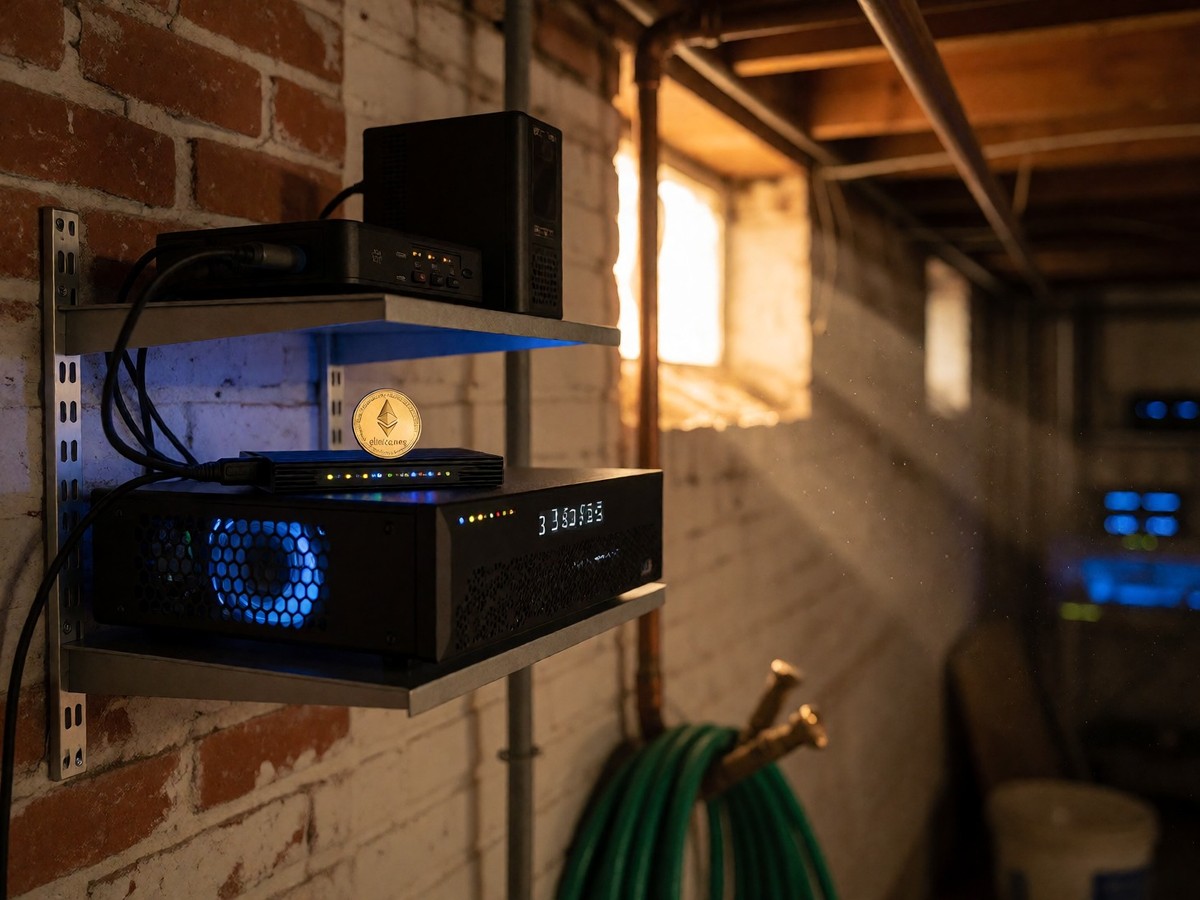
The Pectra upgrade changes validator economics through EIP-7251. This protocol change allows a single validator to hold a maximum effective balance of 2,048 ETH. Before Pectra, stakers limited their balance to 32 ETH per validator. Large stakers now consolidate multiple validators into fewer nodes to reduce operational overhead. Type 2 withdrawal credentials allow rewards to compound automatically. You must trigger partial withdrawals for any balance between 32 and 2,048 ETH. Because the initial slashing penalty dropped from 1/32 of the balance to 1/4096 of the effective balance, the operational risk for large validators with 2,048 ETH remains lower than previous iterations. EIP-7002 allows validators to exit via smart contract calls on the execution layer, which removes the need for pre-signed exit messages. EIP-6110 reduces validator deposit processing times from hours to approximately 13 minutes. Solo stakers require 4 TB of NVMe storage, 64 GB of RAM, and a modern multi-core CPU. Internet requirements stay at 50 Mbps download and 25 Mbps upload. Community guidance suggests a minimum of 64 GB of RAM for headroom. Solo stakers must also manage a valid set of signing keys to participate in network consensus.
Lido’s Decentralization Metrics
Lido V3 uses stVaults to provide non-custodial staking through user-defined validator setups. These modules allow stakers to choose node operators and set fee terms. The Community Staking Module (CSM) reached its 5% stake share limit in December 2025. By January 2026, 345 operators achieved Identified Community Staker (ICS) status. ICS offers a 6% reward share for the first 16 validators and provides deposit priority for the first 10 validators. Distributed Validator Technology (DVT) powers 22,233 validators, which equals 711,456 ETH. This DVT usage represents 1.99% of the total Ethereum stake. The Simple DVT Module (SDVTM) target stake share is 4.3%. Obol and SSV Network drive this growth within the Curated Module.
| Client Type | Lido Share |
|---|---|
| Nethermind | 39% |
| Geth | 37% |
| Besu | 18.7% |
Lido’s validator set maintains high client diversity. No Consensus client exceeds 33% of the Lido validator set. The Curated Module uses 36 Node Operators to manage its validators. The Curated Module maintains a Gini coefficient of 0.001 and an HHI of 0.0278. As of January 2026, the decentralized modules collectively represented nearly 800,000 ETH, which is 2.2% of total Ethereum stake and nearly triple the amount recorded at the end of 2024.
The Yield and Control Dilemma
Ethereum staking yields in 2026 differ by venue. Solo validators earn between 3.2% and 3.8% annual yield. Liquid staking through Lido and Rocket Pool provides 3.0% to 3.5% net yield after fees. Centralized exchanges like Coinbase provide 2.5% to 3.0% net yield after exchange fees. Restaking through EigenLayer adds a layered 1% to 3% return. MEV income accounts for around 30% of validator income, though volatility in DeFi activity affects this. Approximately 32% of the total ETH supply is currently staked. Yield compression occurs because more ETH enters the network to improve security.
| Staking Venue | 2026 Net Yield |
|---|---|
| Solo Validators | 3.2% – 3.8% |
| Liquid Staking | 3.0% – 3.5% |
| Centralized | 2.5% – 3.0% |
You know the trade-off between control and liquidity. Solo staking remains the best option for those who want full access to rewards. Lido V3 scales flexibility for those who want custom validator setups. Lido holds 28% of all staked ETH. Will the rise of stVaults eventually erode the Core Pool’s dominance?