 Ethereum News
Ether.fi wallets and Puffer validator momentum

The ether.fi Neobanking Pivot
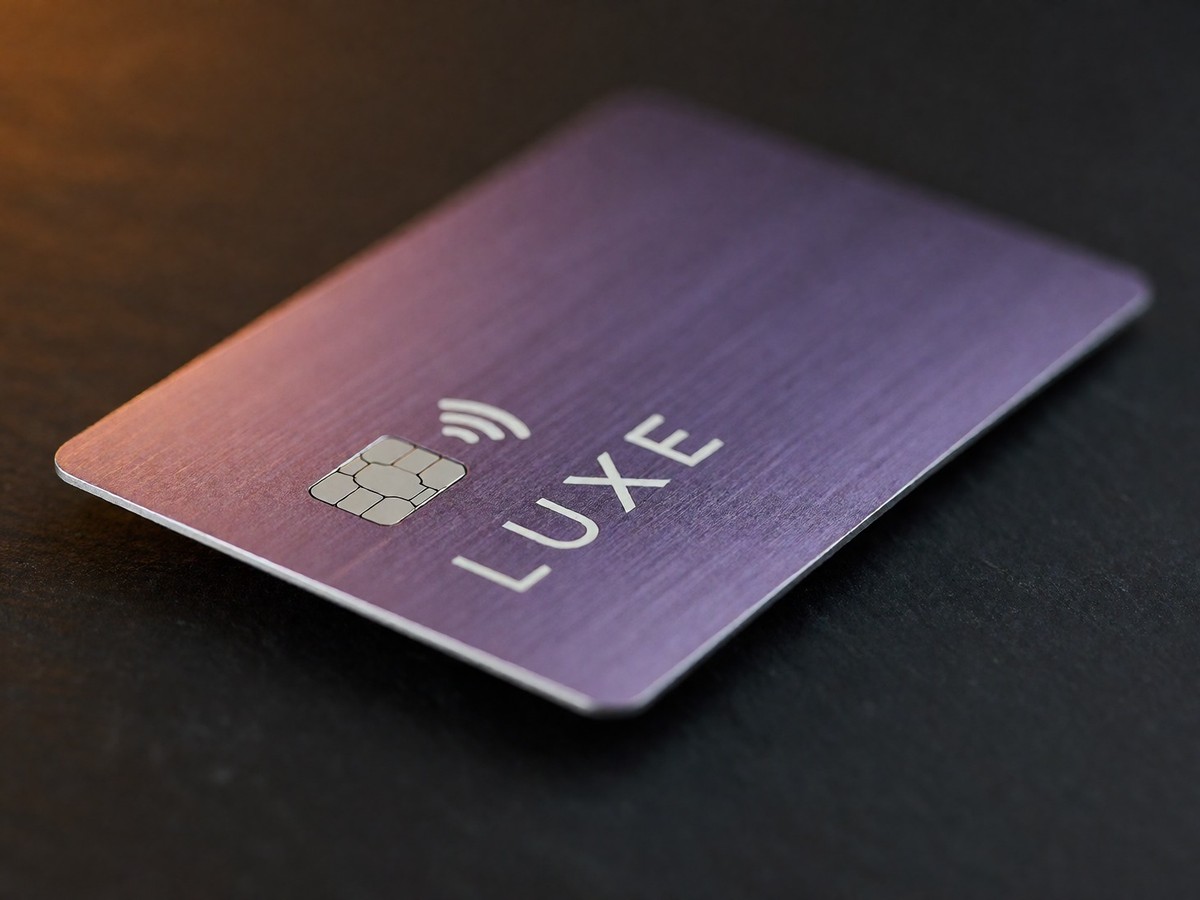
Ether.fi manages 2.1 million eETH restaking wallets following the integration of T-Bill yields. This shift follows a 34% devaluation in loyalty points for users. The protocol uses these assets to power a wider neobanking suite. The ether.fi Cash card allows users to spend crypto or borrow against it via a non-custodial Visa interface. This card uses a non-custodial architecture built on Gnosis Safe so that assets remain in a smart contract which the user controls without the protocol moving funds without authorization. Users choose between Direct Pay mode using USDC or LiquidUSD from a vault and Borrow Mode using ETH as collateral. During the current promotional period through Q2 2026, the card provides 0% interest on borrowed USDC. Card spending provides the fastest path to earning points, with $1,000 in spending earning 3,000 points. This exceeds the 3 points per day earned from staking $1,000 in assets. The migration from Scroll to Optimism’s OP Mainnet moved 70,000 active cards and 300,000 accounts in early 2026. Core tier users pay a $40 refundable deposit for a plastic card. Luxe members receive a purple metal card and enjoy 65% hotel discounts. Pinnacle members receive a premium metal card and higher spending limits. Card users face a 1% foreign exchange fee on non-USD transactions.
| Tier | Unlock Requirement | Cashback |
|---|---|---|
| Core | No stake required | 3% (promo) |
| Luxe | 15,000 ETHFI or 10,000 points | 3% (promo) |
| Pinnacle | 100,000 ETHFI or 50,000 points | 3% (promo) |
Puffer and Validator Competition
Puffer Finance attracts a surge of solo validators through its no-KYC onboarding process. The protocol maintains $850 million in total value locked. Users select Puffer because its anti-slashing tool reduces validator penalty risks. Puffer also manages two distinct exit paths for users. An instant exit charges a 1% fee, while a standard exit takes 14 days and costs nothing. The platform expansion from pufETH into UniFi and Preconf creates new roadmap risks for buyers. Puffer recorded $21,590 in revenue for the quarter. This remains far below the revenues of competitors. The Kelp exploit in April 2026 resulted in $293 million in unauthorized rsETH creation through a bridge vulnerability. The attacker deposited the tokens into Aave and borrowed real ether against them.
| Exit Mode | Fee | Estimated Time |
|---|---|---|
| Instant | 1% | Immediate |
| Standard | 0% | ~14 days |
Yield and Staking Data
Restaking yields fail to match plain liquid staking returns. In September 2026, restaking generated $99,977 in weekly fees whereas liquid staking generated $27.35 million. This gap led Mike Silagadze to state that restaking offered no meaningful yield opportunities. Many users moved capital from ETH-based restaking to dollar-denominated lending in curated vaults. Morpho holds about $5.8 billion in such vaults. The Ethereum network maintains a staking reward of 2.63% before provider fees. This amount equals 35.76% of the total ETH supply. The total amount of ETH staked grew to 43.7 million by early October 2026. The Ethereum entry queue holds 1.46 million ETH. This entry queue represents a wait of approximately 25 days. Lido holds 21.2% of the liquid staking market. Binance holds 25% of the liquid staking segment with wBETH.
Ether.fi Token and Market Trends
Ether.fi (ETHFI) trades at $0.621 as of late October 2026. The token price fell 8.75% in the last 24 hours. Whales drive the ETHFI price downward through significant outflows. The market capitalization for ETHFI stands at $682 million. The daily trading volume for ETHFI reached $5.7 million. The ETHFI token has a fixed supply of one billion tokens. Investor tokens follow a two-year vesting schedule, while core contributor tokens follow a three-year schedule. Both include a one-year cliff. The allocation includes 33.74% for investors, 21.47% for core contributors, 21.62% to the treasury, and 19.27% to user airdrops. Will the integration of T-Bill yields enough offset the loyalty point loss for long-term holders? You should monitor your health factor in Borrow Mode if you use it to spend against your ETH collateral.