Bitcoin News
The history of the Bitfinex hack and DOJ asset recovery

Ilya Lichtenstein bypassed BitGo’s multi-signature security in August 2016. He authorized 2,075 transactions to transfer 119,754 bitcoin from Bitfinex to his wallets. The theft cost the exchange $72 million at the time. He and Heather Morgan used darknet markets and mixers to hide the trail. They used fictitious identities to open accounts at various exchanges. They also converted assets into gold coins. The stolen bitcoin value dipped to $58 million after the price plunged 20% following the breach.
They used AlphaBay.
The theft involved 120,000 bitcoin sent to 2,075 addresses. Most of the funds never left the original wallet. Bitfinex customers had their account balances reduced by 36% and received BFX tokens. Lichtenstein used chain-hopping and peel chains to obscure the movement. He also used the Bitcoin Fog mixer to facilitate the laundering.
They used Hydra.
I recommend noting the vulnerability in the multi-signature setup. Bitfinex used BitGo to secure funds, but Lichtenstein found a way to bypass the required approval process. This allowed him to initiate withdrawals without triggering BitGo.
Seizures and Sentences
Law enforcement seized $3.6 billion in bitcoin in February 2022 by decrypting a file containing private keys. Total recoveries reached $10 billion after including gold and other assets. Lichtenstein admitted to the theft. He received 60 months in prison in November 2024. Morgan received 18 months for her role. Lichtenstein left prison in January 2026. He intends to work in cybersecurity.
80% of the bitcoin remained in the original wallet.
| Asset/Event | Details |
|---|---|
| Stolen Amount | 119,754 BTC |
| Value in 2016 | $72 million |
| Seized Bitcoin | 94,643 BTC |
| Total Recovery | $10 billion |
| RRT Tokens | 30 million |
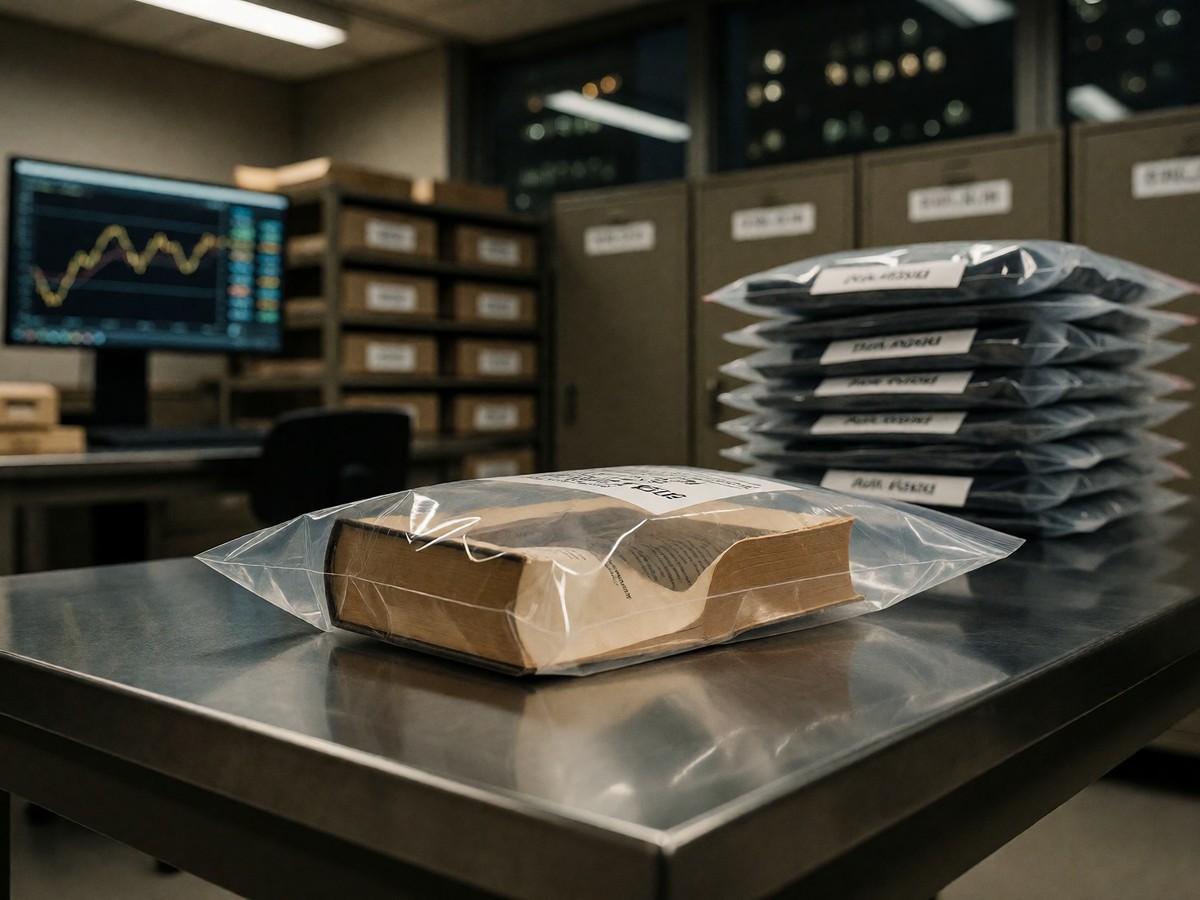
The FBI and IRS-CI spent millions on blockchain analysis tools. The recovery of 94,643 bitcoin remains the largest seizure in United States history. The pair pleaded guilty to money laundering in August 2023. The stolen bitcoin was worth $5.3 billion when they were arrested in 2022. Investigators executed a search warrant at a Wall Street residence and found a hollowed-out book and a bag of burner phones. Lichtenstein traveled to Ukraine and Kazakhstan to exchange cryptocurrency for cash. He moved the cash to US-based accounts in New York.
How will the government handle the remaining funds?
The 2026 Asset Dispute
The Strategic Bitcoin Reserve holds seized assets. President Trump signed an executive order for this reserve. The DOJ recommended returning the Bitfinex funds to the exchange. Bitfinex issued RRT tokens to holders. These tokens provide up to $1 per RRT. There are 30 million RRT tokens. I recommend the court follows the DOJ recommendation to prioritize victim restitution. You already know the blockchain shows the movement of these funds.
The Department of Justice recommended that the court return the seized bitcoin to Bitfinex because the exchange issued specific tokens to compensate every user for the financial losses they suffered during the 2016 hack.
The theft happened.
The government must decide between the reserve and the victims. Bitfinex created RRT tokens for holders that converted BFX tokens into shares of iFinex. All BFX tokens were destroyed during the repayment process. Bitfinex plans to use 80% of recovered net funds to repurchase and burn UNUS SED LEO tokens. This would distribute funds to RRT holders up to $1 per token.