 Bitcoin News
How in-kind structures make crypto ETPs more efficient

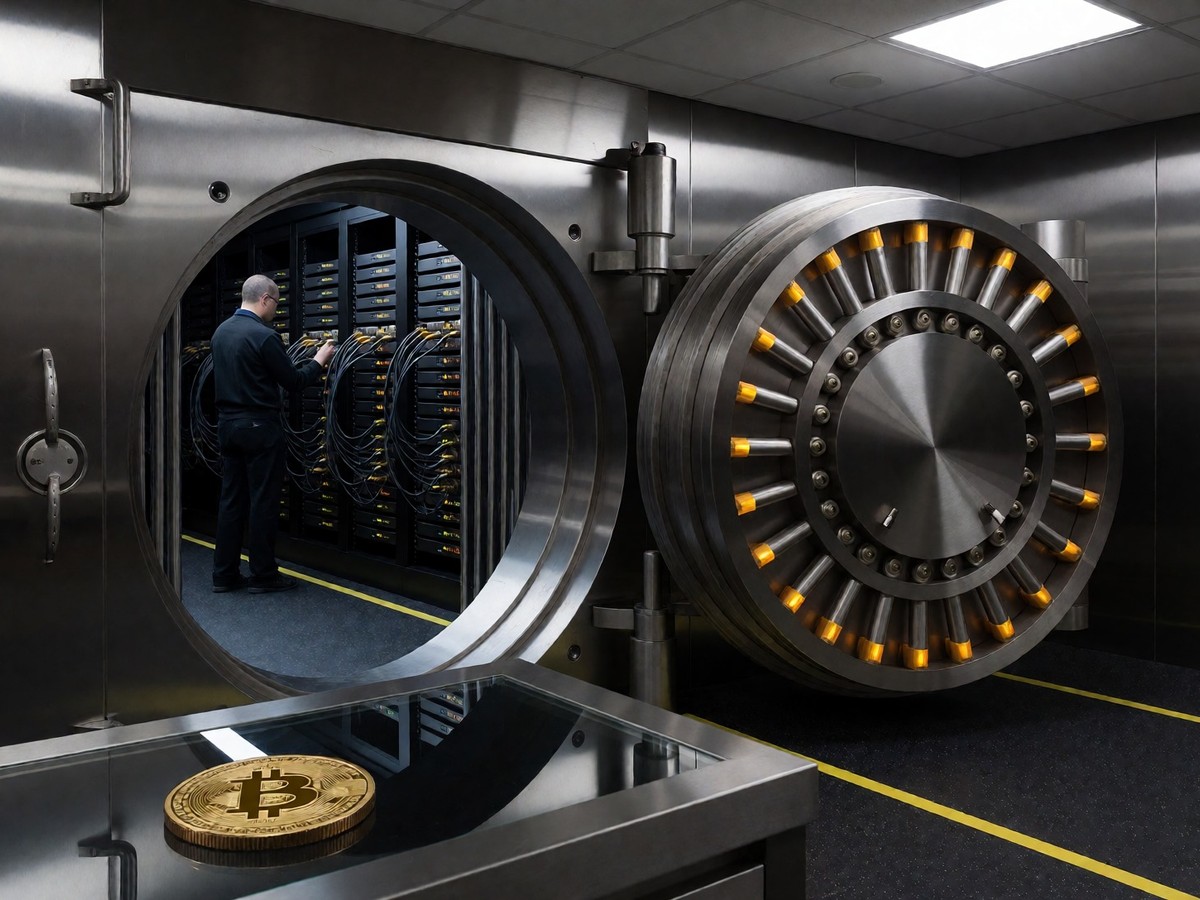
The regulatory shift toward in-kind structures makes crypto ETPs more efficient. The SEC approved orders to permit in-kind creations and redemptions for certain bitcoin and ether exchange-traded products on July 29, 2025. This decision allows authorized participants to exchange baskets of underlying assets for ETF shares instead of using cash. Before this regulatory change, the SEC required US spot crypto ETFs to operate exclusively with cash creations and redemptions. Under the cash-only structure, authorized participants deliver dollars to the trust, and the trust then works through liquidity providers to convert that cash into bitcoin. This process forces the issuer to bear the transaction costs of buying or selling the cryptocurrency. You already know that these large financial institutions keep ETF prices aligned with the value of the underlying assets. SEC Chairman Paul S. Atkins described the move as part of building a "fit-for-purpose regulatory framework for crypto asset markets." This decision aligns crypto-based ETPs with the standard practices for traditional commodity and equity ETPs.
Galaxy manages BTCO execution
The Invesco Galaxy Bitcoin ETF (BTCO) uses a partnership with Galaxy Asset Management to handle its bitcoin holdings. Galaxy acts as the execution agent to buy and sell bitcoin for cash on behalf of BTCO. For the first six months after the January 2024 launch, Invesco waived the entire sponsor fee on assets up to $5 billion. This waiver brought the total expense ratio from 39 basis points down to 0 basis points. On January 29, 2024, Invesco reduced the BTCO sponsor fee by 14 basis points, which lowered the total expense ratio from 0.39% to 0.25%. Galaxy Asset Management oversees US$5.3 billion in assets under management as of November 30, 2023. BTCO uses the Lukka Prime Bitcoin Reference Rate to determine the fair market value of the bitcoin it holds. The bitcoin holdings of BTCO stay in institutional-grade storage through a custody agreement with Coinbase. Galaxy Digital and its founder, Michael Novogratz, focus on building an operating environment for digital asset investment services. The team at Galaxy Asset Management employs a fiduciary-first approach to managing assets. The Lukka Prime Bitcoin Reference Rate provides the fair market value of the bitcoin held in the trust.
| Feature | BTCO Specification |
|---|---|
| Primary Partner | Galaxy Asset Management |
| Execution Agent | Galaxy Asset Management |
| Initial Fee Waiver | 0 basis points on assets up to $5 billion |
| Reduced Fee | 0.25% expense ratio |
| Custodian | Coinbase |
Efficiency through asset delivery
In-kind creations allow an authorized participant to supply the cryptocurrency itself to the trust in exchange for newly issued ETF shares. This method removes a step from the process and reduces friction for institutional participants. In contrast, cash-only models require every new basket to involve a dollar transaction. The SEC decision follows a period where the Commission restricted crypto ETPs to cash-only structures because of concerns about broker-dealer registration and cryptoasset custody. Because the SEC previously required cash-only transactions, authorized participants had to deliver US dollars to the trust, which then had to work through liquidity providers to convert those dollars into bitcoin to satisfy the demand. The US spot Bitcoin ETF market held more than $100 billion in net assets as of early September 2026. In-kind redemptions allow an authorized participant to return ETF shares to the trust to receive the underlying digital assets. This mechanism helps keep ETF prices aligned with the value of the underlying holdings. The distinction between cash and in-kind matters for how capital flows through these products. In a cash model, every new basket requires a dollar transaction that must be converted into crypto through market intermediaries. In-kind creations allow an authorized participant to deliver digital assets directly to the trust. As institutions create new ETF shares by delivering assets directly to the trust’s custody account, fresh capital inflows lead to greater amounts of the asset being held on behalf of ETF investors. This reduces the risk of market disruption during large inflows or outflows. The regulatory change is part of a series of developments that make it easier for broker-dealers to hold and facilitate transactions in crypto. Can the market maintain high liquidity if institutions prefer the simplicity of cash?