Bitcoin News
Risks of the 700 MW Texas wind farm for Marathon Digital

Policy shifts and the Hansford County asset
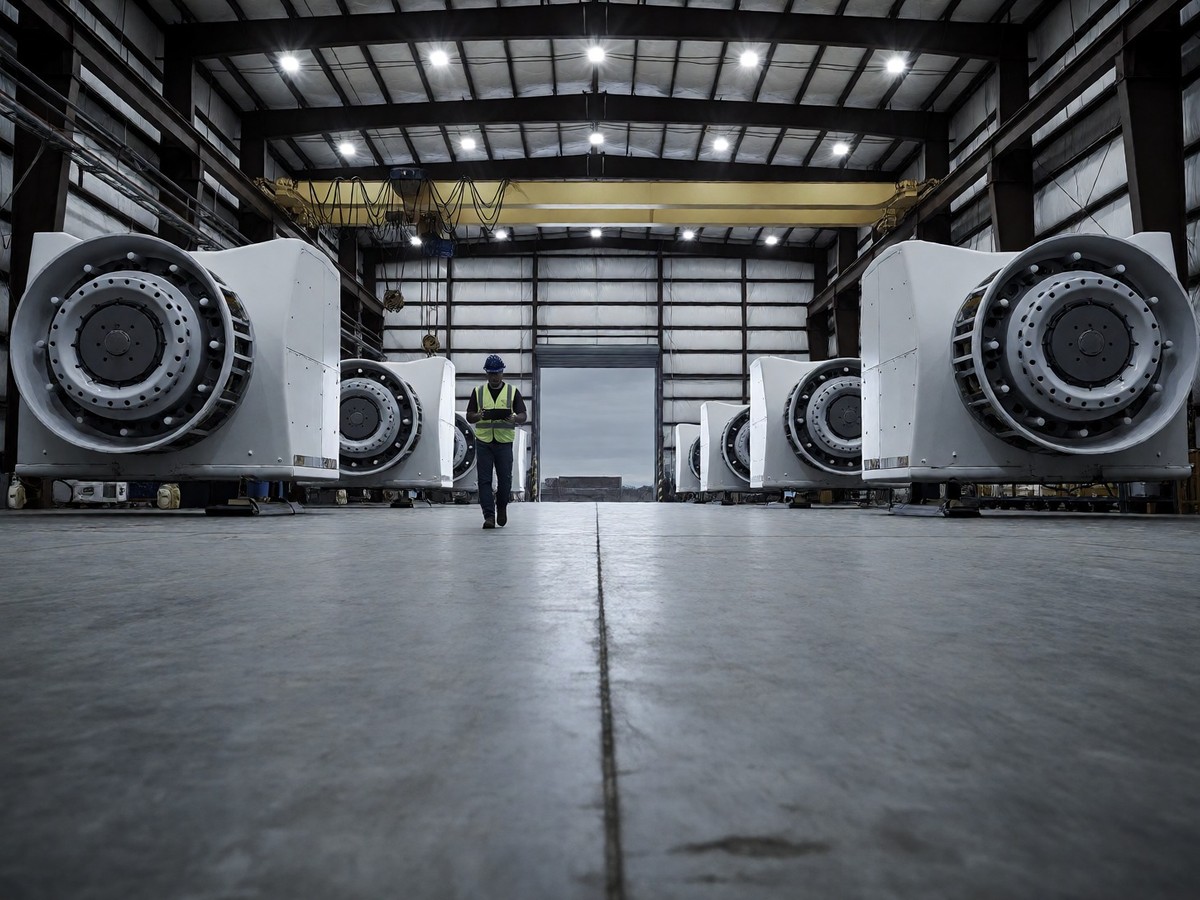
The October 2026 negative pricing spike in ERCOT triggered a $12 million curtailment loss for the Texas wind operations. This loss affects the company’s wind assets in Texas. The company acquired the Hansford County wind farm in February 2025, which has 114 megawatts of nameplate capacity and 240 megawatts of interconnection capacity. I see a massive risk in this asset because the company only mines Bitcoin when the wind blows. This strategy creates a direct conflict with the grid’s need for stability during price volatility.
The One Big Beautiful Bill eliminates $190 billion in electricity subsidies for wind and solar projects that did not start construction before July 4, 2026. This legislation aims to move capital from intermittent power to firm capacity like natural gas and advanced nuclear. Because the wind farm in Hansford County was acquired in early 2025, it may sit in a transitional period, but the industry trend favors firm power. Companies like Duke Energy and Invenergy are already abandoning wind leases to invest in natural gas and geothermal. Duke Energy received $129 million to terminate a lease off the coast of North Carolina, while Invenergy received $765 million to cancel four leases across New York, Maine, and California. In Texas, wind generates 20% of total electricity, while natural gas supplies 47.4% and coal supplies 20.3%. The company’s attempt to mitigate these risks includes buying sites with existing power access. This strategy aims to leverage the state’s wind infrastructure, which includes 26,000 of the nation’s 120,000 wind energy jobs.
Volatility and the ERCOT price spike
The $12 million loss in Texas exposes the flaws in an intermittent power model. MARA attempts to avoid grid congestion by using power only when it is available, which remains the core of its operational design. This strategy fails when the market demands stability rather than sudden load drops. During Winter Storm Fern in January 2026, MARA curtailed 550 megawatts of load in ERCOT, 120 megawatts in PJM, and 100 megawatts in SPP. In that same storm, energy prices in the ERCTOR North Hub reached $1,200 per megawatt hour. The recent negative pricing spike in Texas demonstrates how relying on intermittent wind power creates massive financial exposure when the grid experiences extreme volatility and requires sudden, large-scale reductions in demand from industrial users.
| Parameter | Specification |
|---|---|
| Hansford Wind Capacity | 114 MW |
| Hansford Interconnection | 240 MW |
| OBBB Subsidy Cut | $190 billion |
| ERCOT Peak Price (Jan 2026) | $1,200/MWh |
| AI Inference Workload (2027) | 38% |
AI demand and the competition for power
AI demand is forcing a change in how companies use power. The first wave of AI required massive data centers for training models. The second wave focuses on inference, where trained models process requests. This shift moves the workload closer to users and requires low-latency, energy-efficient infrastructure. AI inference workloads will grow from 12% in 2022 to 38% by 2027. This growth puts MARA in direct competition with large tech firms for grid connections and power contracts.
The company is building a digital infrastructure campus in Matagrad County, Texas, with 2,000 megawatts of power capacity. The site covers 1,200 acres and involves a deal with HIF USA LLC. This transaction includes milestone payments that could reach $600 million if the company meets regulatory approvals and signs a data center lease. The company also has a plan for the Long Ridge site, which includes 1,600 acres and a 505-megawatt gas-fired power plant. The Long Ridge project intends to start a 200-megawatt AI build-out in the first half of 2027. The Long Ridge asset includes the ability to expand power capacity from 200 megawatts to more than 1 gigawatt. You should watch how the company manages the gap between its Bitcoin mining needs and these high-demand AI clients.
The verdict on intermittent power
I believe the wind farm strategy is a liability when combined with Bitcoin’s interruptible nature. The $12 million loss proves that being a price taker is dangerous when the wind stops. If the company cannot secure firm, low-cost energy, it will struggle to compete with AI firms that require constant power. Purchased energy cost per Bitcoin at owned mining sites was $40,047 in the first quarter of 2026, which is an increase from $35,728 a year earlier. This rising cost environment makes the wind strategy even more precarious. Can the company maintain its profit margins if energy costs for non-integrated miners continue to rise?