 Bitcoin News
How Jack Mallers and Sergej Kotliar drive Lightning merchant payments

Lightning Network volume grows via Strike
Bitcoin’s Lightning Network processed $1.17 billion in transactions during November 2025. This monthly volume across 5.22 million transactions exceeds previous years. The average transaction value reached $223 in November 2025, which is an increase from $118 the previous year. Jack Mallers, the CEO of Strike, uses the Lightning Network to move value globally. He views the network as a technological innovation for payments, regardless of the price of Bitcoin. Strike works with companies including Visa, Clover, and Fiserv to expand these services.
The Lightning Network operates as a layer-two protocol built on top of the Bitcoin blockchain. It enables scalable, low-cost, and near-instant transactions that are more practical for everyday use than the main chain. While the main network processes blocks roughly every ten minutes, the Lightning Network allows for instant settlement. Because users use multi-signature addresses to commit Bitcoin to payment channels, the Lightning Network allows users to route transactions directly between parties or across interconnected nodes to achieve instant settlement without waiting for block confirmations.
Shopify integration for merchants
Strike integrates with Shopify to help merchants accept bitcoin payments as U.S. dollars. This partnership helps merchants reach untapped global markets and diversify their existing payment options. Shopify is an e-commerce platform with over 1.7 billion businesses using the service. The integration removes the complexities merchants face in holding bitcoin by instantly converting payments to dollars. Merchants can accept payments globally and save costs on processing fees. One initial merchant partner is Warren Lotas, a Los Angeles-based streetwear designer.
This integration works for any customer in the world with a Bitcoin Lightning Network-enabled wallet, including 70 million CashApp users. You already know that Bitcoin’s main chain struggles with high fees during periods of congestion. The integration allows for cash-final settlement and removes legacy processing fees like interchange. By using the Lightning Network, Strike provides an alternative to traditional card networks. Merchants can reach more purchasing power by accepting these payments.
Global expansion and technical scale
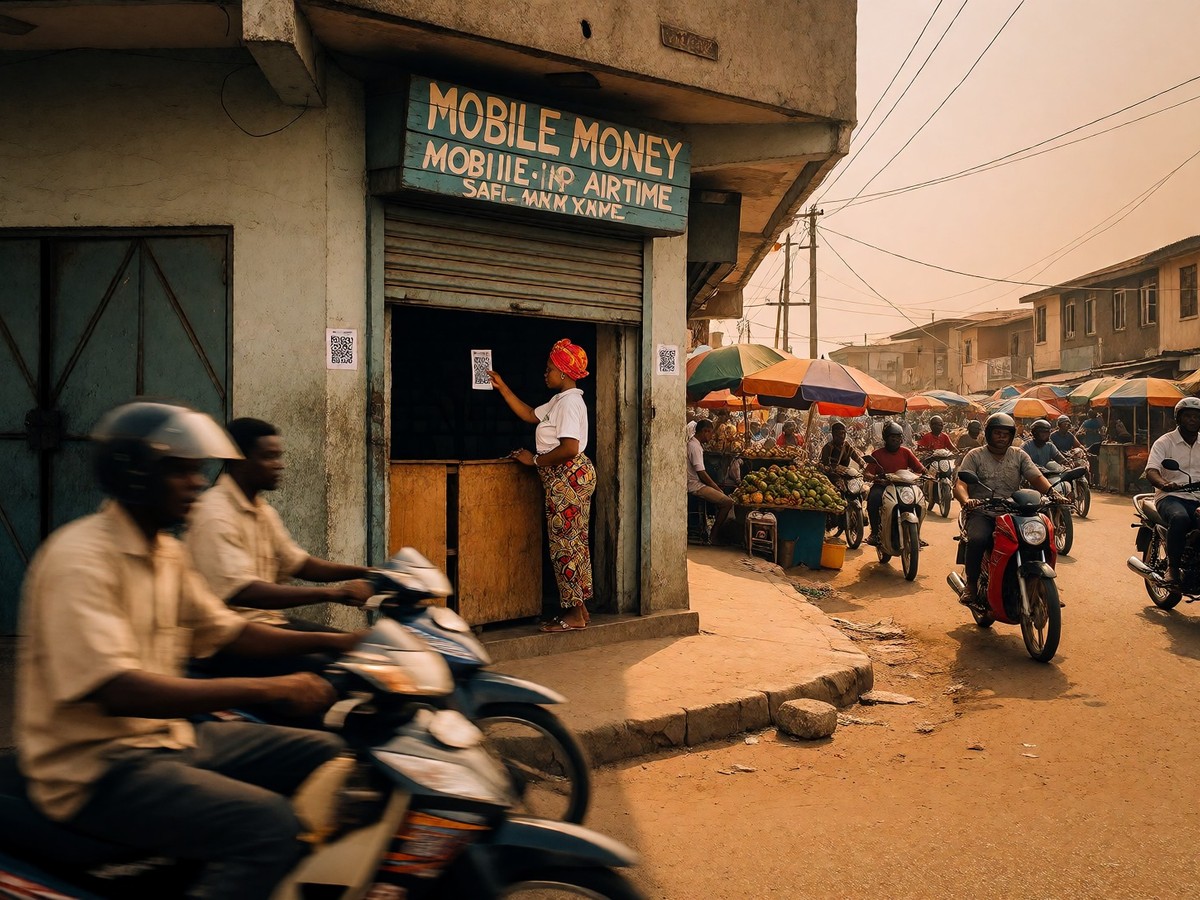
The expansion of Strike into Europe and Africa brings Bitcoin services to millions of people. In Africa, Strike launched services in Gabon, Ivory Coast, Malawi, Nigeria, South Africa, Uganda, and Zambia. These markets use the app to buy and sell bitcoin and Tether’s USDT. Nigeria is the largest market in Africa for these services. Cryptocurrency adoption in Nigeria is high because people use digital assets to hedge against local currency devaluation. The Nigerian naira fell by almost 50% against the U.S. dollar this month.
In Europe, customers use the app to buy, sell, send, and withdraw bitcoin. They can deposit funds from bank accounts using free unlimited SEPA euro deposits. The Lightning Network provides the infrastructure for these cross-border payments. The capacity and channel count of the network determine how much value can be transacted.
| Metric | Value (May 2026) |
|---|---|
| Public-graph capacity | 4,870.8 BTC |
| Public channels | 40,986 |
| Median fee rate | 100 ppm |
| Average fee rate | 819 ppm |
| Average channel size | 11,884,108 sats |
The United States holds 4,432 BTC in capacity, while China holds 2,174 BTC. Germany holds 1,396 BTC and Canada holds 1,238 BTC. To use the network, users open a payment channel with a liquidity provider or through their own wallet. The merchant shows a QR code with a Lightning invoice. The user scans this code with a wallet. The wallet calculates a route through existing channels. The payment moves from node to node in encrypted form and reaches the merchant in less than two seconds.
El Salvador and wallet options
El Salvador rescinded its Bitcoin Law on January 29, 2025, following a deal between the government and the International Monetary Fund. The government committed to making private-sector bitcoin acceptance voluntary and winding down the state-run Chivo wallet. This policy change happened after the government reached an agreement for a 1.4 billion dollar loan. In tourist areas like El Zonte, approximately 80% of merchants accept BTC through Lightning. However, the transaction count for the Lightning Network in 2025 fell compared to the 6.6 million transactions seen in August 2023.
Users choose between custodial and non-custodial wallets. Custodial wallets, such as the Wallet of Satoshi, allow users to send and receive Lightning payments without managing channels or liquidity. Non-custodial wallets, such as Phoenix or Muun, provide more control. Phoenix manages channels automatically and combines user experience with self-custody. Muun handles both on-chain and Lightning transactions in a single interface. Technical users prefer Breez or Zeus for more control over channels, liquidity, and configuration.
Will AI-powered agentic payments drive a new spike in network usage?