
 Bitcoin News
Riot Platforms’ Corsicana facility: debunking Bitcoin mining energy

Texas grid demand response
Riot provided 84,000 megawatt hours of energy to the Texas market in August to stabilize the grid during a heat wave.
This prevented consumer disruptions.
Riot earned approximately $7 million from the ERCOT ancillary services program during that period and sold $24 million of pre-purchased energy to TXU. The ancillary services program is a competitive bidding process where large customers bid for the grid operator to pay them a fee. This fee acts like an insurance premium that affords ERCOT the right to control customer load to ensure stability. ERCOT operates the electric grid for 25 million customers and maintains system reliability and competitive wholesale and retail energy markets. Riot’s portion amounted to less than one percent of the nearly $1 billion administered. Many industries including steel mills and oil companies participate in these programs. These market forces drive grid stability.
Corsicana facility capacity
The facility reaches 1 GW.
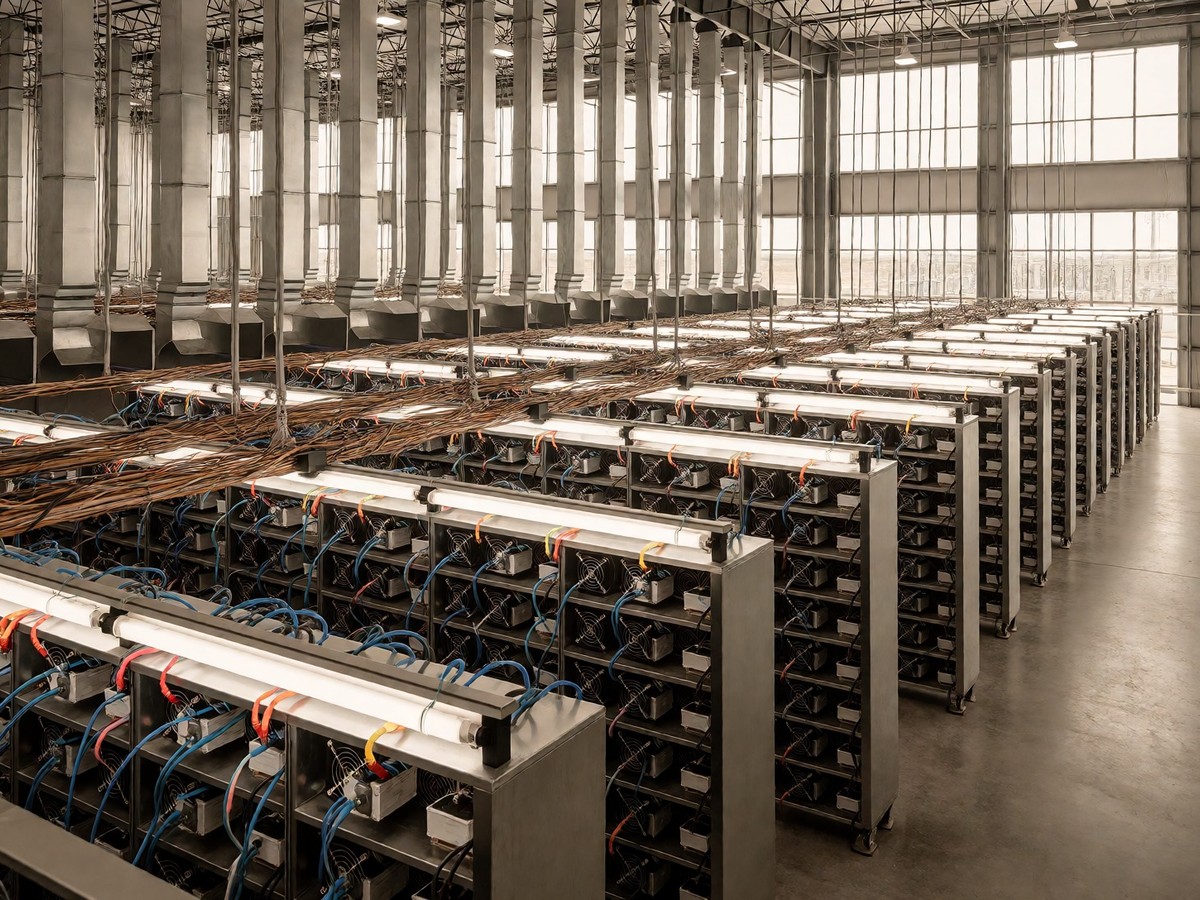
The 400 megawatt substation powers the initial phase of development on 265 acres in Navarro County. Building A1 hosts the first batch of miners, and they will reach 3.7 EH/s of capacity. CEO Jason Les expects to add 16 EH/s to the self-mining capacity by the end of 2024. This brings total self-mining capacity toward 31 EH/s. This facility will become the largest known Bitcoin mining facility in the world once fully developed.
| Feature | Data |
|---|---|
| Total capacity | 1 GW |
| Substation capacity | 400 MW |
| Building A1 capacity | 3.7 EH/s |
| 2024 capacity goal | 31 EH/s |
You know that miners can monetize stranded energy or capture methane from landfills. Miners set up near renewable energy sources or remote wind farms to monetize energy that transmission infrastructure cannot currently reach, which helps subsidize the buildout of renewable energy projects.
Environmental and cost concerns
Greenpeace claims Riot operates the most energy and carbon-intensive mines in the United States. The Rockdale facility uses 450 megawatts of power. This matches the electricity use of 300,000 homes. The facility produces 1.9 million tons of CO2 emissions. Noise from the cooling fans can reach 95 dB, which some nearby residents compared to having a jet engine in a backyard. Bitdeer operates 0.4 miles away from the Rockdale site. The new Corsicana mine may use up to 1.5 million gallons of water per day. Riot pays $2.1 million annually for a water reservation agreement.
Riot’s revenue in 2025 included $576.28 million from Bitcoin mining and $64.69 million from its engineering segment. The engineering segment, which operates through its ESS Metman subsidiary, manufactures customized power distribution equipment like switchgear and substations. This division provides critical infrastructure to utility companies and data center developers. Data center hosting contributed $33.15 million in the first quarter of 2026.
Riot sold $24 million of pre-purchased energy to TXU in August 2023. The company also earned $7 million from ERCOT ancillary services that same month. In August 2023, Riot made nearly four times as much money selling energy as it made mining Bitcoin. Riot paid 2.8 cents per kilowatt hour in August 2023. Residents in Texas pay 13.5 cents per kilowatt hour. Wood Mackenzie finds that Bitcoin mining in Texas will lead to a 5% increase in electricity costs.
ERCOT has 41 gigawatts of requests for new cryptocurrency mining capacity, with 9 gigawatts of planning studies approved. The cryptocurrency mining industry in the United States uses between 0.6% and 2.3% of total electricity. The industry currently uses 3,000 megawatts. Will increased demand push fossil fuel plants to expand production?


