 Bitcoin News
Shrinking buffers and pending audits test Tether’s stability

The evaporating safety cushion
Tether’s Q2 2026 attestation reveals a massive drop in the excess reserve buffer from $8.23 billion in Q1 2026 to $4.11 billion. This shrinkage occurred despite the company earning $1.5 billion in net operating profit throughout the second quarter. I see a significant discrepancy between the reported profit and the $5.6 billion gap in expected versus actual reserve levels that the latest report revealed. While USDT supply grew by only $446 million, the safety cushion plummeted. Unrealized losses on gold and Bitcoin drove this volatility. Gold holdings lost $1 billion in market value as prices fell toward $4,000 per ounce, and Bitcoin holdings lost approximately $820 million in paper value. The combined unrealized losses reached $1.8 billion during this period. This buffer is only about 2% of the $187.75 billion total assets against $183.64 billion in liabilities. I find it reckless that a single market swing could wipe out the entire safety cushion, especially since USDT previously dipped to $0.95 in May 2022.
Audit delays and the GENIUS Act
The distinction between BDO Italia’s quarterly attestations and the pending KPMG audit creates a persistent transparency gap. An attestation only verifies that assets matched tokens on a single date, whereas an audit examines financial records and internal controls across a whole period. Tether’s KPMG audit for the 2025 fiscal year remains incomplete five months after the March 2026 announcement. This delay matters because the GENIUS Act, signed in July 2025, requires annual PCAOB-standard audits for issuers with over $50 billion in circulation. Tether manages $183.64 billion in liabilities and exceeds that regulatory threshold for reporting.
| Reserve Asset | Q2 2026 Value |
|---|---|
| Total Assets | $187.75 billion |
| Total Liabilities | $183.64 billion |
| Excess Reserves | $4.11 billion |
| Gold Holdings | $18.84 billion |
| Bitcoin Holdings | $5.80 billion |
Tether holds a massive portion of its US Treasury exposure through Cantor Fitzgerald, a financial services firm. This reliance on a single counterparty for its $135 billion to $138 billion Treasury position introduces risk. Regulatory scrutiny remains high following the 2021 CFTC settlement of $41 million and the $18.5 million NYAG settlement. BDO’s reports use ISAE 3000 Revised standards, but they contain a 31-day lag that leaves a month of reserve activity unverified. Tether also maintains controlling ownership of Twenty One Capital, a Bitcoin-focused treasury company that recently acquired SoftBank’s minority stake.
Volatility and the concentration risk
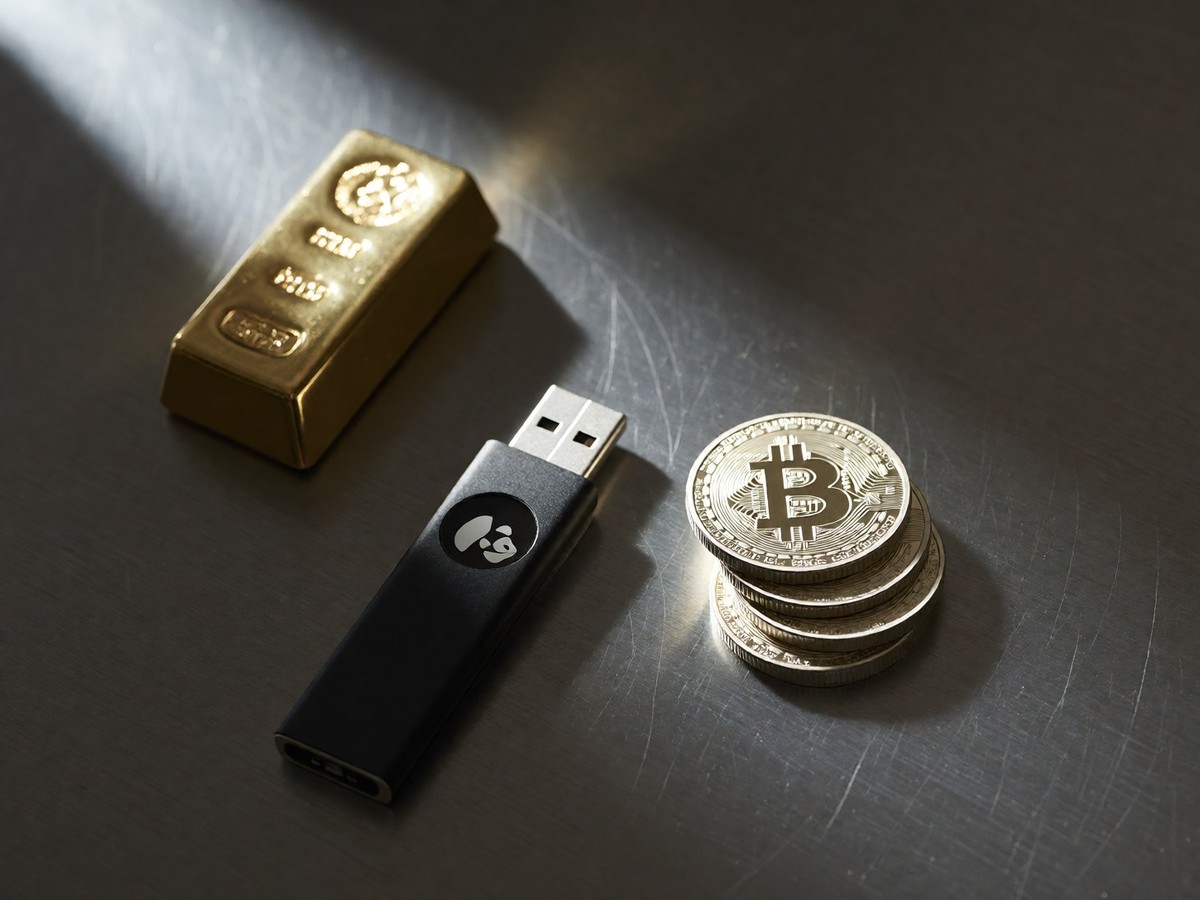
Tether holds 146 tons of gold, a quantity that exceeds the holdings of many central banks, but this vaulted metal provides little help during a sudden redemption spike on a blockchain at two in the morning. The company also maintains 98,933 BTC, valued at approximately $5.8 billion, which adds price risk to the balance sheet. I find the decision to allocate 13% of reserves to these volatile assets while trying to maintain a 1:1 peg to the dollar fundamentally contradictory. This strategy relies on interest from US Treasury bills to fund operations and rebuild the buffer for its users. Secured loan volumes also decreased by approximately $2.38 billion, or a 15% reduction, during the second quarter. If the Federal Reserve cuts interest rates, Tether’s annual profit margins will shrink. You should watch if the buffer disappears during the next crypto market correction, especially as the company’s gold and Bitcoin holdings exceed $24 billion. Tether’s gold pile, worth approximately $18.84 billion, ranks among the top 30 global holders, placing the company ahead of nations like Hungary, Greece, or Qatar. The $1.5 billion in net operating profit comes from the $135 billion Treasury book, yet this interest income cannot offset a massive drop in commodity values. Will the company prioritize its Bitcoin strategy over the stability of its reserves?