 Ethereum News
The risks of Base sequencer centralization

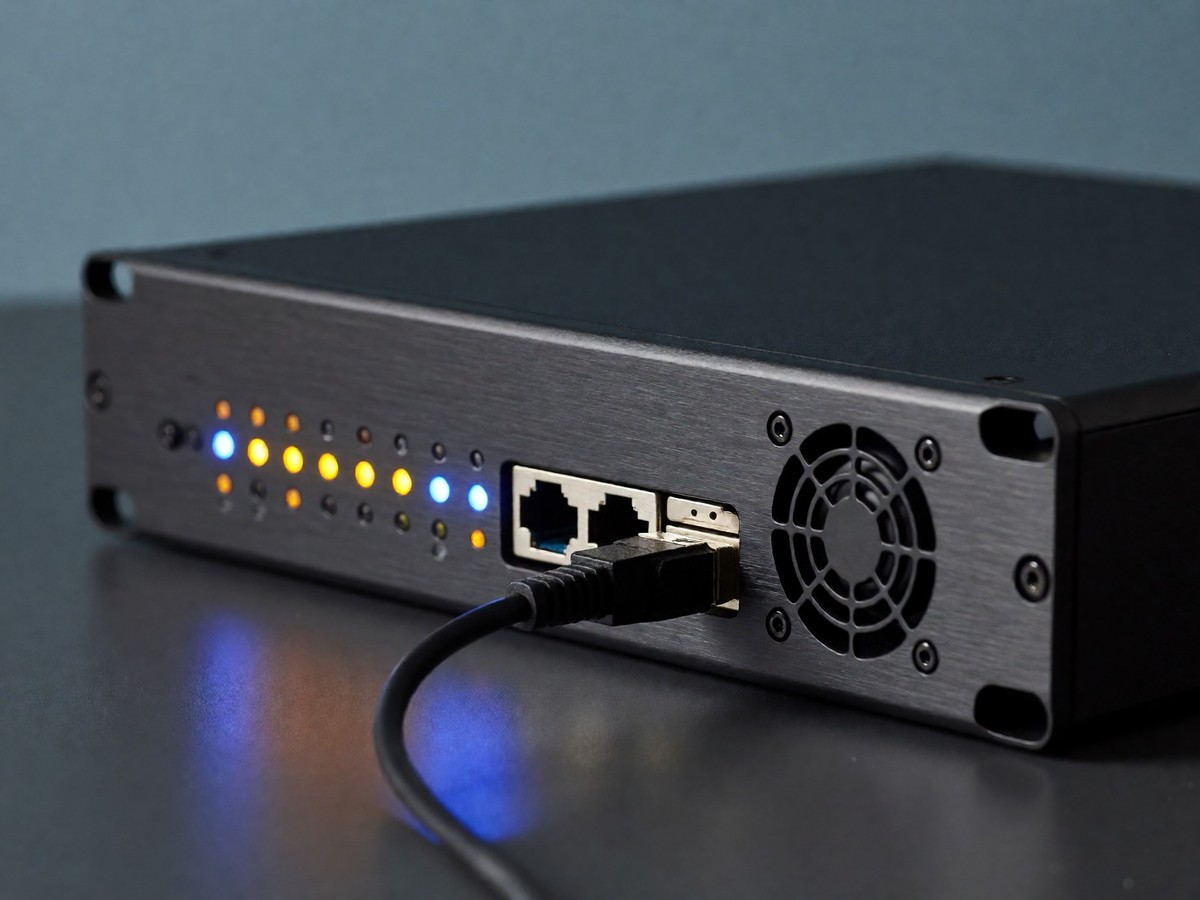
Coinbase operates the single sequencer for Base, which creates a single point of failure for the network. This centralized design caused the network to halt block production for 29 minutes on August 5. At 06:15 UTC, the network stopped producing blocks, and the last observed block height remained at 33,792,704. Full functionality returned at 06:44 UTC. This event follows a previous outage on September 5, 2023, that lasted 43 minutes due to internal infrastructure issues. The network also experienced two separate interruptions on June 25 and 26 that lasted 116 minutes and 20 minutes. A logic vulnerability in the sequencer’s block construction process caused the June failures. After a transaction execution failed, the system failed to clear the previous journal state. This error led to incorrect gas calculations during subsequent valid transaction executions and produced invalid state transition blocks. The network also identified an "unsafe head delay" as the reason for the August disruption. Without a backup or failover sequencer, the entire block production process stops when the single operator fails. The network relies on a single sequencer controlled by Coinbase, which lacks the decentralized validator set found on the Ethereum mainnet that protects against single points of failure. This issue becomes more significant as Base grows into a critical part of the Ethereum L2 ecosystem. Users on Reddit and X expressed concerns about the lack of decentralized failover mechanisms.
Stage 1 guardrails
Base currently holds "stage 1" status as a rollup. This designation relies on "limited training wheels" to manage the balance between security and speed. Ten independent entities make up the security council to help approve certain network upgrades. These members come from the Base and broader Ethereum ecosystems. Tom Vieira, the head of product at Base, says these individuals help manage the network. Fault proofs are permissionless, allowing anyone to verify or check the state of transactions without a central entity. This structure aims to reduce the reliance on Coinbase. Base launched in August 2022 and holds $11.72 billion locked in the protocol. Vitalik Buterin categorized platforms according to their degree of decentralization in 2022, noting that stage 1 rollups sacrifice certain elements of decentralization for security. Developers continue to call for decentralized or rotating sequencer systems like those used by competitors. These alternatives include fallback sequencer networks, sequencer auctions, and validator rotation models. Can the current security council effectively manage the complexities of a network with $11.72 billion in locked assets?
Scaling and the competition
The $11.72 billion TVL on Base makes the sequencer risk a major concern. Competitors use different architectures to handle scaling and decentralization. Arbitrum has over $19 billion in TVL and supports the Move language through Stylus. This integration, which occurred in collaboration with Rather Labs, allows teams to build new on-chain primitives using familiar programming environments. Arbitrum’s Robinhood Chain testnet focuses on developer onboarding, infrastructure, and UX testing. This phase moves Robinhood toward a dedicated Layer 2 with custom gas token support and greater control over fees and throughput. Arbitrum also introduced ERC-8004 to enable AI agents to operate with on-chain identity and verifiable reputation. ZKsync uses its ZK Stack and launched a staking pilot program on February 9 to test infrastructure for a future decentralized sequencer. ZKsync also manages security through the ZKsync DAO, which authorized 100 million ZK for bug bounties and 205 million ZK for audit reimbursements in 2026. ZKsync’s Bank Stack provides an institutional architecture for tokenized deposits and stablecoins. This framework uses Ethereum as the settlement layer and Prividium for confidential execution. Phylax adds execution-time guardrails like circuit breakers. Optimism uses the OP Stack, which allows for customized sequencing and fee structures. Base uses the OP Stack and follows the Law of Chains to share revenue. Base contributed approximately $1.4 million to the Optimism Collective in Q1 2026 through Retroactive Public Goods Funding. Base must pay either 2.5% of its gross sequencer revenue or 15% of its net sequencer profits to the Optimism Collective.
The $1 billion security gap
Smart contract losses hit $1 billion in 2026. The $11.72 billion TVL on Base is susceptible to these high-frequency exploits. In 2025, DeFi protocols lost $3.4 billion to hacks and exploits, with smart contract bugs specifically causing $263 million in losses during the first half of that year. Security audits are a prerequisite for launch. For a mid-complexity DeFi protocol, a realistic security budget ranges from $12,500 to $135,000. This includes automated scans, expert reviews, and continuous coverage through bug bounties. A standard DeFi contract with 1,000 to 3,000 lines of code costs between $15,000 and $50,000 to audit. A complex lending or derivative protocol with 3,000 to 6,000 lines of code costs between $50,000 and $120,000. Top-tier firms like OpenZeppelin or Trail of Bits charge between $50,000 and $250,000 for complex engagements. These firms provide multiple senior auditors and formal verification capabilities. RedVolt offers AI-powered audits for $1,500 per SLOC for EVM, $2,100 for Rust, and $2,250 for Move. You should budget for these costs to avoid the high interest rate of borrowing risk.