 Bitcoin News
The shift to renewable mining in Abu Dhabi


The Bitcoin mining network reached a 56.7% renewable energy share in September 2026, a massive climb from the 34% level recorded in 2021. I see this trend as a complete reversal of the old "energy hog" reputation. While Cambridge University reported a 52.4% sustainable energy rate in April 2025, the current data shows even higher adoption. The industry’s global energy use accounts for 0.23% of the world total, and carbon emissions represent only 0.08% of the world total. Miners increasingly seek out excess renewable energy like wind or solar to prevent waste. The current hashrate sits near 950 EH/s, and the difficulty stands at 127.45T as of September 17, 2026. This high computing power makes the network resilient against threats. The next difficulty adjustment, projected for September 19, may increase by around 4.7 percent. Miners act as flexible grid assets by using demand response to power down when residential demand spikes. Leading mining pools like Foundry USA Pool still dominate the landscape, commanding roughly 26 percent of the hashrate. This concentration of power means that the shift toward renewables affects the entire ecosystem at once.
Abu Dhabi infrastructure expansion
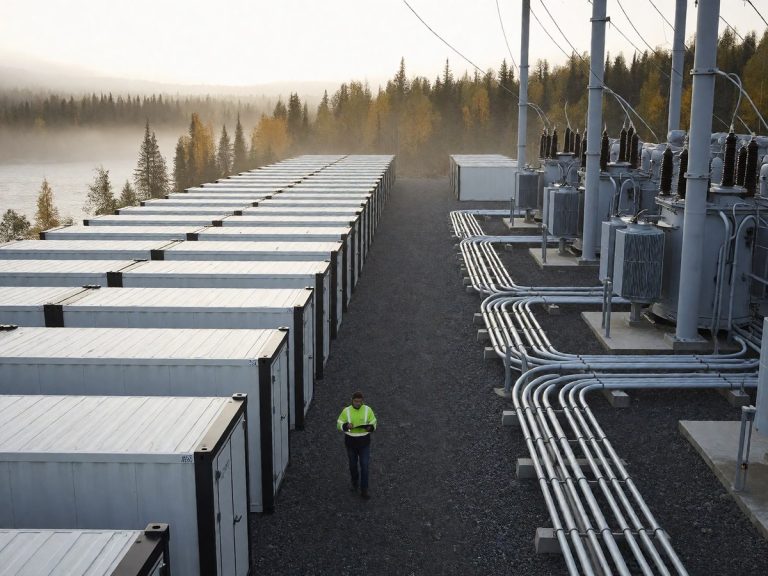
Marathon and Zero Two launched a joint venture to operate 250 megawatts of mining capacity in Abu Dhabi. This entity consists of a 200 megawatt site in the Masdar City sustainability hub and a 50 megawatt site in the Mina Zayed port zone. Zero Two holds 80% of the equity, while Marathon owns 20%. The companies committed $406 million in capital during the 2023 development period to build these facilities. These contributions include both cash and in-kind amounts like equipment and infrastructure. They use a custom immersion solution to cool ASIC miners because the desert heat makes air-cooling inefficient. This cooling method also reduces the maintenance required for the hardware. The project expects a combined hash rate of 7 EH/s once the sites go online. The expansion of solar capacity in the United Arab Emirates, including the 1.5 gigawatt Al Ajban project, provides the massive scale of renewable energy needed to support large-scale operations like the Marathon and Zero Two joint venture. This growth in the region includes the 700 megawatt Noor CSP complex. The 1.5 gigawatt Al Ajban plant uses 3 million bifacial solar panels and expects to reduce CO2 emissions by 2.4 million tons annually. I would call the integration of mining with these solar projects a logical step for grid stabilization. How will the massive deployment of solar in the Middle East affect the long-term stability of local electricity prices?
Economics and hardware efficiency
Electricity costs determine the difference between profit and bankruptcy. In the United States, grid power averages $0.13 per kWh, but solar energy can cost as little as $0.035 per kWh. I found that the upfront cost for a solar setup, ranging from $10,000 to $20,000 per rig, often slows the return on investment to a 3 to 5 year window. You should understand that the efficiency of the hardware matters more than the total hashrate when power prices fluctuate. In 2025, Bitcoin mining consumed 173 TWh of electricity annually, with 54% of that energy coming from renewable sources. In Texas, electricity rates surged by 400% during peak demand in 2024, which crushed grid-based miners. Newer hardware, like the Bitmain Antminer S21 XP+ Hyd, achieves an efficiency of 11 J/TH. To build a residential solar mining setup, a miner might need 15 to 20 units of 300-watt panels to cover a single rig.
| Hardware Model | Power Consumption | Hashrate | Efficiency |
|---|---|---|---|
| Antminer S21 Pro | 3,510 W | 234 TH/s | 15 J/TH |
| Antminer S21 XP+ Hyd | 5,500 W | 500 TH/s | 11 J/TH |
The industry has entered a third phase where miners find symbiotic relationships with energy producers. Instead of just buying power, they solve problems for energy companies. In the US, miners use methane flare gas from landfills to reduce air pollution. This process reduces the impact of methane on global warming by as much as 90% compared to venting. I find that the specialized cooling and firmware development allow miners to stay profitable even when Bitcoin prices drop.