 Bitcoin News
Why Bitcoin’s 650 EH/s hashrate recovery matters now

The global hashrate shift
The Bitcoin network hashrate reached 650 EH/s in April 2026 before dropping to 586 EH/s in May. This recovery to higher levels matters because China maintains 14-20% of the global hashrate through underground operations in regions like Sichuan despite previous bans. I see the concentration of 68% of hashrate in three countries as a persistent risk. While the 2021 crackdown moved mining to North America and Kazakhstan, the return of Chinese miners through seasonal hydropower in Sichuan prevents the network from achieving true geographic decentralization. The US hosts about 37% of the global hashashrate, with Texas being the largest hub. In February 2026, a severe winter storm in the US forced 200 EH/s of capacity offline in some regions. I find that the geographic concentration of 68% of hashrate in three countries makes the network vulnerable to regional policy changes.
Hardware efficiency and scale
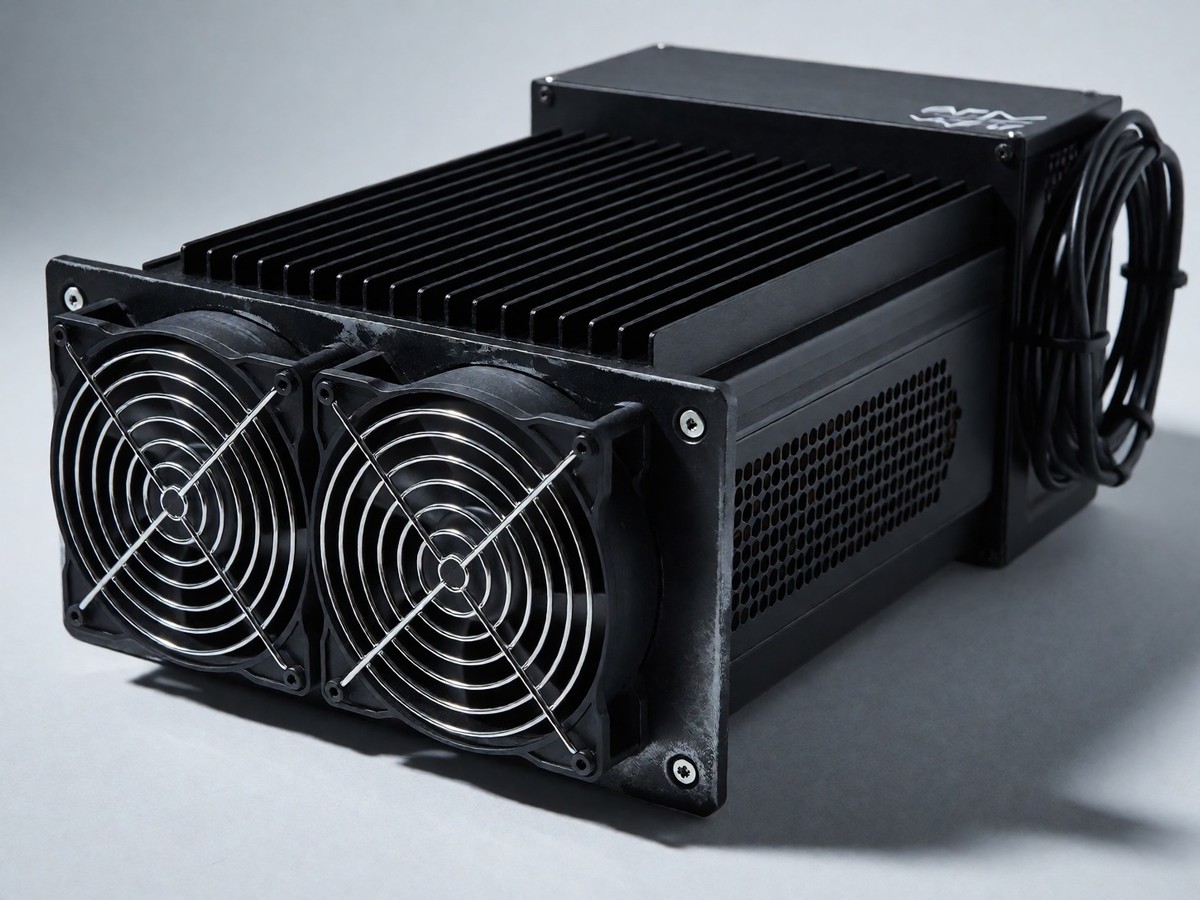
Bitmain changed the hardware standard with the Antminer S21 XP. This machine delivers 270 TH/s and uses 13.5 J/TH of electricity. The jump from the S19 XP Pro efficiency of 21.5 J/TH is extreme. The S21 XP requires a 240V/20A circuit and produces 3,645W of heat. You know that as machines get more powerful, they also get physically larger and more complex. The S21 XP uses the APW17 power supply to handle high current. This power supply handles 220 to 277V AC and provides 267A. Most residential electrical panels need an upgrade for this 3,645W continuous load. The 76 dB noise level makes home mining difficult. The S21 XP delivers 270 TH/s at 13.5 J/TH, and the 40% reduction in electricity costs compared to the S19 series makes the machine the best choice for fleet expansion. The gap between $0.06 and $0.12 per kWh costs over $1,900 per year on one machine, and I think this difference determines whether a mining operation survives difficulty increases or shuts down completely.
| Model | Hashrate | Efficiency | Power Draw |
|---|---|---|---|
| S21 XP | 270 TH/s | 13.5 J/TH | 3,645W |
| S21 Pro | 234-245 TH/s | 15 J/TH | 3,675W |
| S23 XP Hyd. | 600 TH/s | 8.9 J/TH | 5,340W |
The S21 XP delivers 270 TH/s with a 3% tolerance, which means real-world output ranges from 262 to 278 TH/s. This machine uses three internal hashboards with 91 BM1370 chips on each. This chip is more efficient than the BM1368 found in the standard S21. The machine operates between -20°C and 45°C. The 140mm fan size on the S21 XP requires different shrouds than the older 120mm models. I would skip the older 120mm models because the S21 series uses 140mm fans.
Profitability and pool concentration
Hashprice reached $39.63 per PH/s per day on September 6, 2026. This 22% monthly increase happened while the network hashrate stayed flat around 934 EH/s. I think the reliance on Bitcoin price for revenue makes the industry fragile. For the S21 XP, electricity rates below $0.08/kWh keep the machine profitable. If electricity costs hit $0.12/kWh, the margin disappears. In July 2026, the hashprice was only $29/PH/s/day. Canaan Technology reported a net loss of $97.6 million in Q2 2026. Their Q2 revenue plummeted nearly 70%. They ramped their own computing power to 10.05 EH/s to survive. They also slashed their electricity costs to $0.043 per kWh. I believe the hardware market remains volatile for those who cannot secure cheap energy. I see that the difficulty at block 968,910 is 132.76T, which is a 4.16% increase from the previous epoch. The S23 XP Hyd flagship, which ships in November, delivers 600 TH/s at 8.9 J/TH. I think this changes the math for air-cooled fleets entirely. The S23e U2H, a 2U rack chassis model with 865 TH/s, shows the industry move toward rack density.
The concentration of power in pools like Foundry USA and AntPool remains a concern. Foundry USA controls about 30-35% of the hashrate, while AntPool controls 18-25%. I think the top five pools control over 70% of all block production. This concentration gives pool operators control over block templates. I see that several pools, including Binance Pool and ViaBTC, use block templates identical to AntPool’s. Can the current hashrate surge maintain these margins if difficulty keeps rising?