 Bitcoin News
El Salvador’s Bitcoin treasury and the volcano pivot

The digital vault expands
El Salvador holds 7,762.37 Bitcoins in its official reserves as of September 2026. This stash carries a value of $602.84 million. The government maintains its daily accumulation strategy by purchasing one Bitcoin every single day, which builds a massive digital vault intended to provide the nation with significant and lasting financial leverage during future negotiations with various major international lenders across the globe. This approach works because the administration treats the asset as a shield rather than daily cash. The treasury holds $167.82 million in unrealized profit. This profit exists because the administration bought coins at an average price of $45,200 while the current value sits near $74,000 per coin. A single transaction in November 2025 worth $100.42 million further bolstered these reserves. The total amount of Bitcoin held by the government sits near 7,606 coins according to recent treasury trackers, though other reports suggest slightly higher totals. I find the steady accumulation of these coins through the Oficina Nacional del Bitcoin more impressive than the wild price swings seen in previous years. The country currently sits as the 5th largest state holder of Bitcoin globally.
| Metric | Specification |
|---|---|
| Total Bitcoin Holdings | 7,762.37 BTC |
| Current Valuation | $602.84 million |
| Unrealized Profit | $167.82 million |
| Daily Purchase Rate | 1 BTC |
| Global Reserve Rank | 5th |
The IMF deal and new rules
The $1.2 billion volcano bond refinancing changed the state’s financial standing after the 2024 IMF agreement terms. This massive move provides the capital necessary to manage national obligations without relying on standard markets. The $1.4 billion IMF deal made Bitcoin acceptance voluntary. The government abandoned the rule that forced businesses to accept the cryptocurrency after officials dropped Article 7. This shift occurred after the IMF concluded that the country’s public debt sat on an unsustainable path. You should know that the Chivo wallet no longer functions as it once did. Most people still use regular money for more than nine out of ten everyday payments. The IMF deal requires that government money stays clear of risky bets like DeFi farming. Speculation using state resources remains forbidden under these strict boundaries. The main ledgers must still speak US dollars to satisfy international regulators. I see the transition from mandatory adoption to a strategic reserve as a pragmatic move for the administration. This compromise eased tensions between authorities and the private sector. However, the abandonment of the Chivo system leaves many rural users without easy digital access.
Volcanic power fuels the city
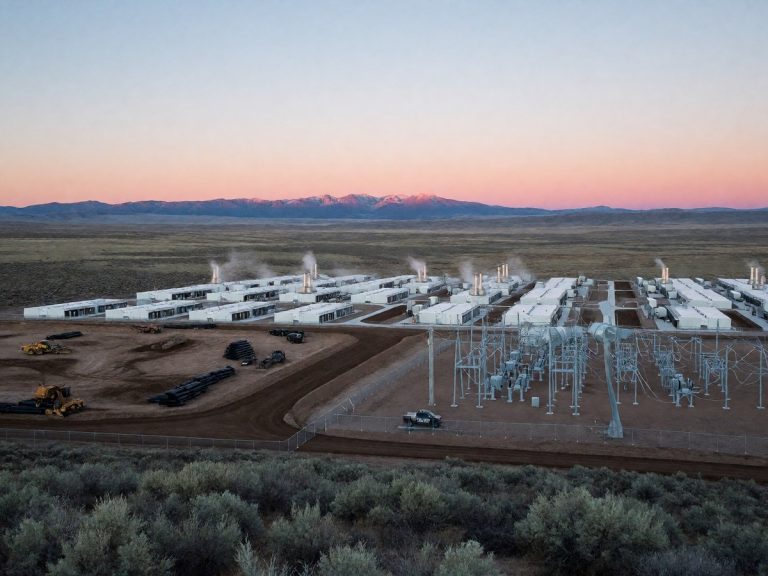
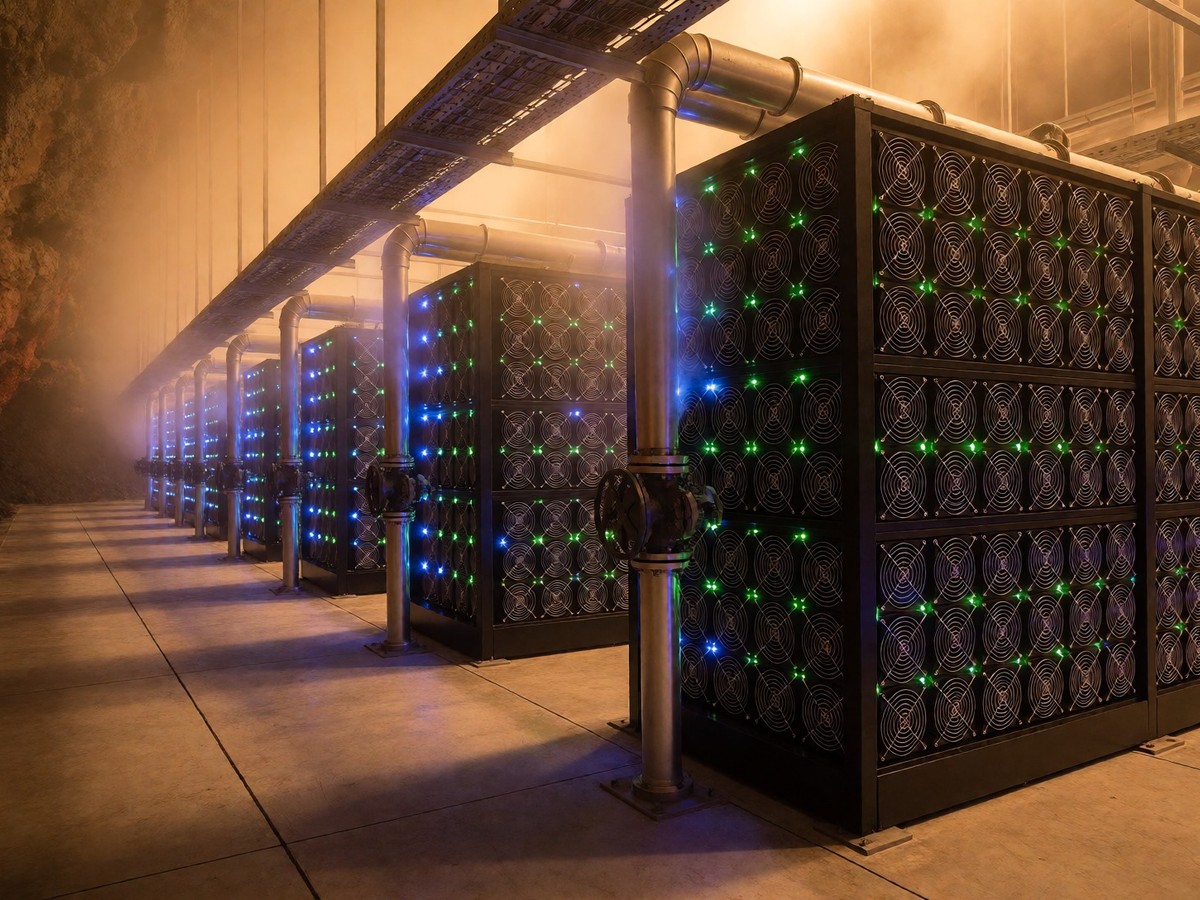
Bitcoin City sits at the base of the Conchagua volcano in the La Union department. This project uses geothermal heat to power mining rigs. Machines hum deep inside the crater where steam rises. Since operations began, public accounts hold 474 Bitcoins from this volcanic energy. The city promises zero income tax for companies that move their computing hubs there. This move draws tech talent to San Salvador. The government uses volcanic heat to keep machines at safe temperatures while using breezes from nearby peaks for cooling. This setup makes local facilities cheaper than many American server farms. I find the use of natural geothermal resources to fuel digital progress highly efficient. The administration also offers zero income tax for any artificial intelligence company willing to shift its computing hubs to the region. Why does the government still focus so heavily on Bitcoin when the local economy relies so much on the US dollar? In places like El Zonte, tourism numbers jumped past 40 percent compared to last year as visitors spend Bitcoin at surf shops and beachside grills. The village runs on code and waves.